A journey through the Souk of Aleppo
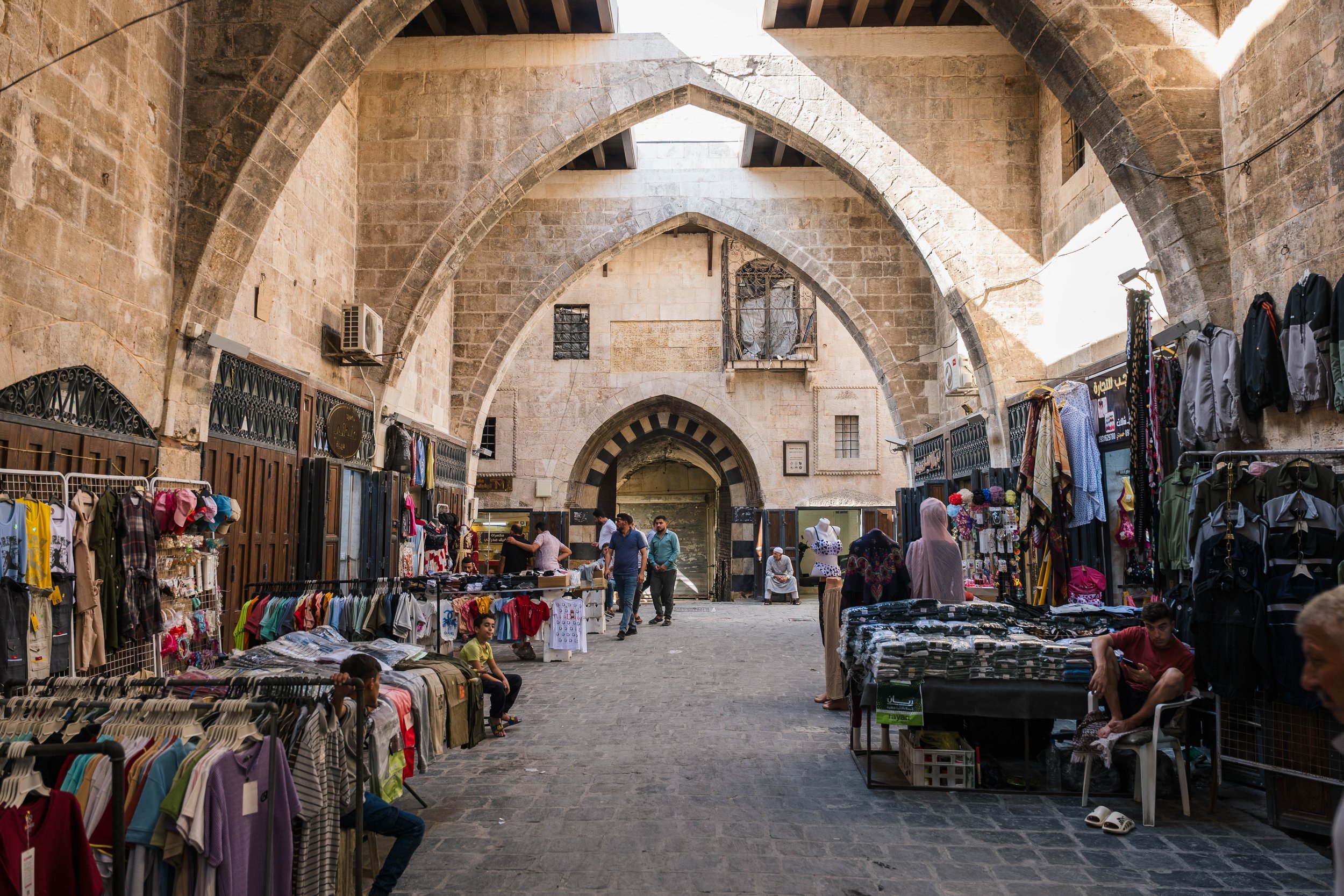
In August 2025, I visited Aleppo with my good friend and collaborator Harry Johnstone to work on a story about the restoration of Aleppo’s ancient souk and how these efforts are working to breath new economic life into this shattered city.
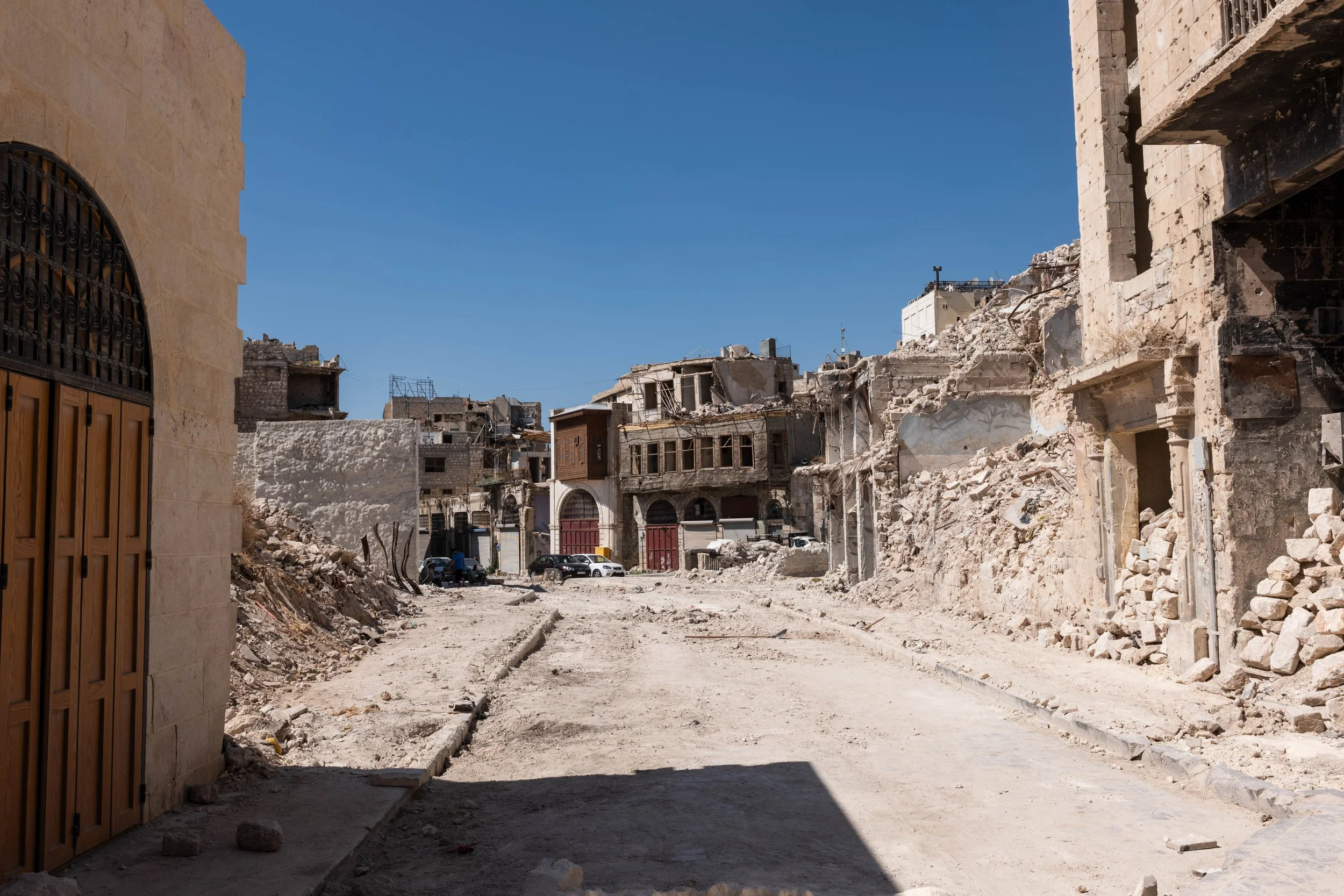
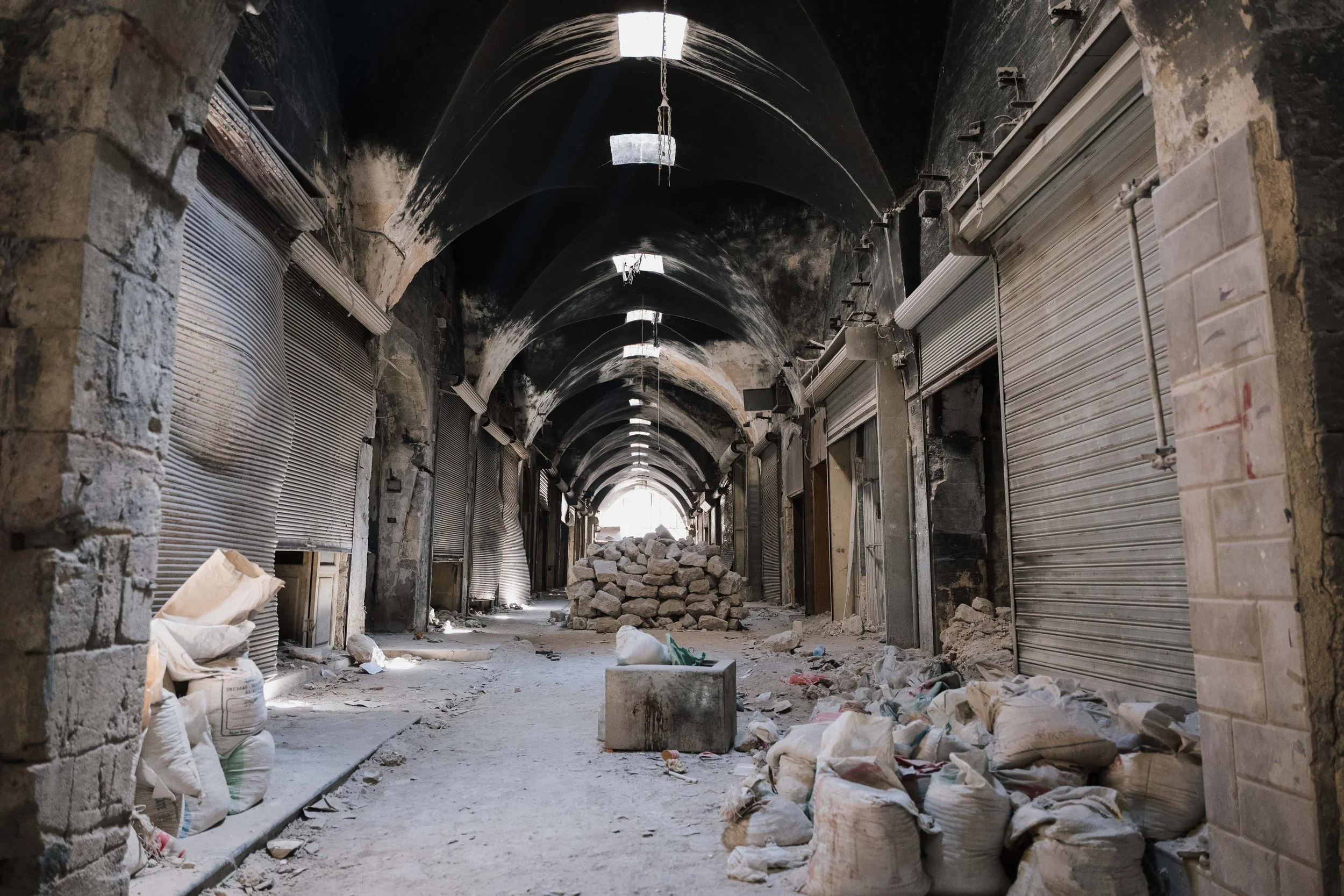
The area in and around the souk and citadel experienced intense fighting during Syria’s near 14 year civil war and the impact is only too obvious to see. Whole streets and courtyards reduced to rubble. Buildings scarred by thousands of bullet holes and shrapnel marks. A ravaged and exhausted populace. Large swathes of Aleppo were destroyed in the fighting, a situation made worse following the 2023 earthquakes.
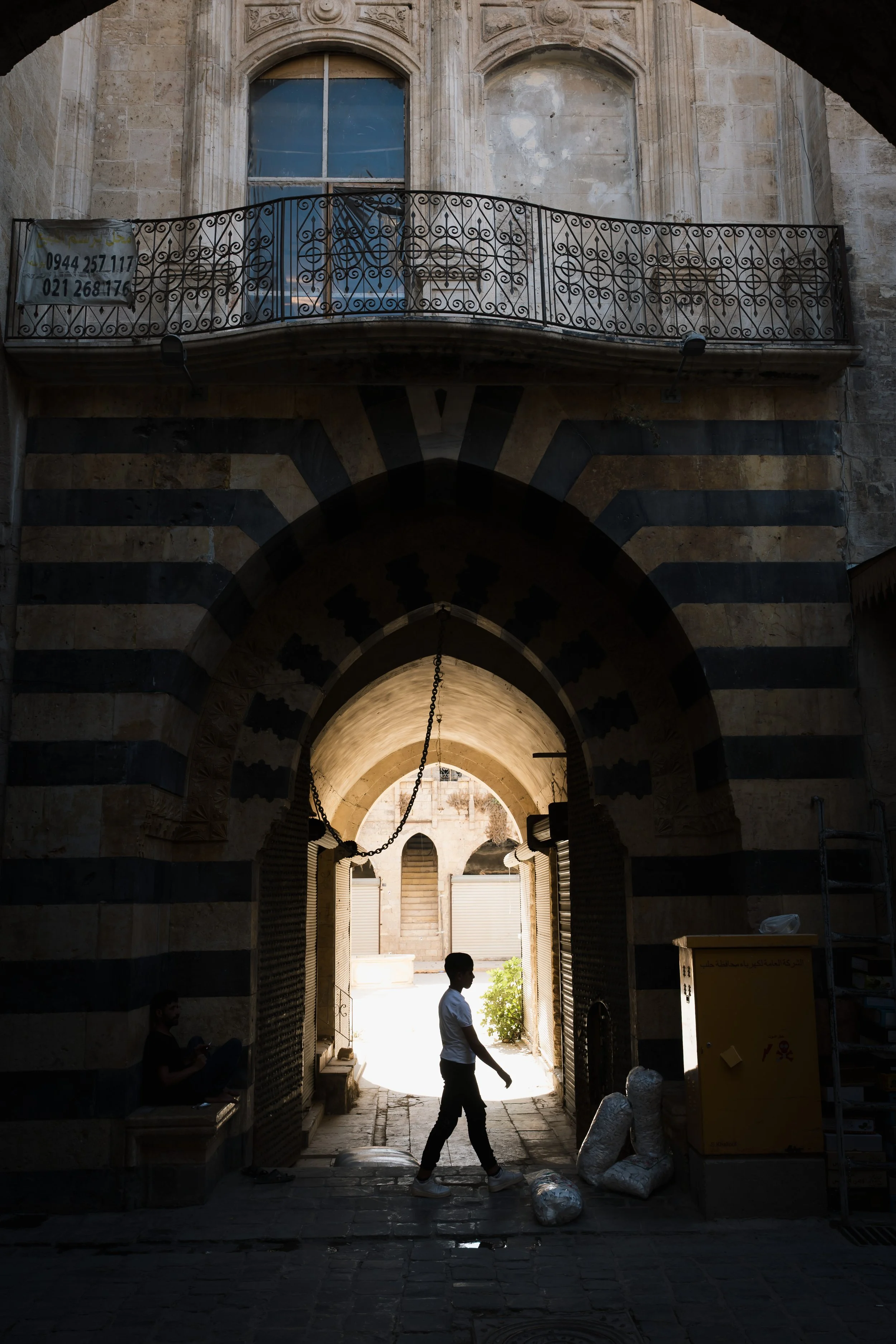
But some green shoots are visible. Parts of the souk have been restored by the Aga Khan Trust for Culture among others in an effort to return the souk to its former glory and offer an economic lifeline to its storied shopkeepers. While some have returned, the souk is a far cry from its pre-war heyday when, according to one shopkeeper, it was so full that people would have to squeeze past each other and it would take an hour to walk a few hundred metres. Back then, we were told, shopkeepers would sell half the products by midday. Now it takes months to sell the same amount.
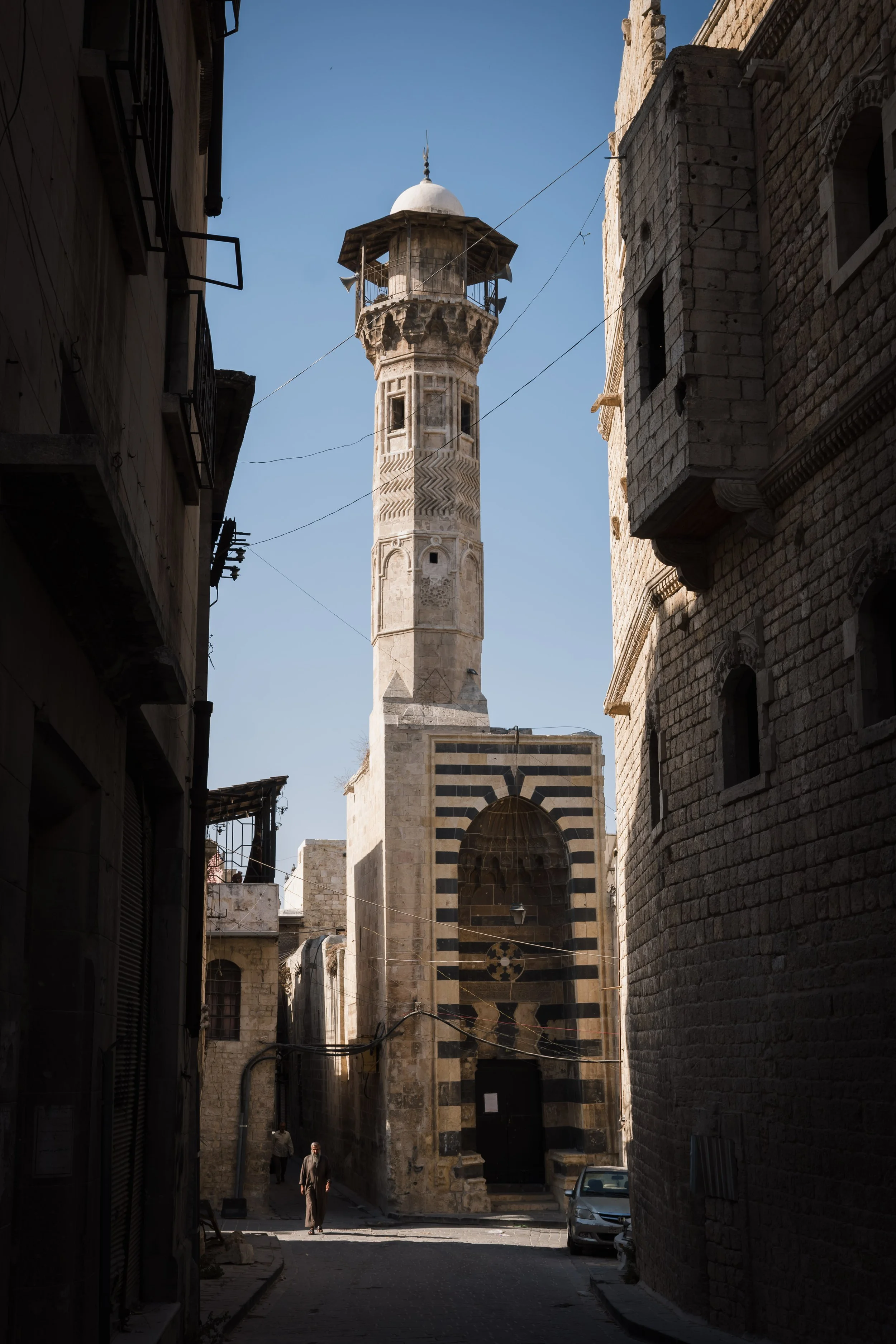
Dating back to the 12th century, most of the current structures were built during the Mamluk and Ottoman periods (14th-16th centuries). The souk was a major centre of Silk Road trade where you could find, among other goods, Persian silks, Indian spices and the famous Aleppian soap which is still being produced at scale today (more details below).
European merchants established consulates and warehouses nearby due to the souk’s commercial importance. Indeed, there are several buildings connected to the Marcopoli family touching distance from the souk. At 13km in length, it is the longest covered market in the world and a UNESCO World Heritage site.
The hope is that if Syria can stabilise politically and economically, wealthy Syrians will return to the country as will tourists and the souk will breathe life into Aleppo once again.
The following photos and videos show areas of the souk which have been destroyed; areas that are under restoration and have been restored; shops and street life; the Jebeli soap factory (one of Aleppo’s largest); the hammam and some of the culinary treats available. I hope you enjoy this journey through Aleppo’s souk.
If you would like to read Harry Johnstone’s evocative article about the souk, you can find it here.
Destruction
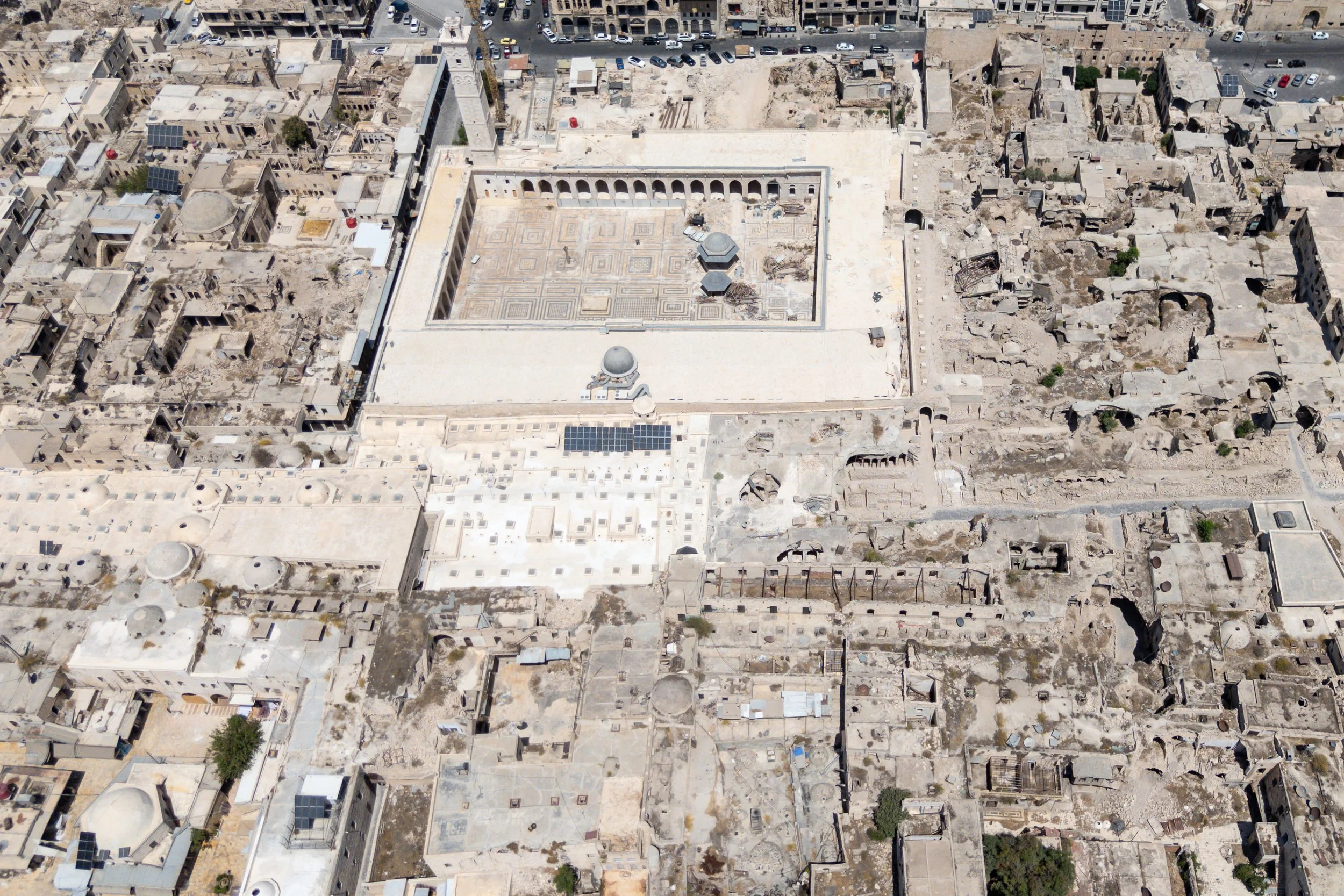
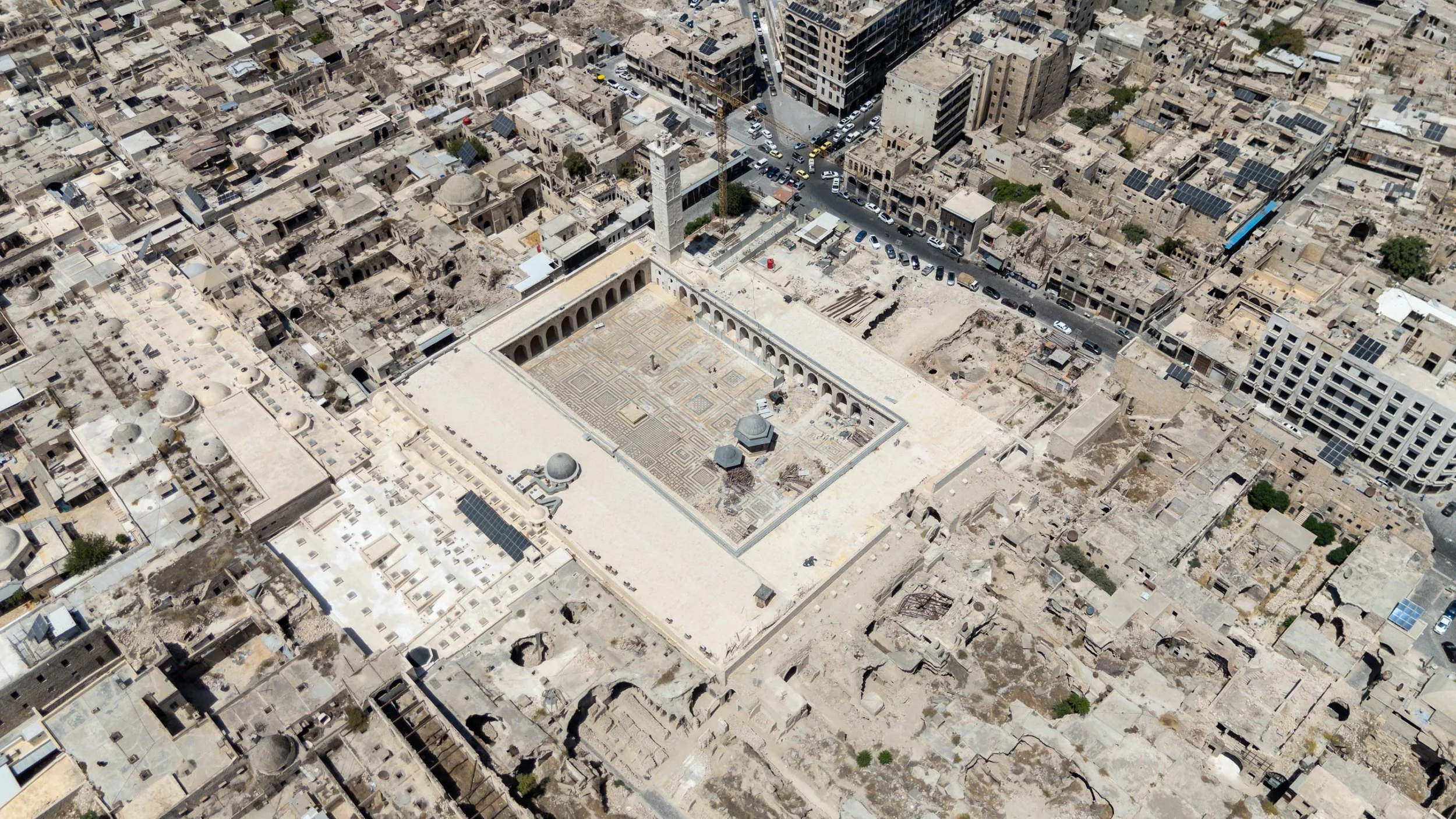
After nearly 14 years of civil war and following the powerful 2023 earthquake that hit Turkey and Syria, the souk in Aleppo has experienced widespread destruction. Some sections are charred and burnt, others are battered and only just remain standing and all that remains of other sections are piles of rubble. During the devastating conflict in Syria, opposition fighters hit in the labyrinthine streets of the souk. The military bombed the area indiscriminately in an attempt to wipe them out. In the process, large swathes of Aleppian mercantile history was lost forever.
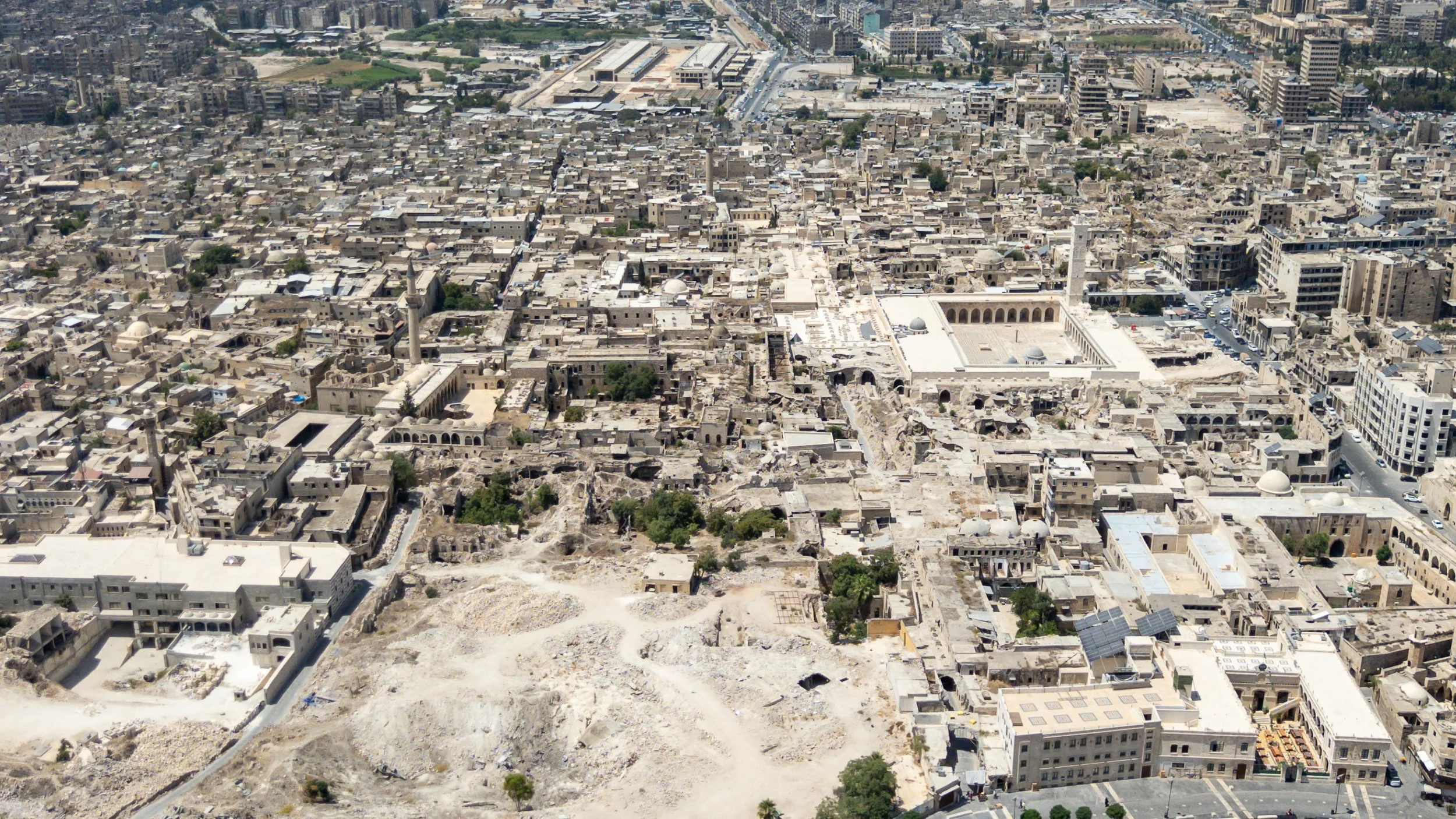
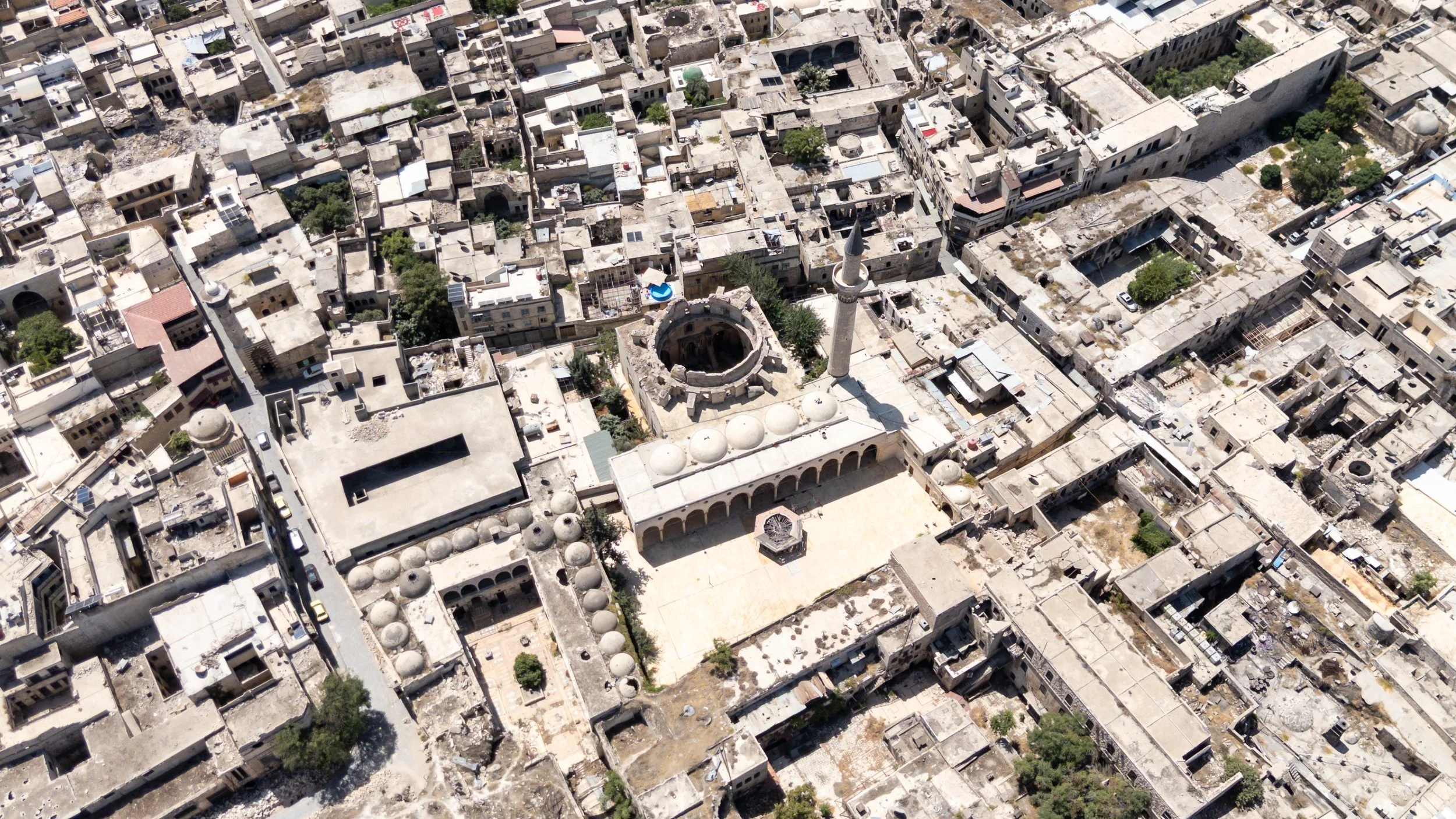
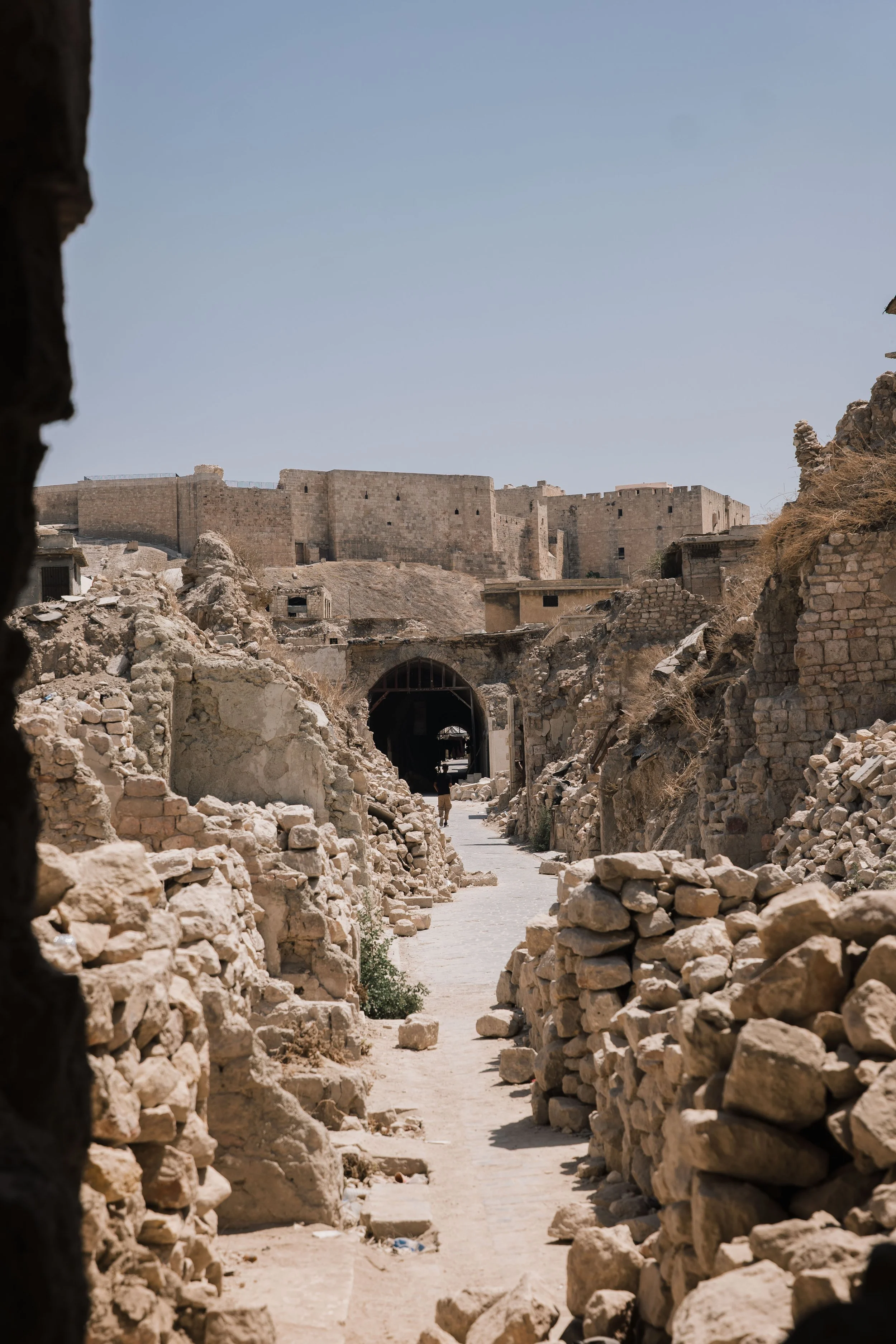
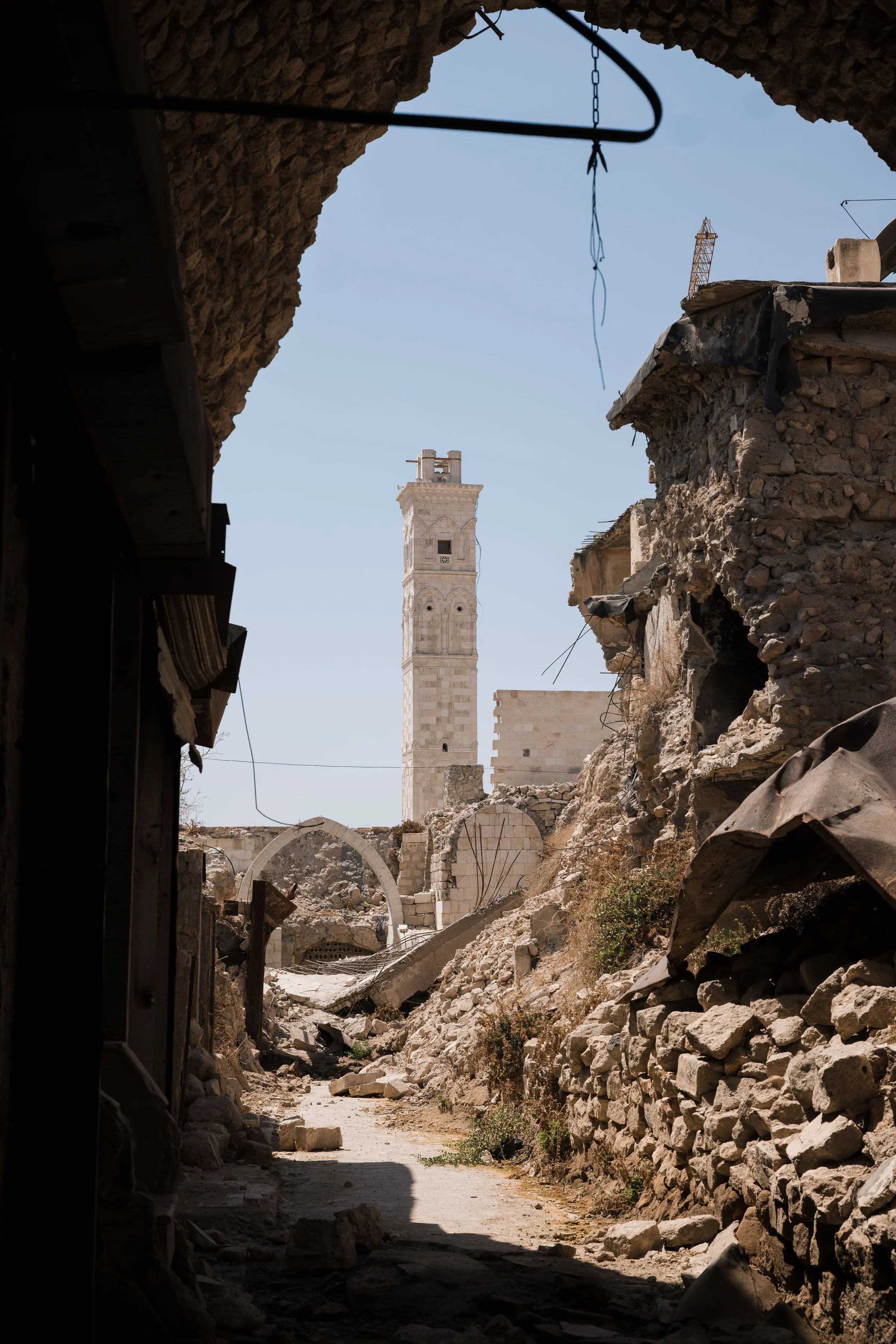
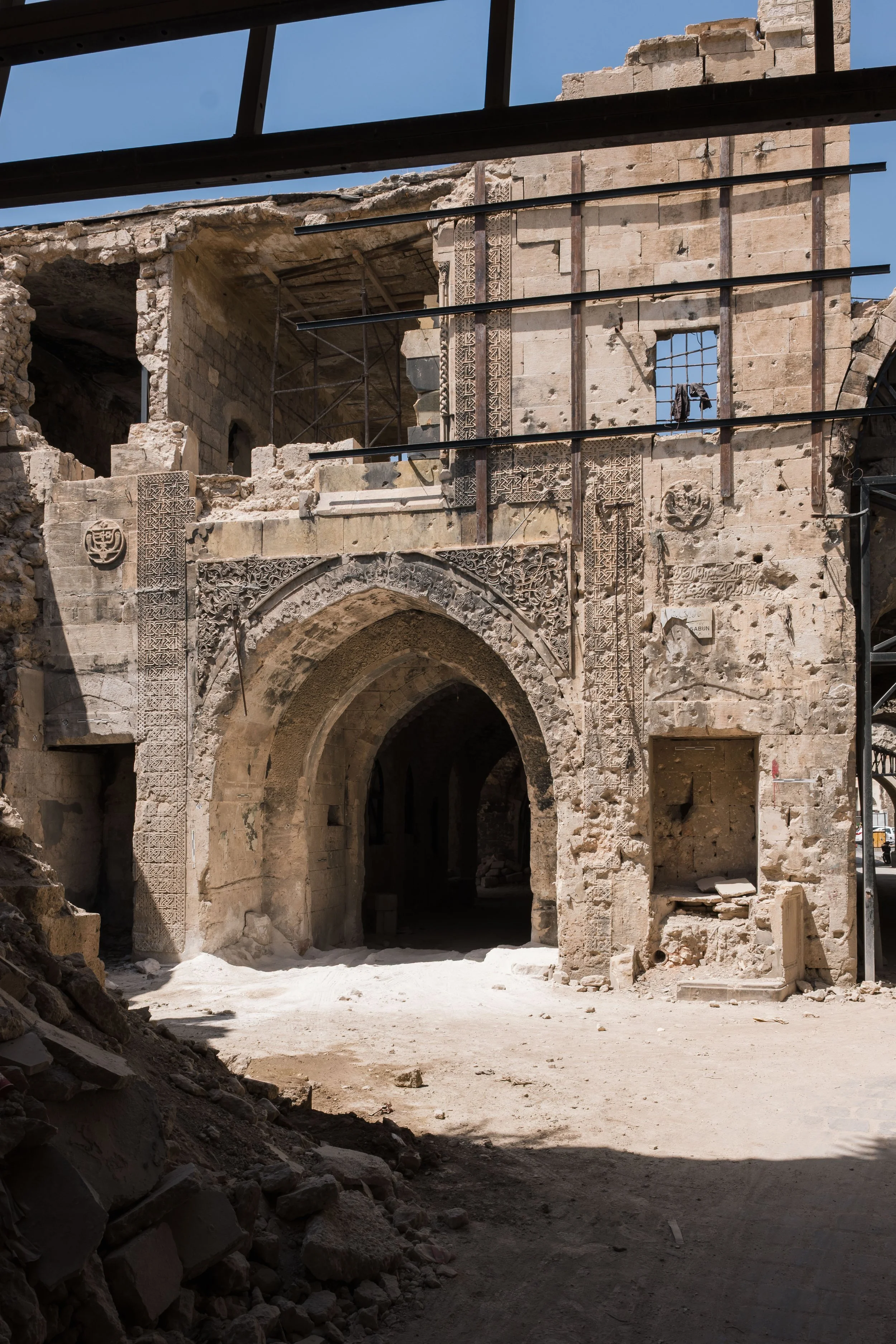
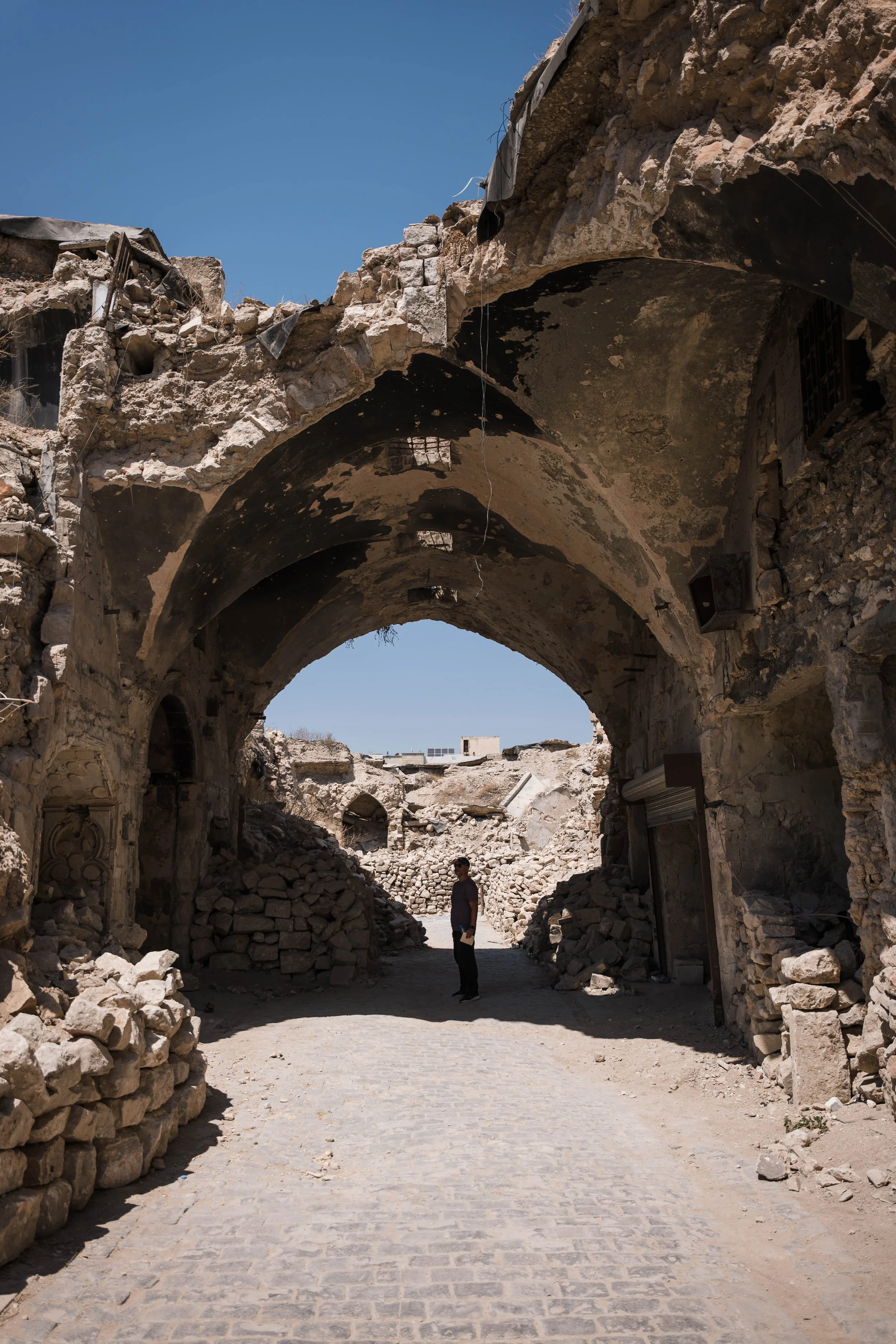
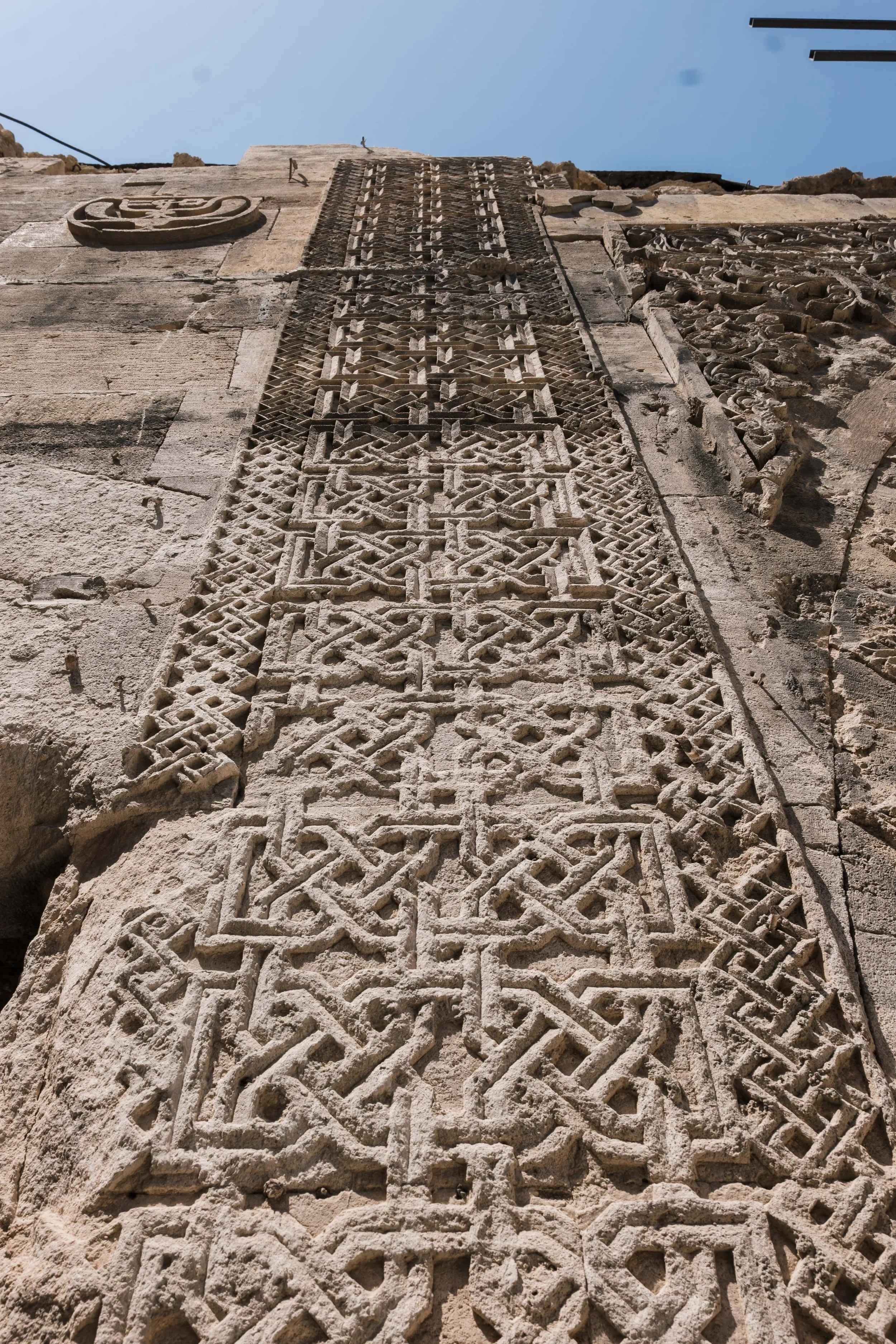
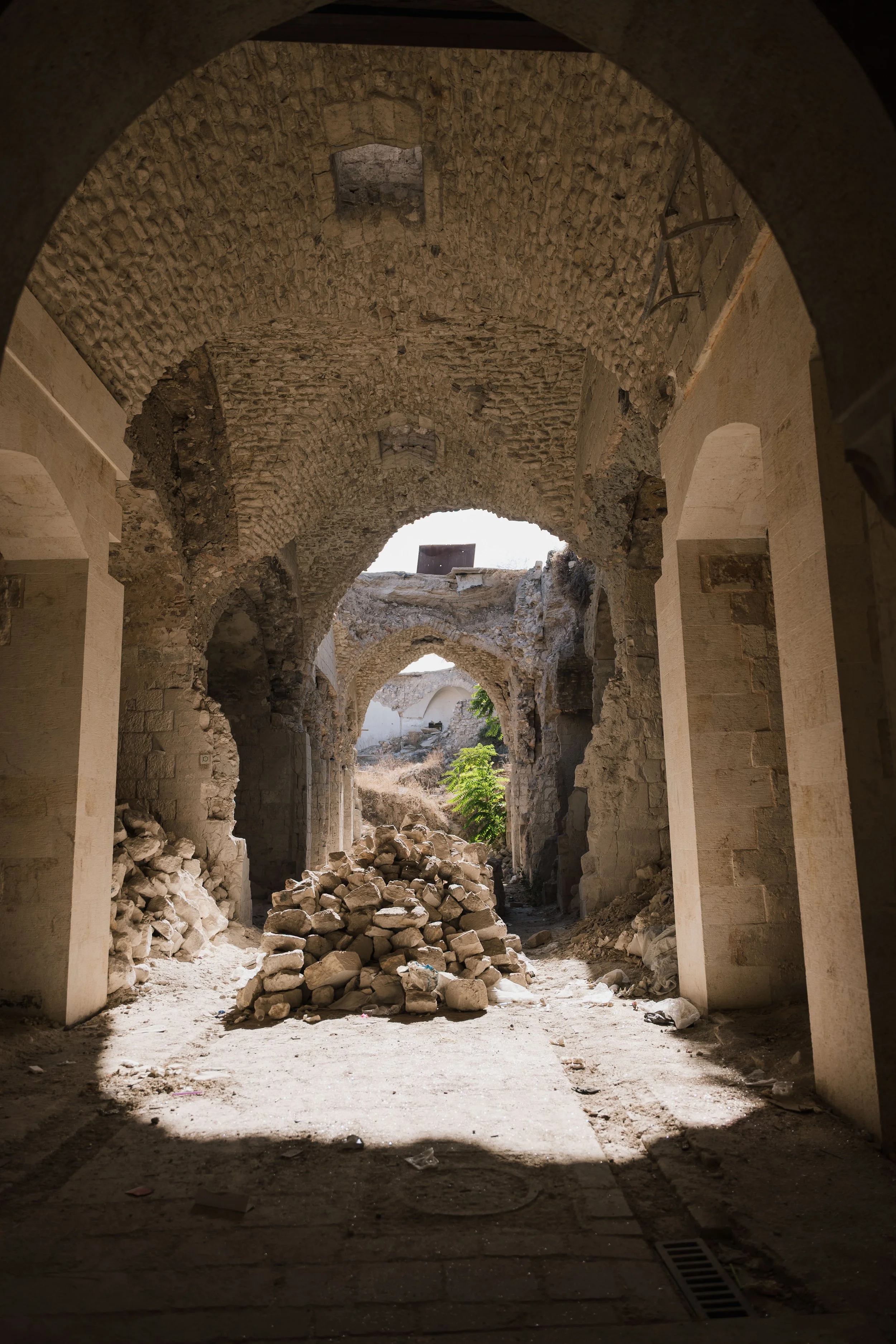
A flyover from the Citadel showing some of the destroyed areas of the souk and, towards the end, some restored areas
Restoration
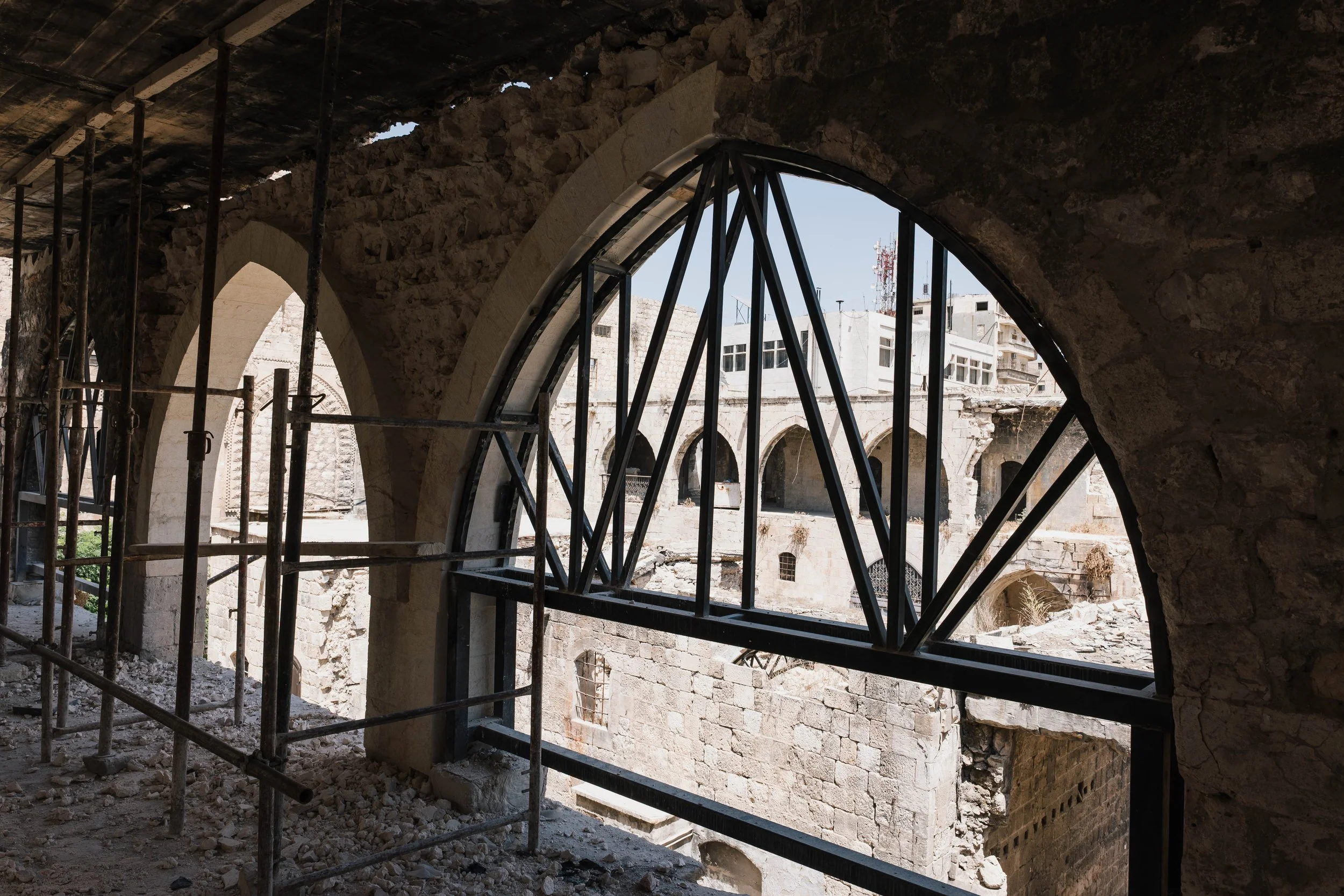
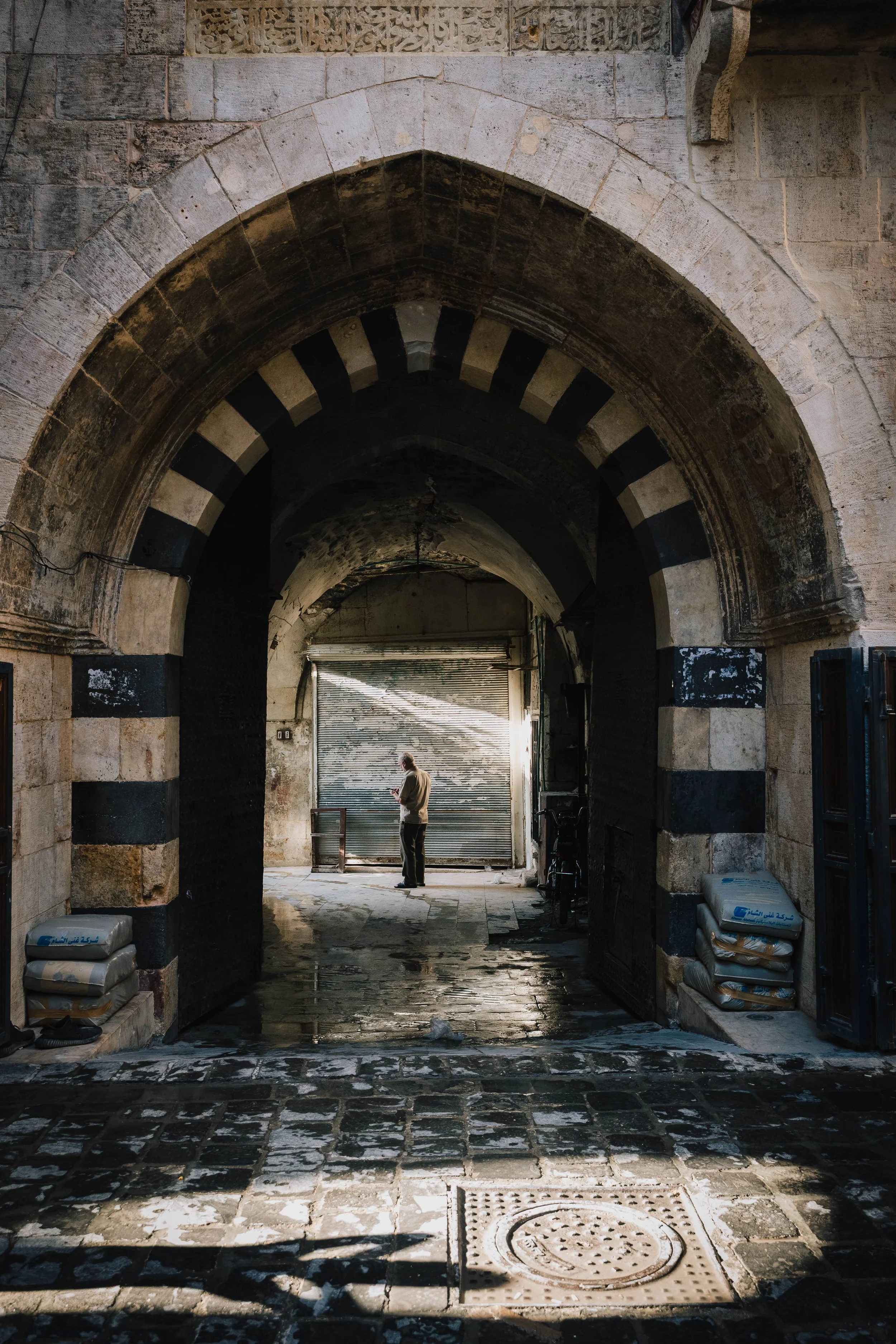
In spite of the widespread destruction, Aleppo’s souk is slowly being restored. Restoration experts from the Aga Khan Trust for Culture (AKTC) working alongside skilled craftsmen and women, are bringing the souk back from the brink. AKTC have completed the restoration of eight key sections of the souk since 2018. This has resulted in 277 shops being retuned to their owners and the rehabilitation of over 500 metres of passageways covering a 5,480 m² area. In the souk area, AKTC have also implemented the emergency stabilisation of six historic monuments following the 2023 earthquakes with the support of the ALIPH Foundation.
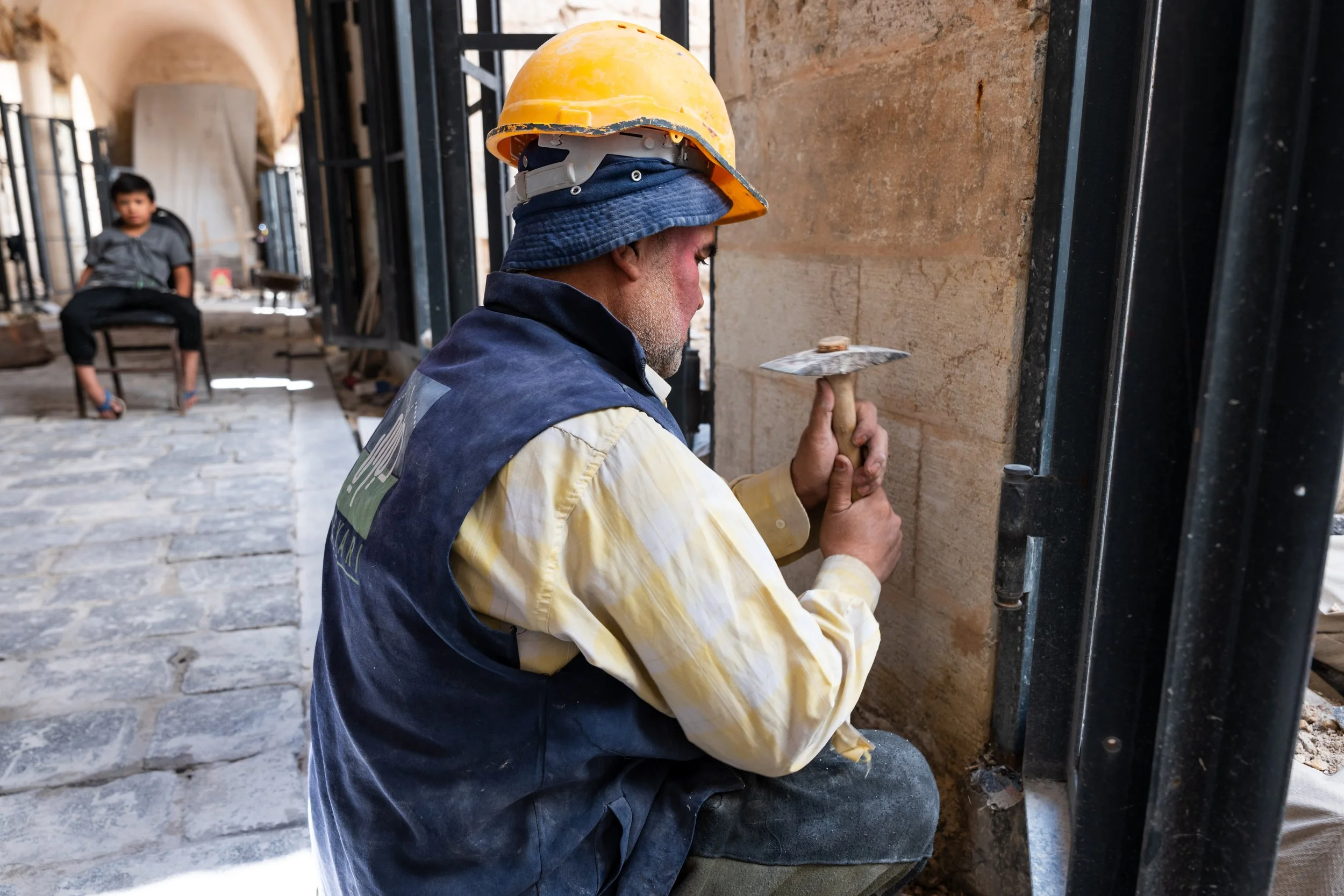
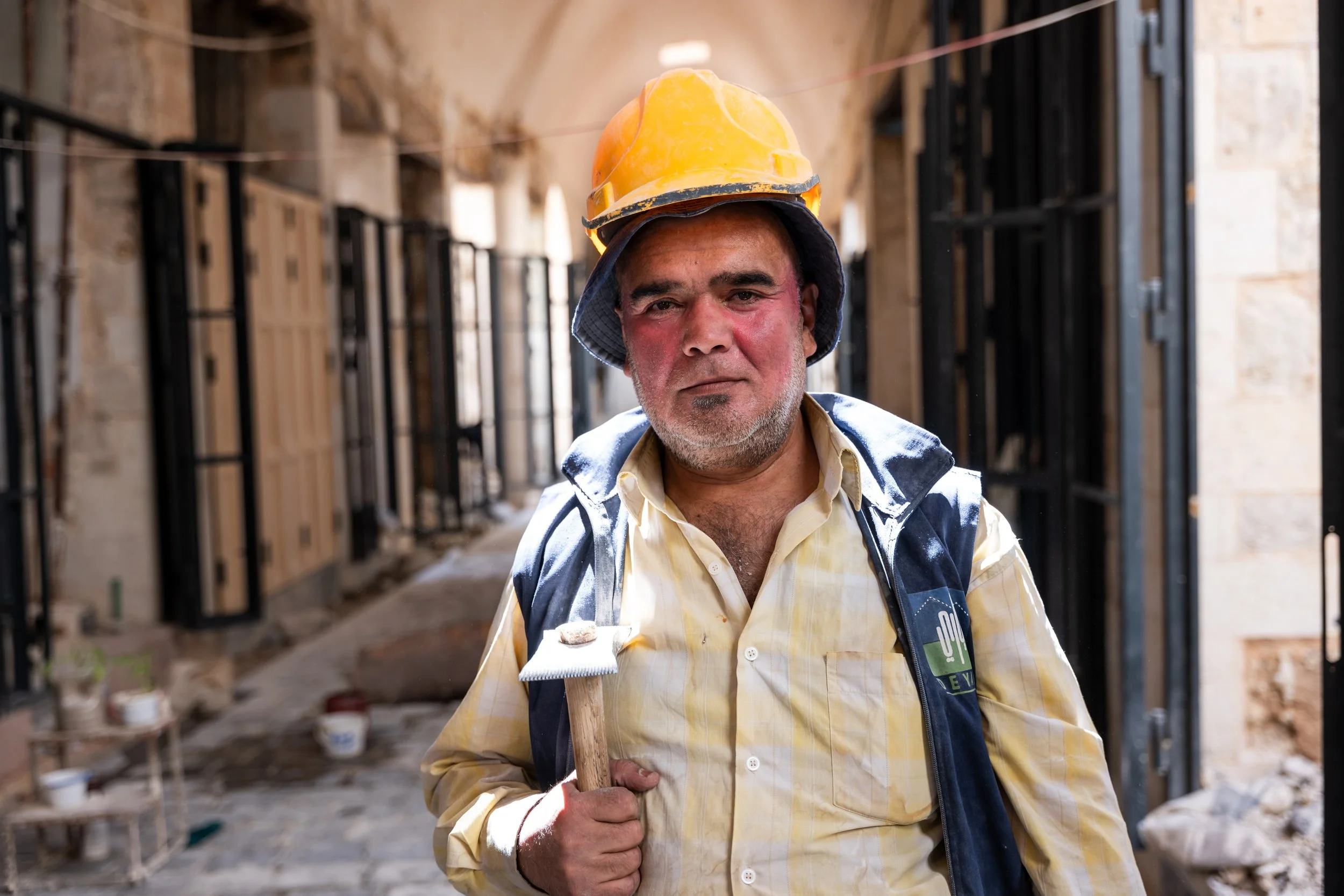
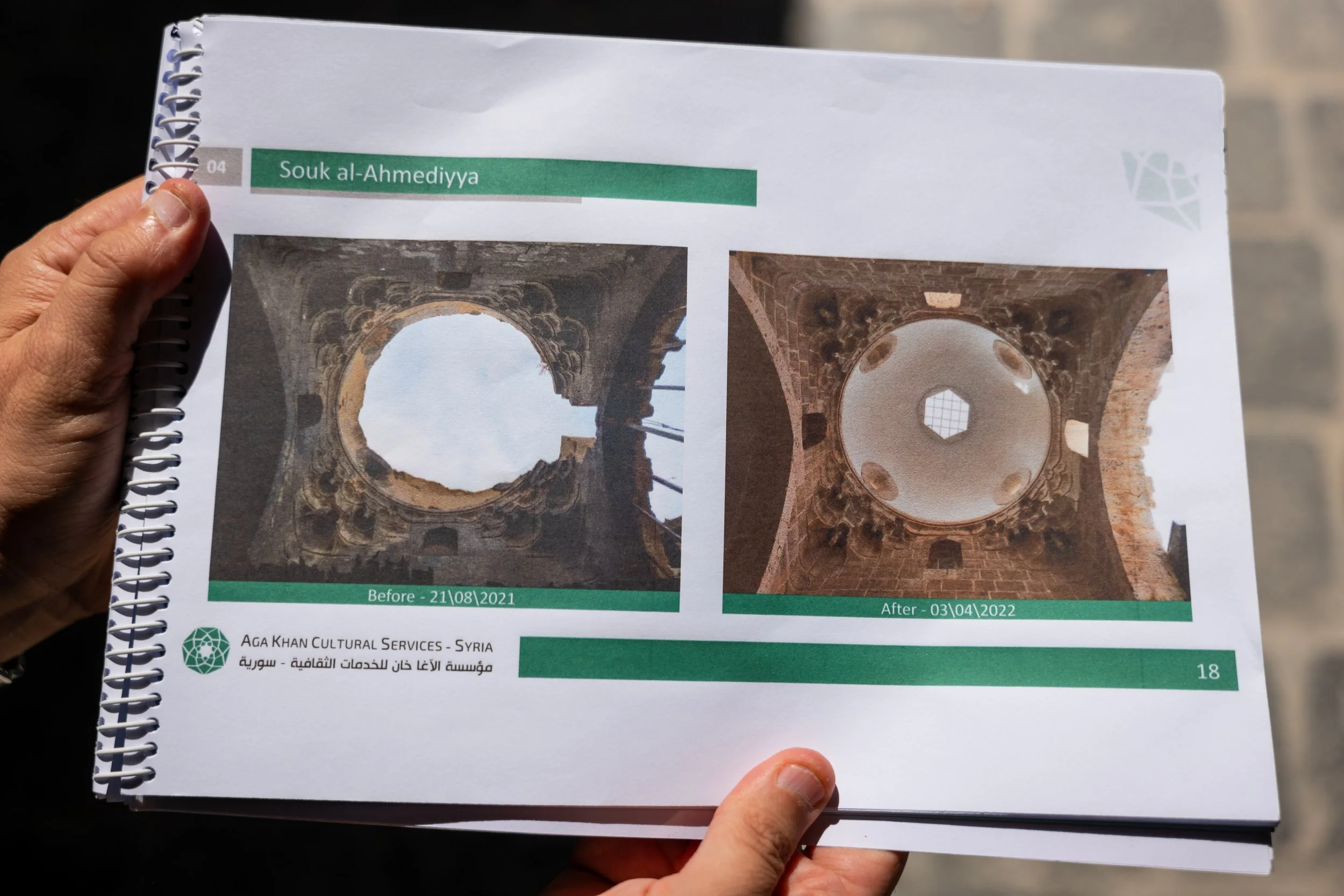
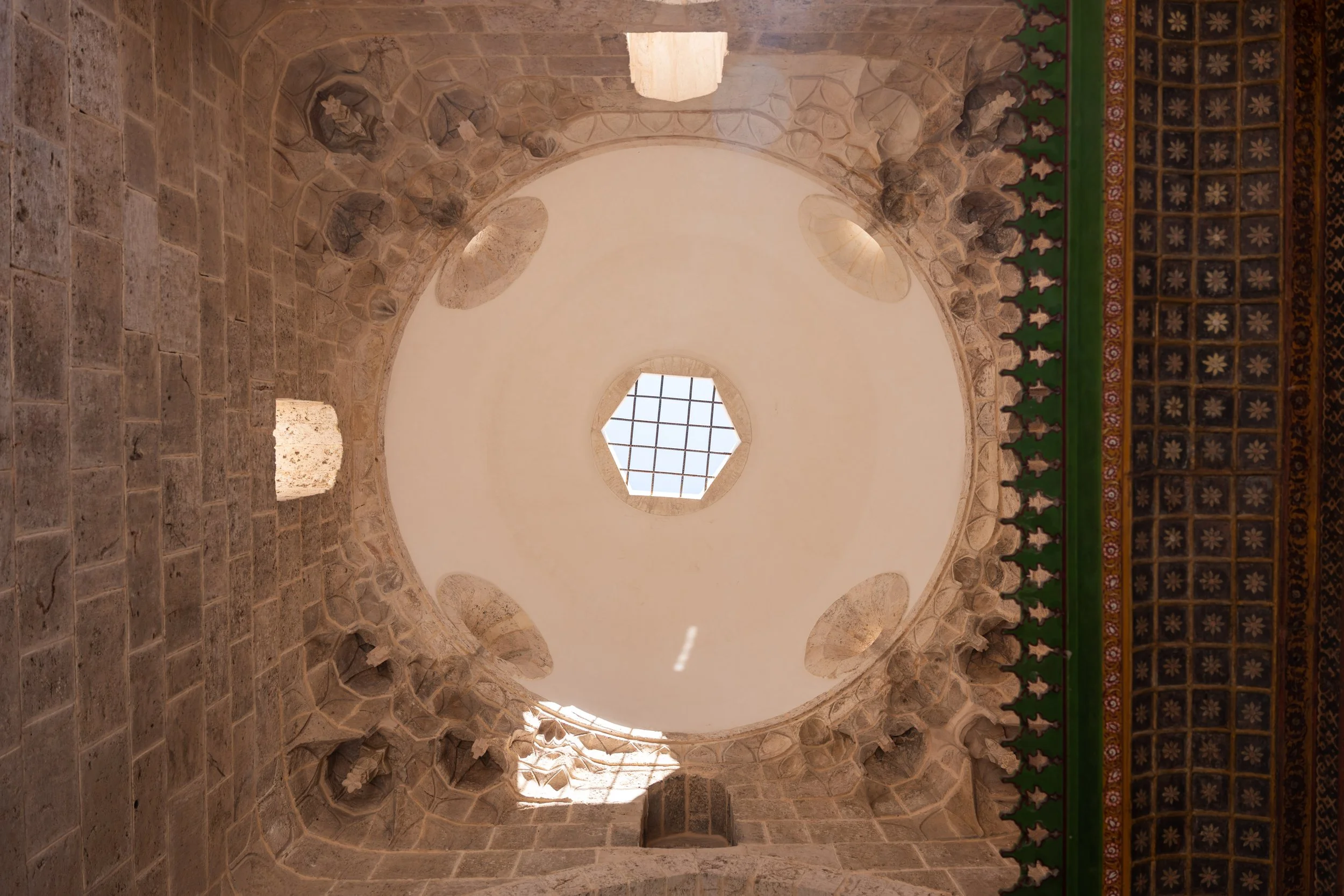
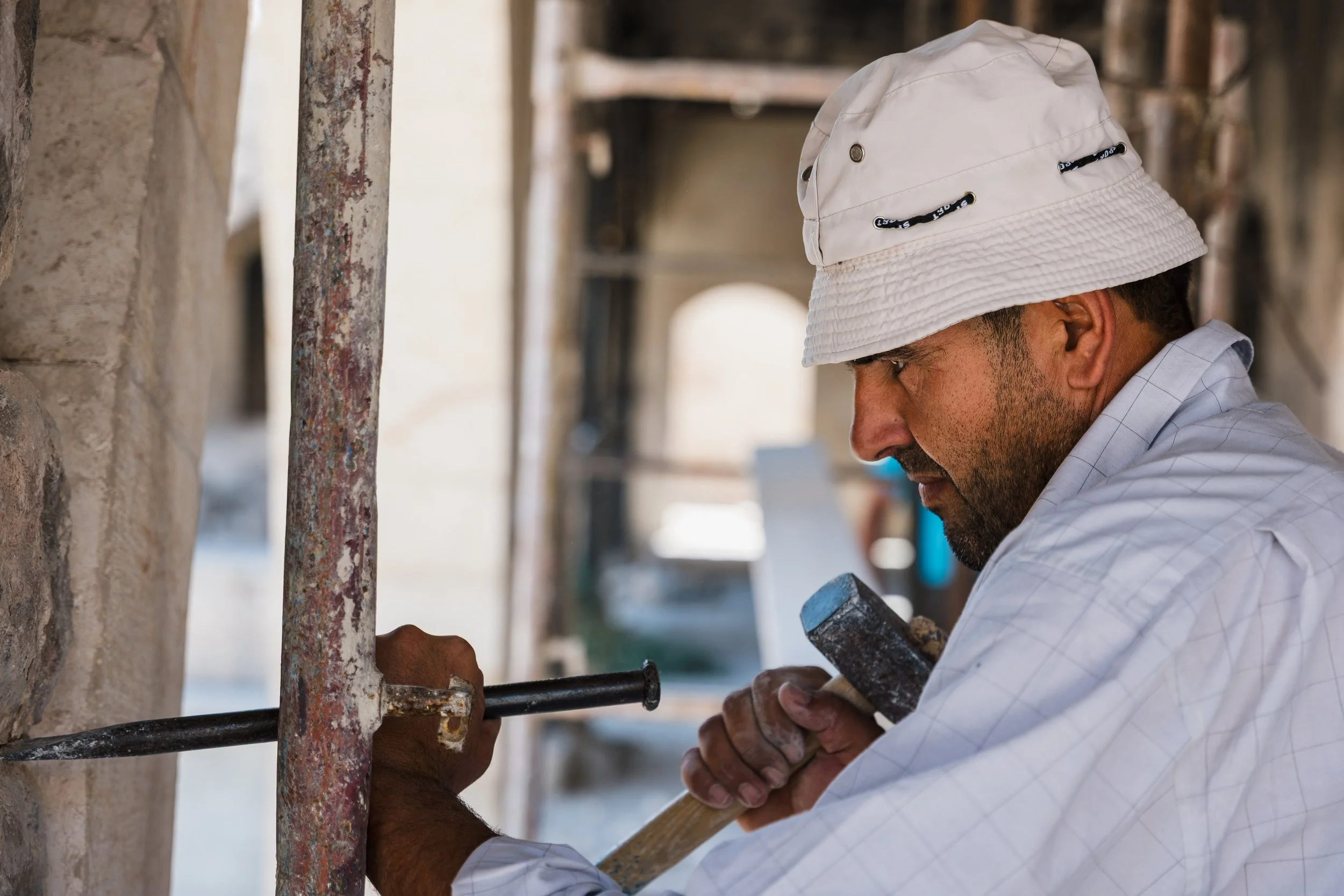
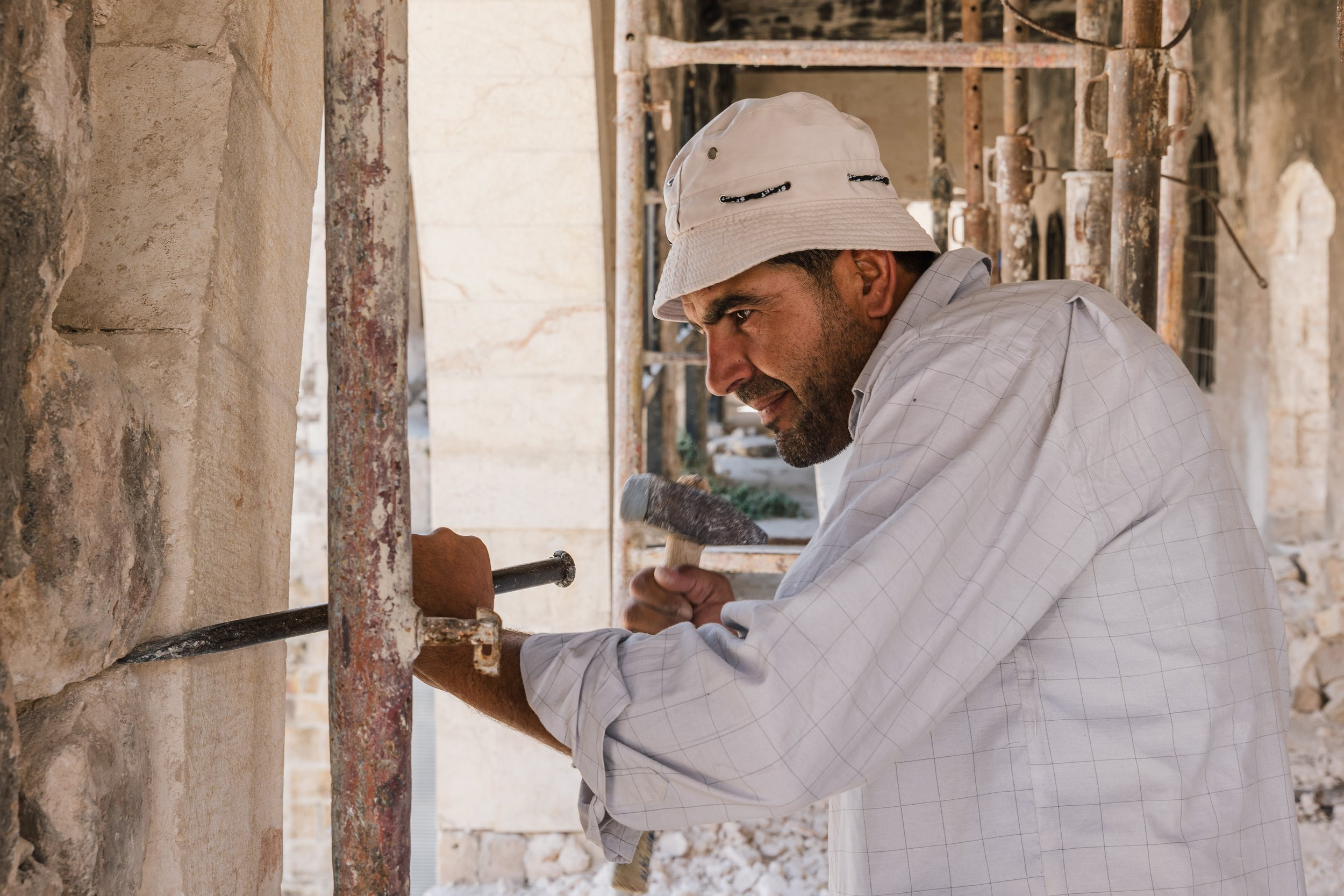
“Through this work, I am connecting with the masons of the past.”
Ali Hamedi, stonemason
Shops and street life
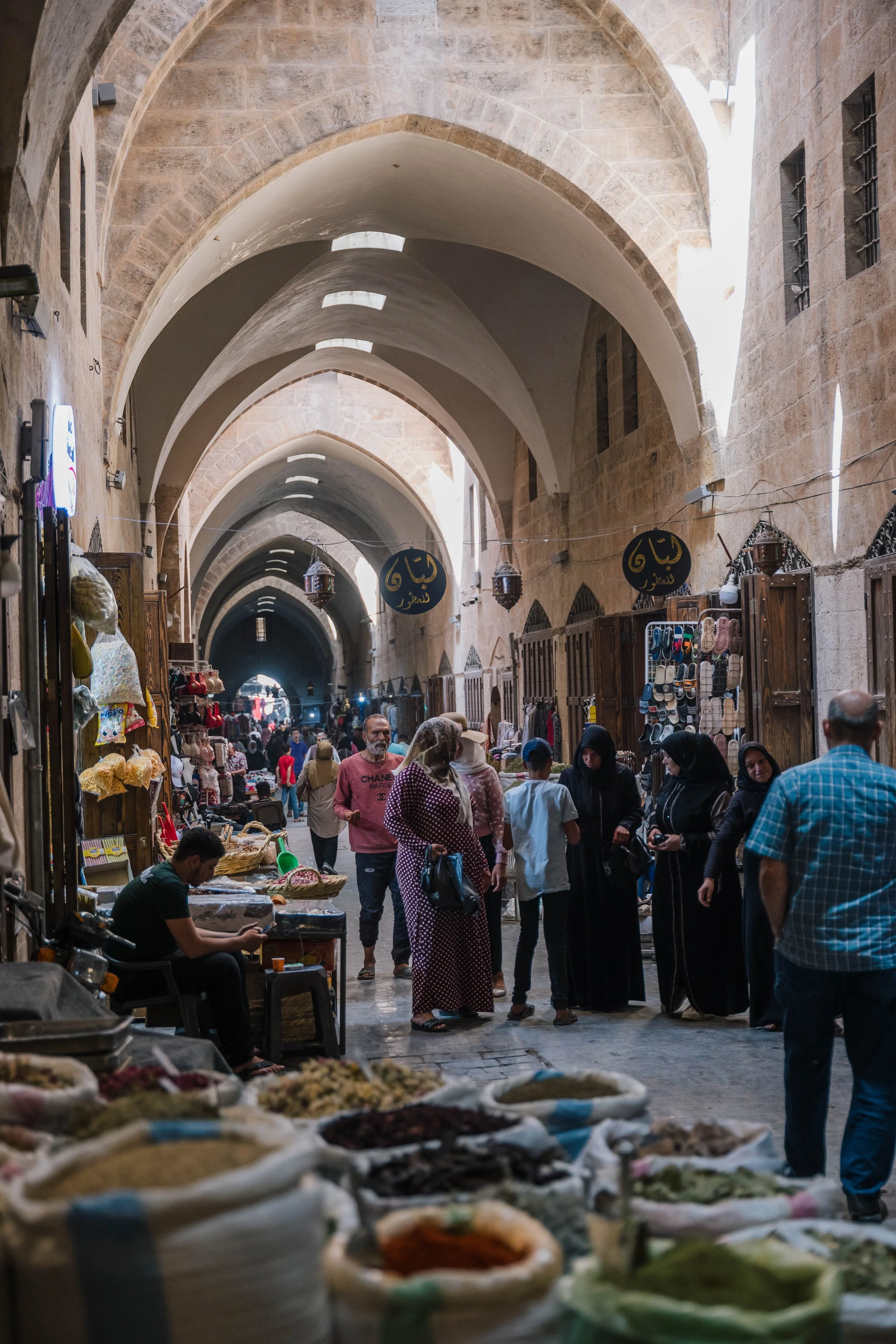
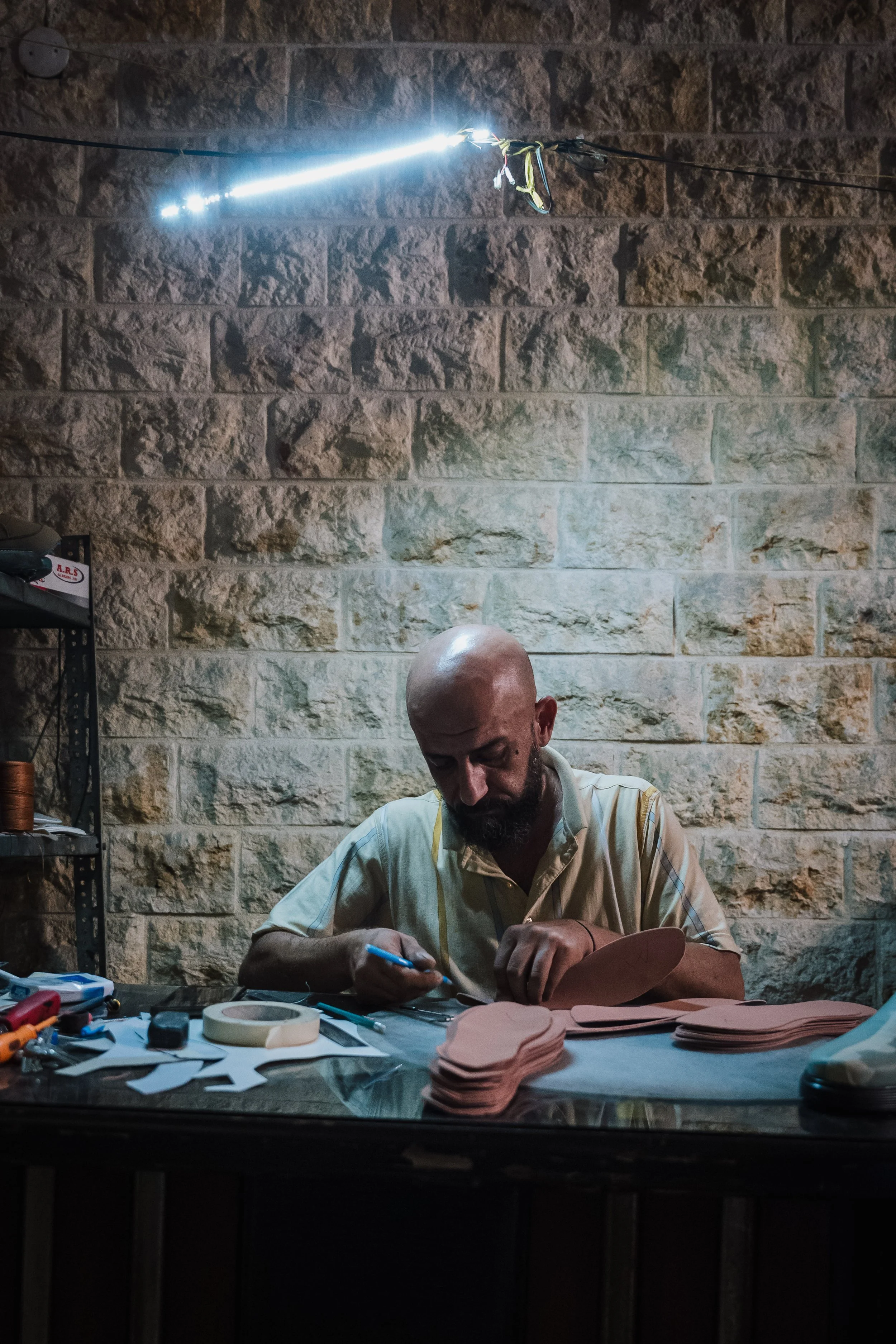
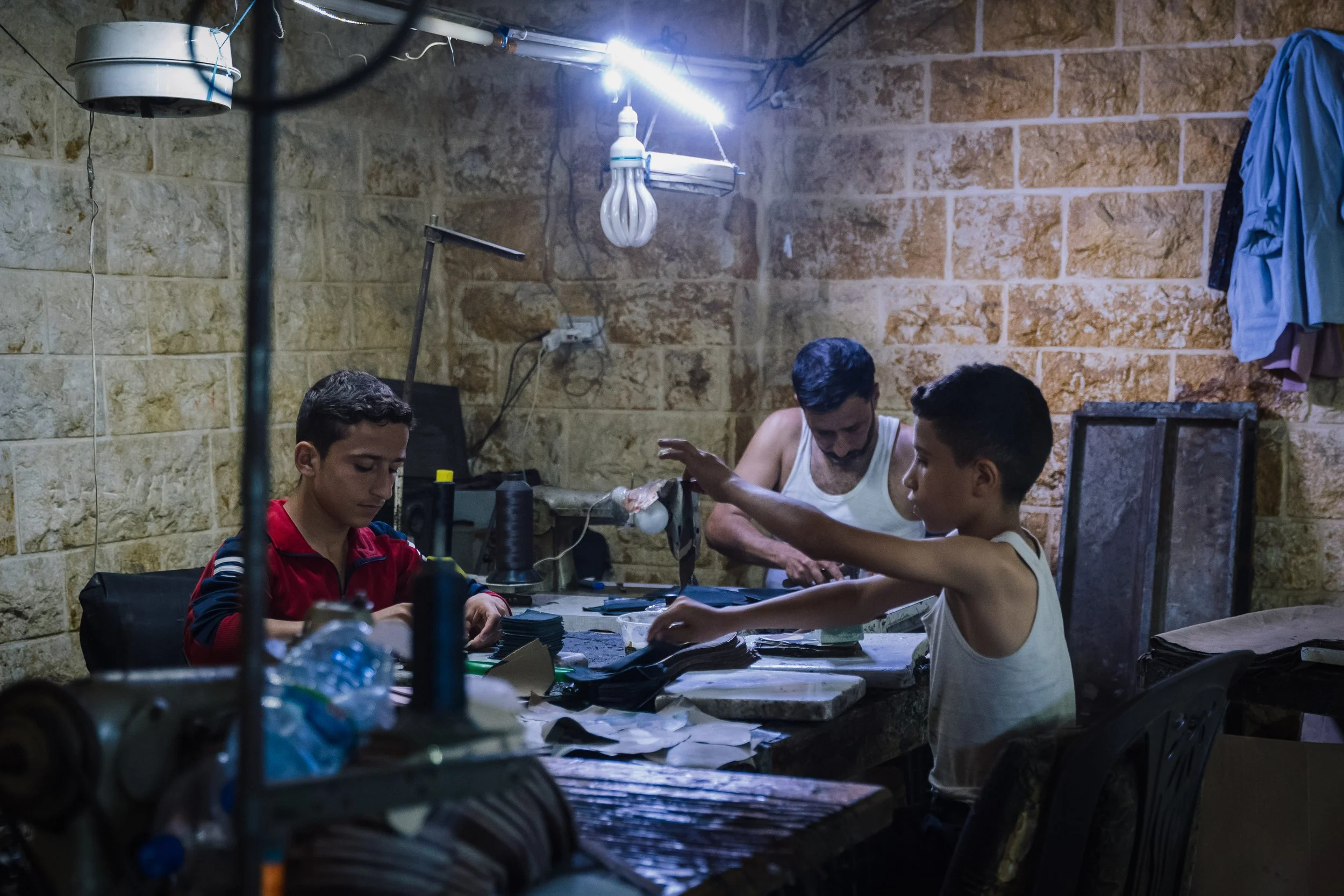
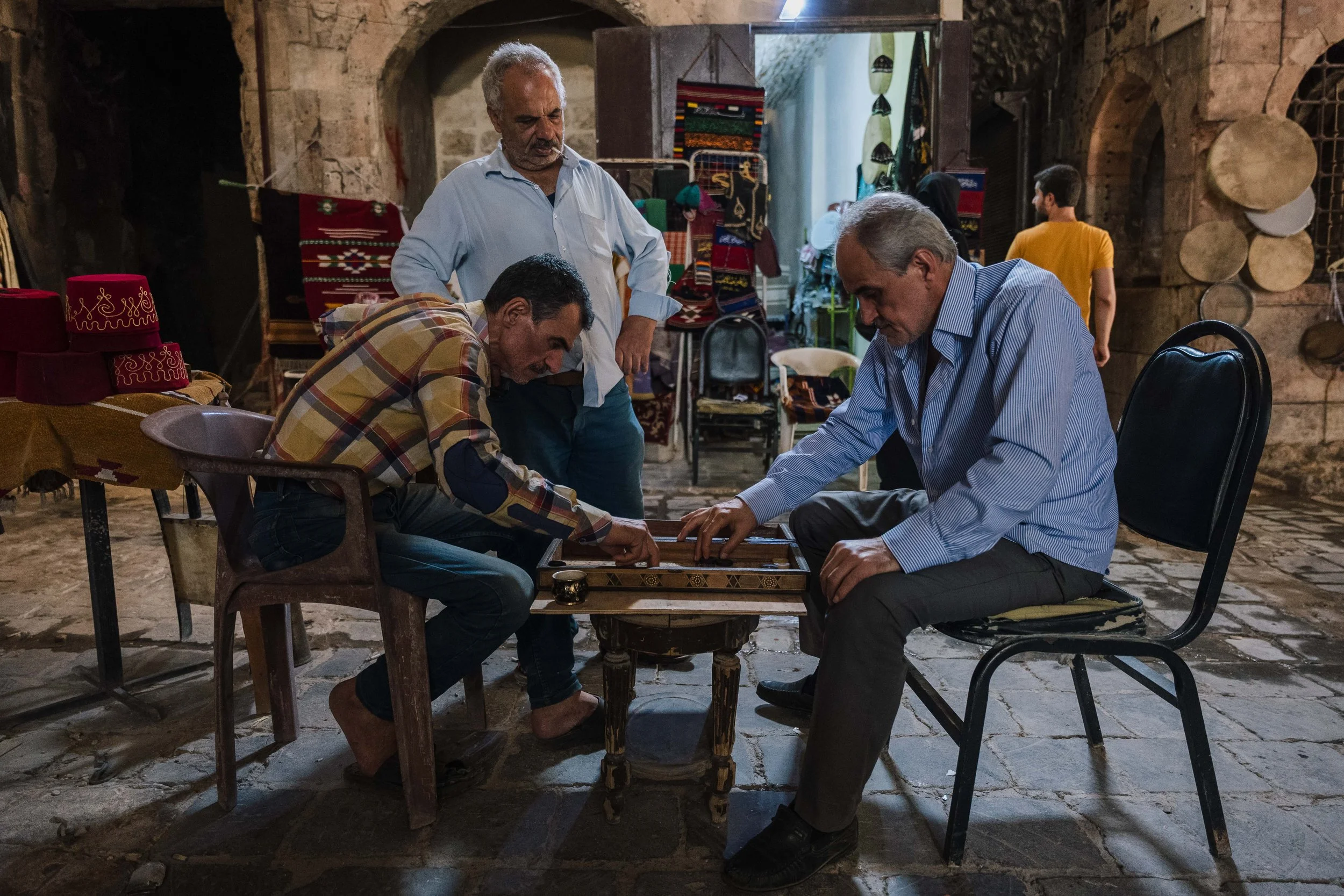
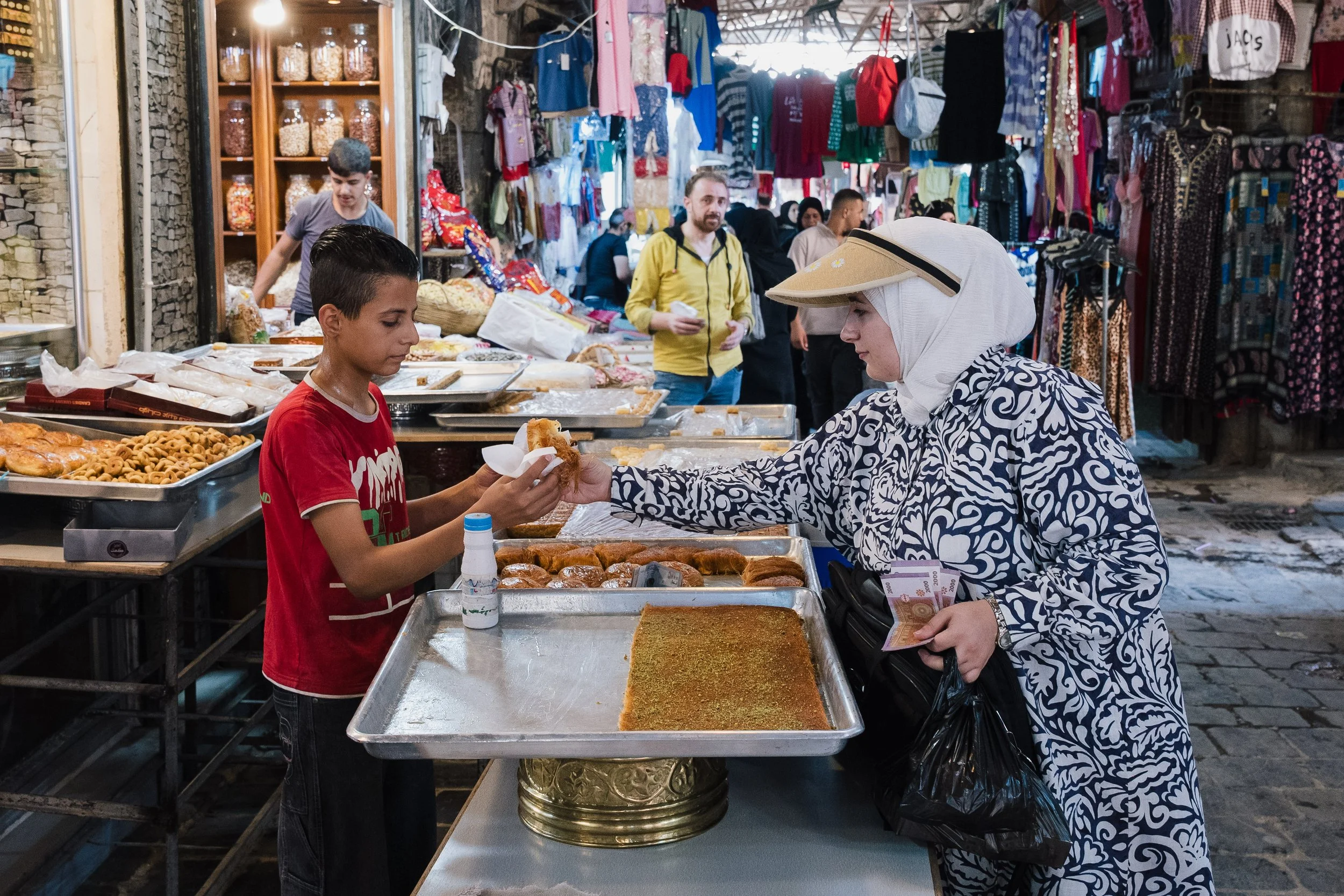
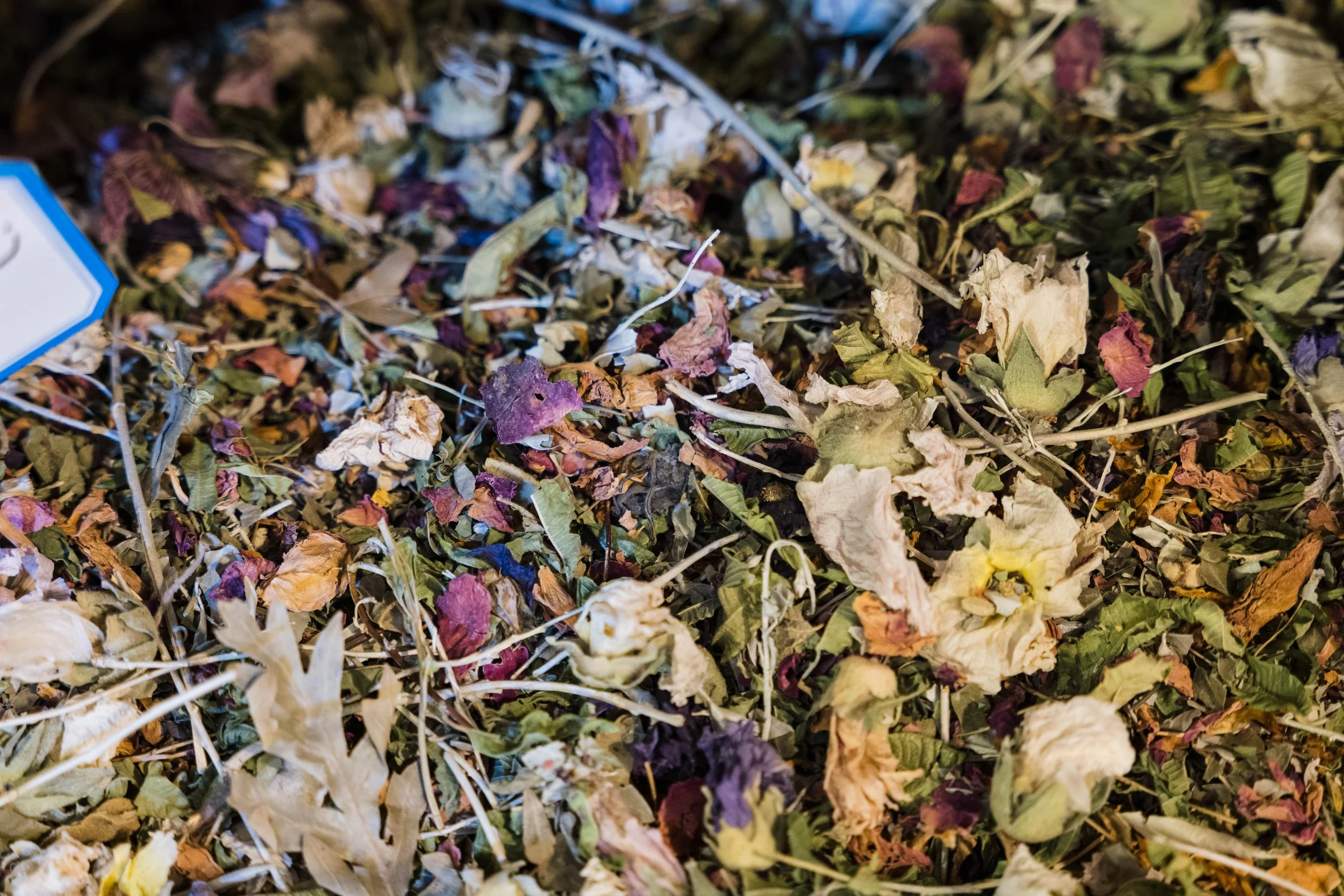
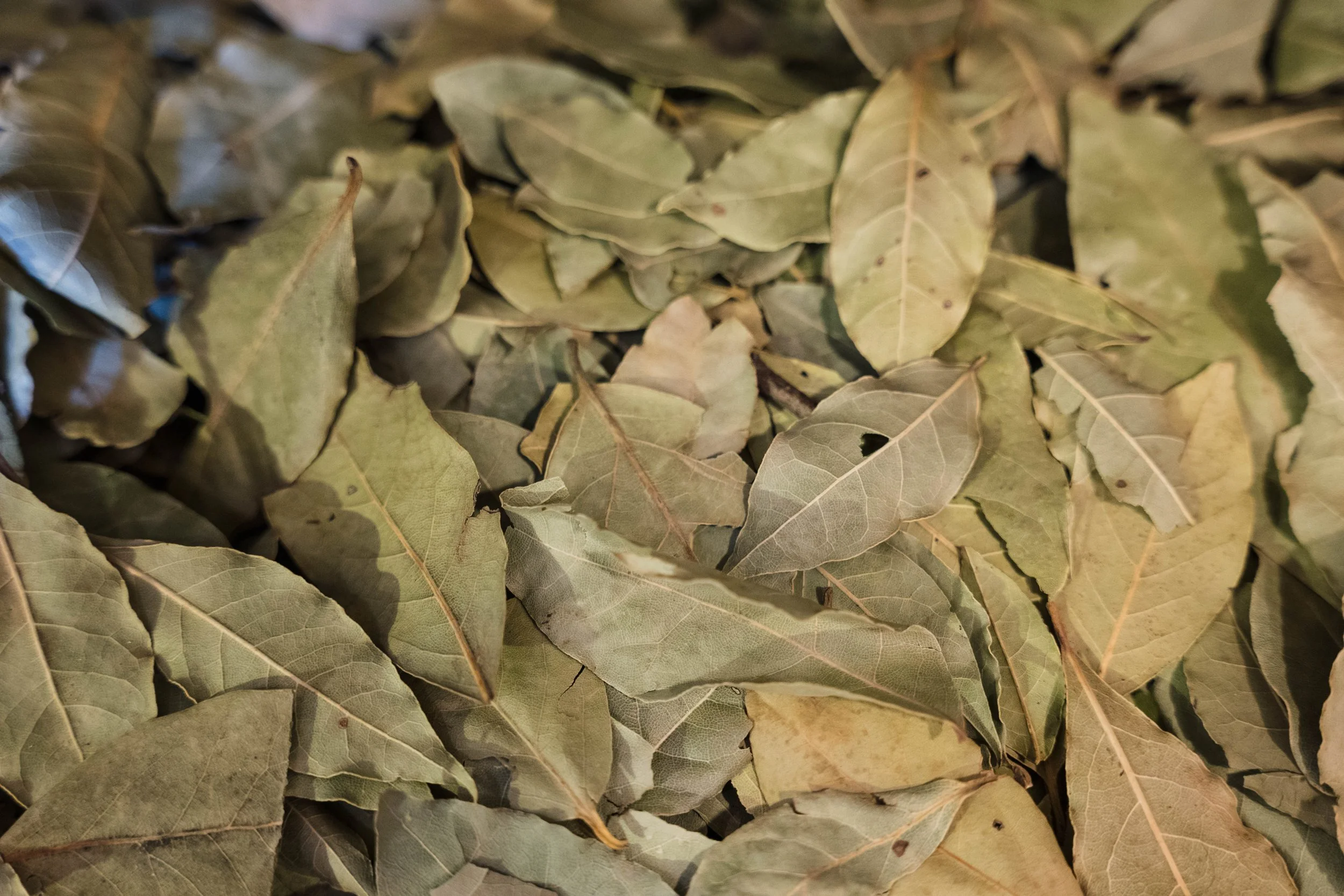
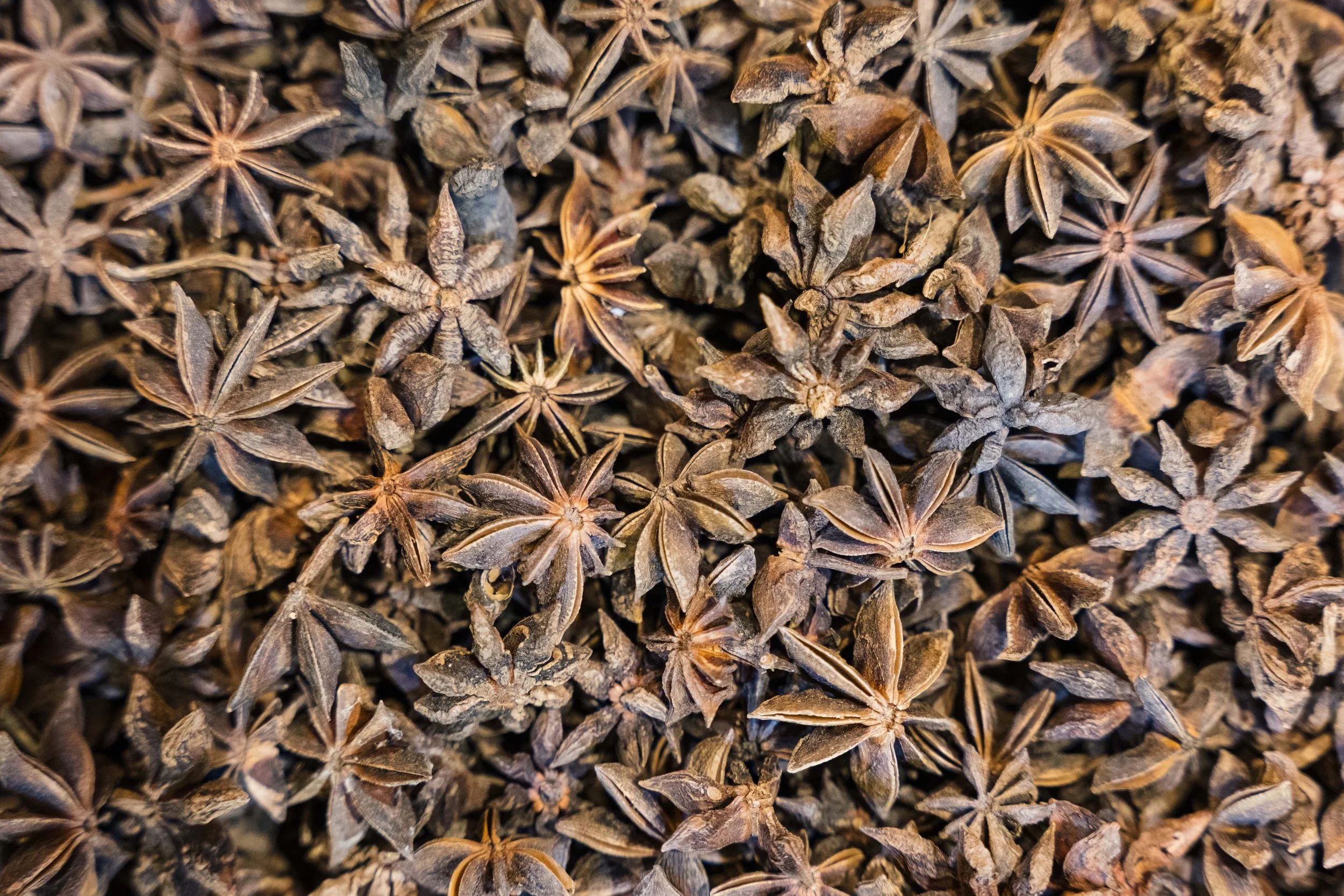
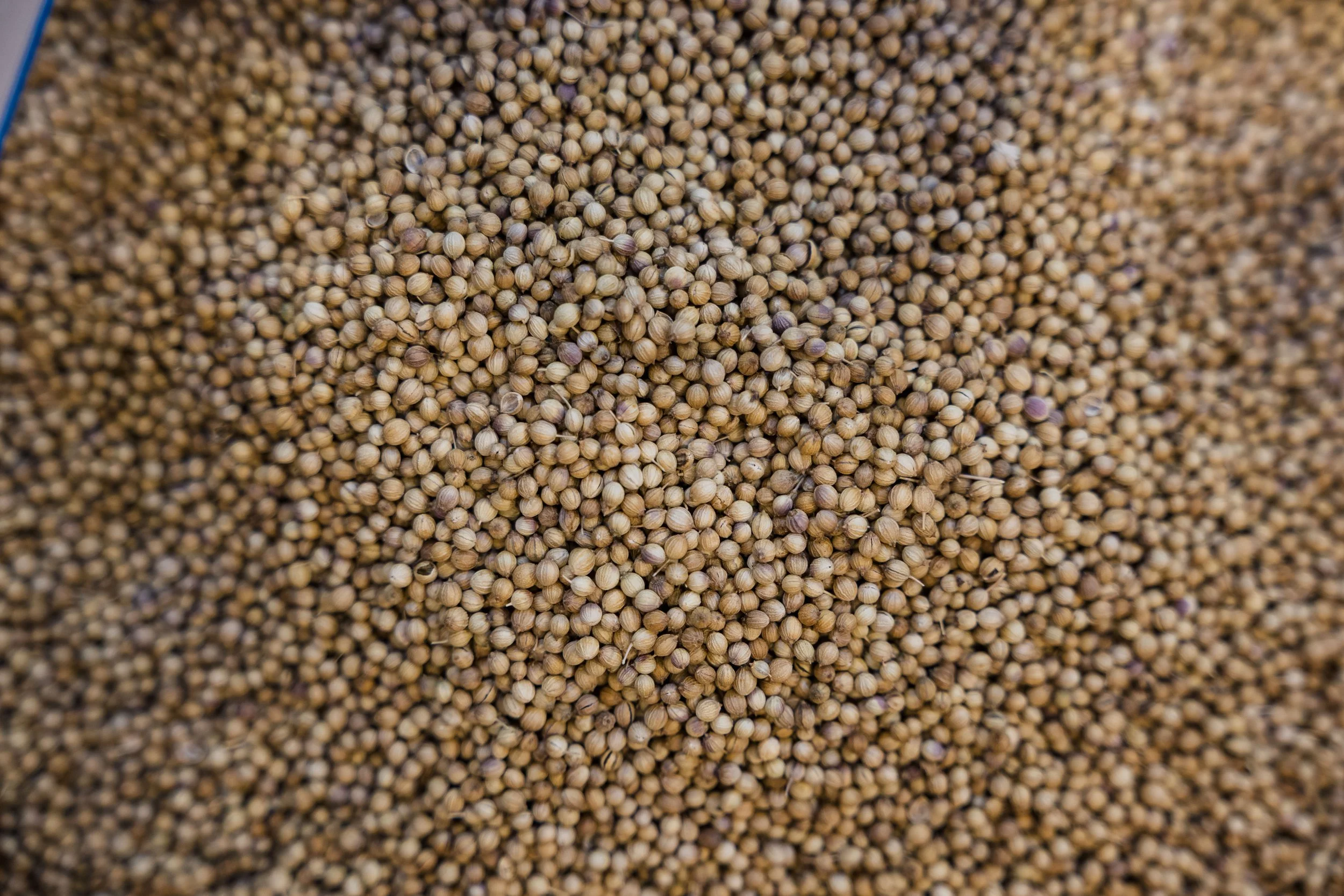
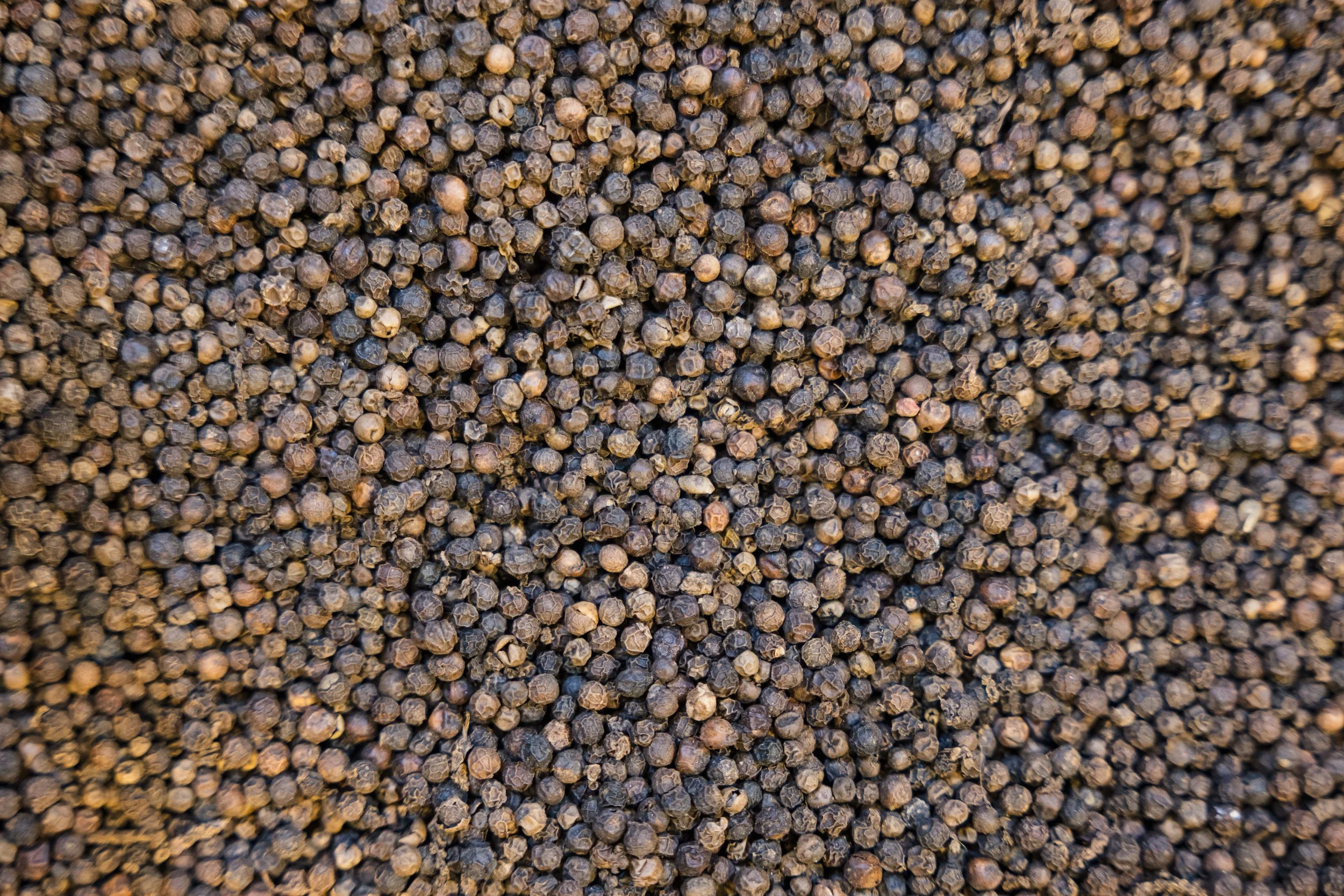
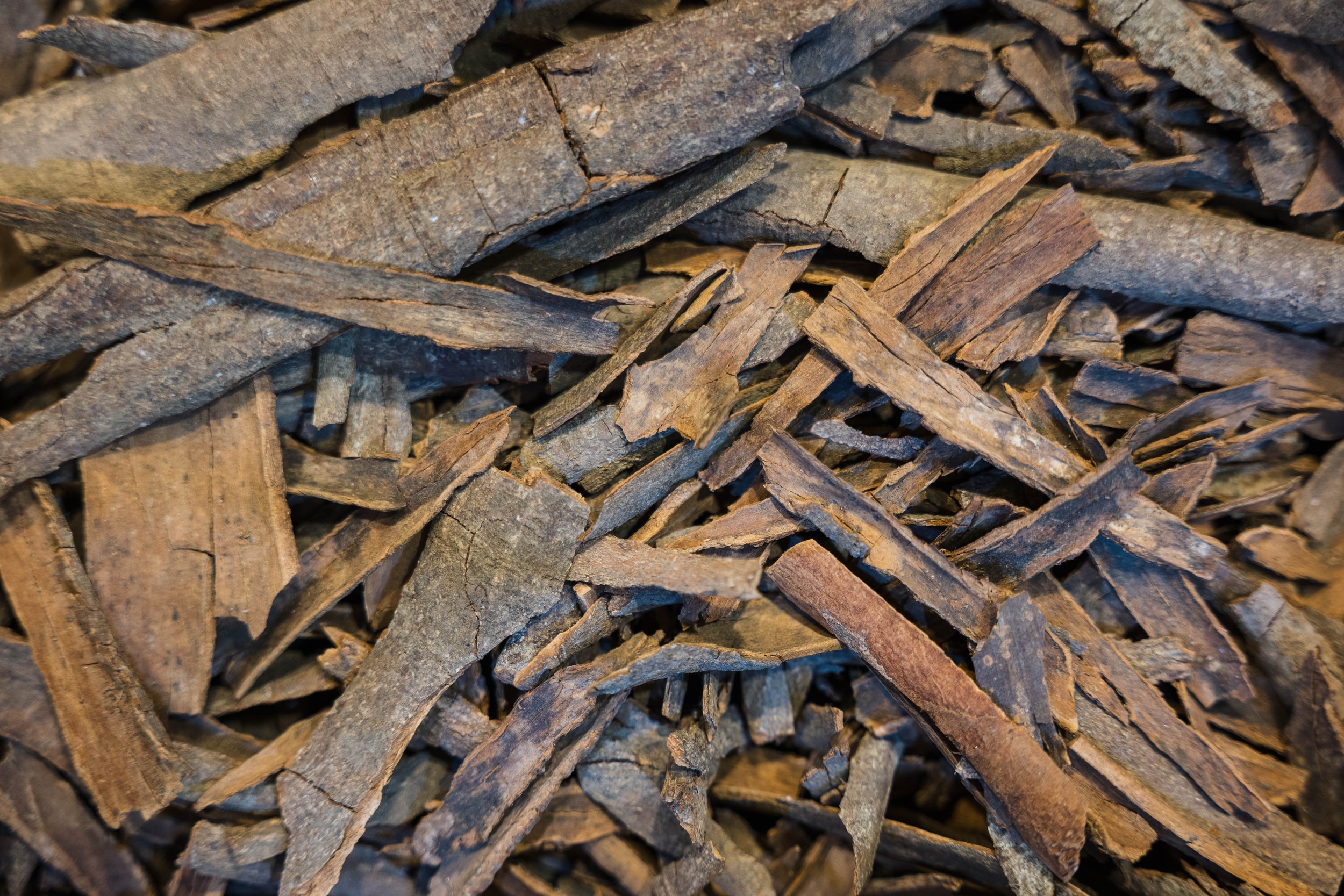
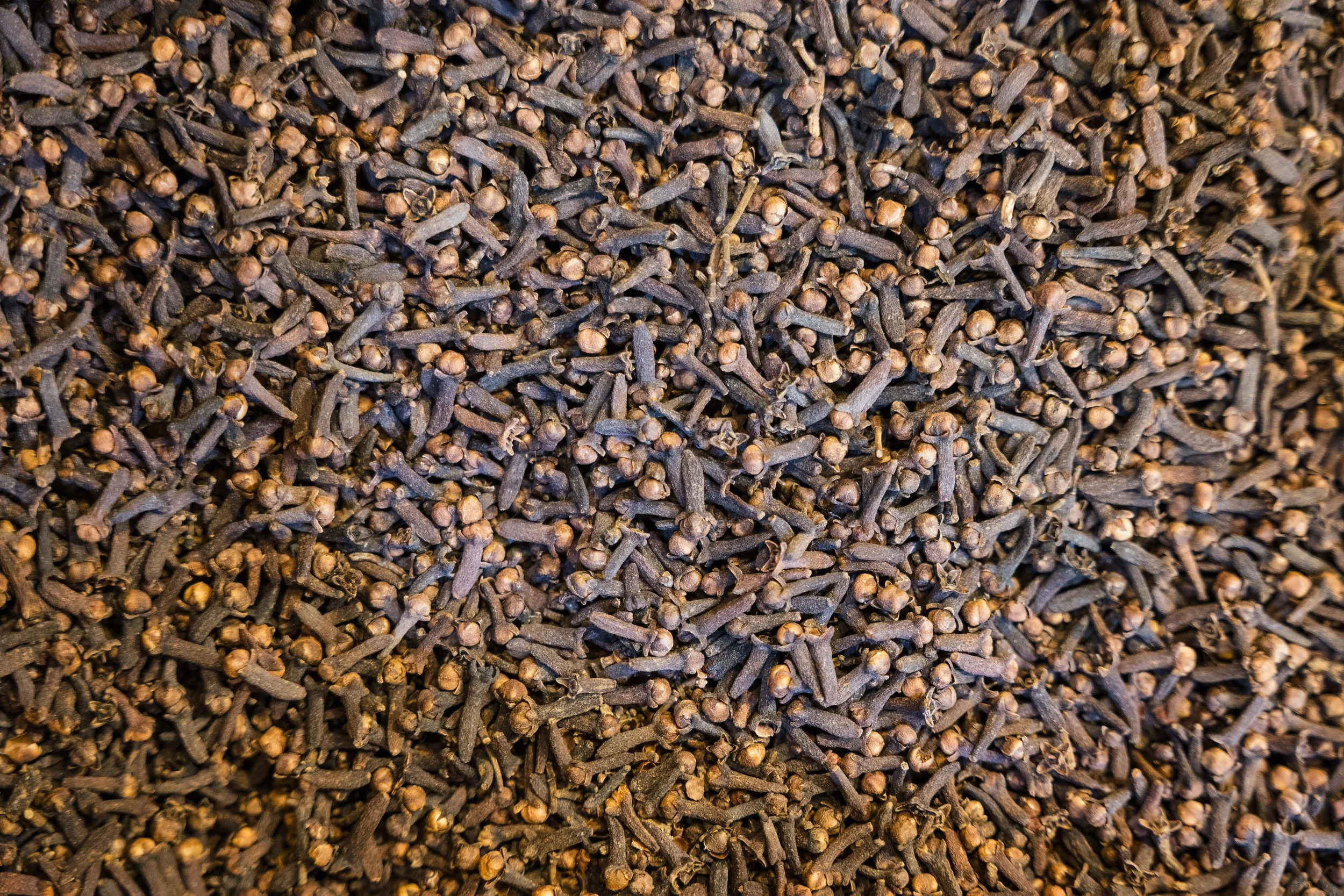
Much like a modern department store, Aleppo’s souk has different sections for different products. There’s a street that just sells rope, a section for spices, for soap, for antiques, for sweet treats and more.
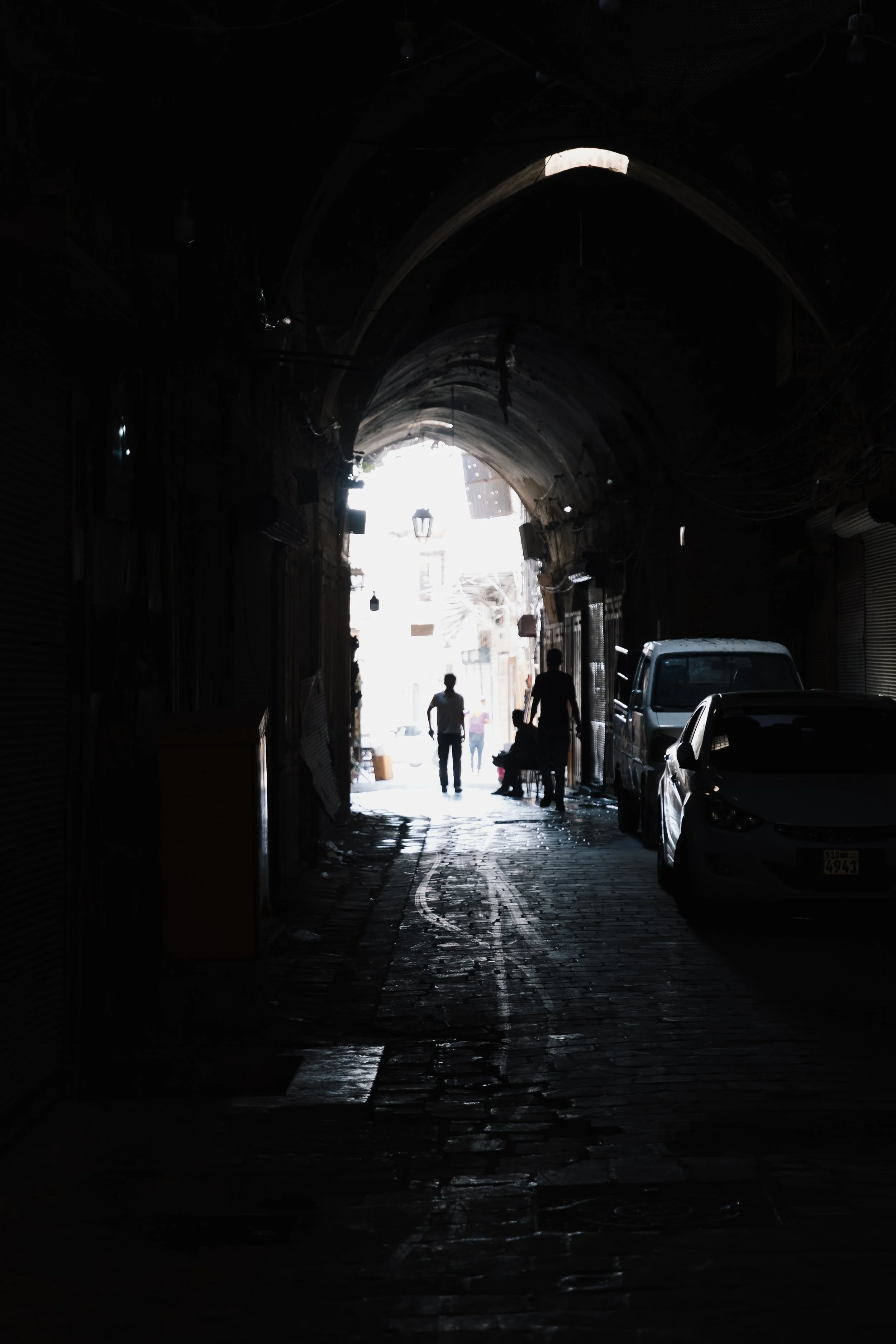
Protected from the sun by thick walls and vaulted ceilings, the labyrinthine souk is cool and a gentle breeze flows along it. Whilst the hubbub of bartering and trade is a far cry from the souk’s pre-war heyday, its covered streets still hum with the rhythms of daily exchange. Every so often you can hear the clink-clink of the erk sous (liquorice juice) seller knocking his brass plates together in an effort to drum up sales.
The hope is that, in the years to come, shopkeepers will return and that, like blood that flows through veins, economic life will course through the vaulted streets of Aleppo’s souk once again.
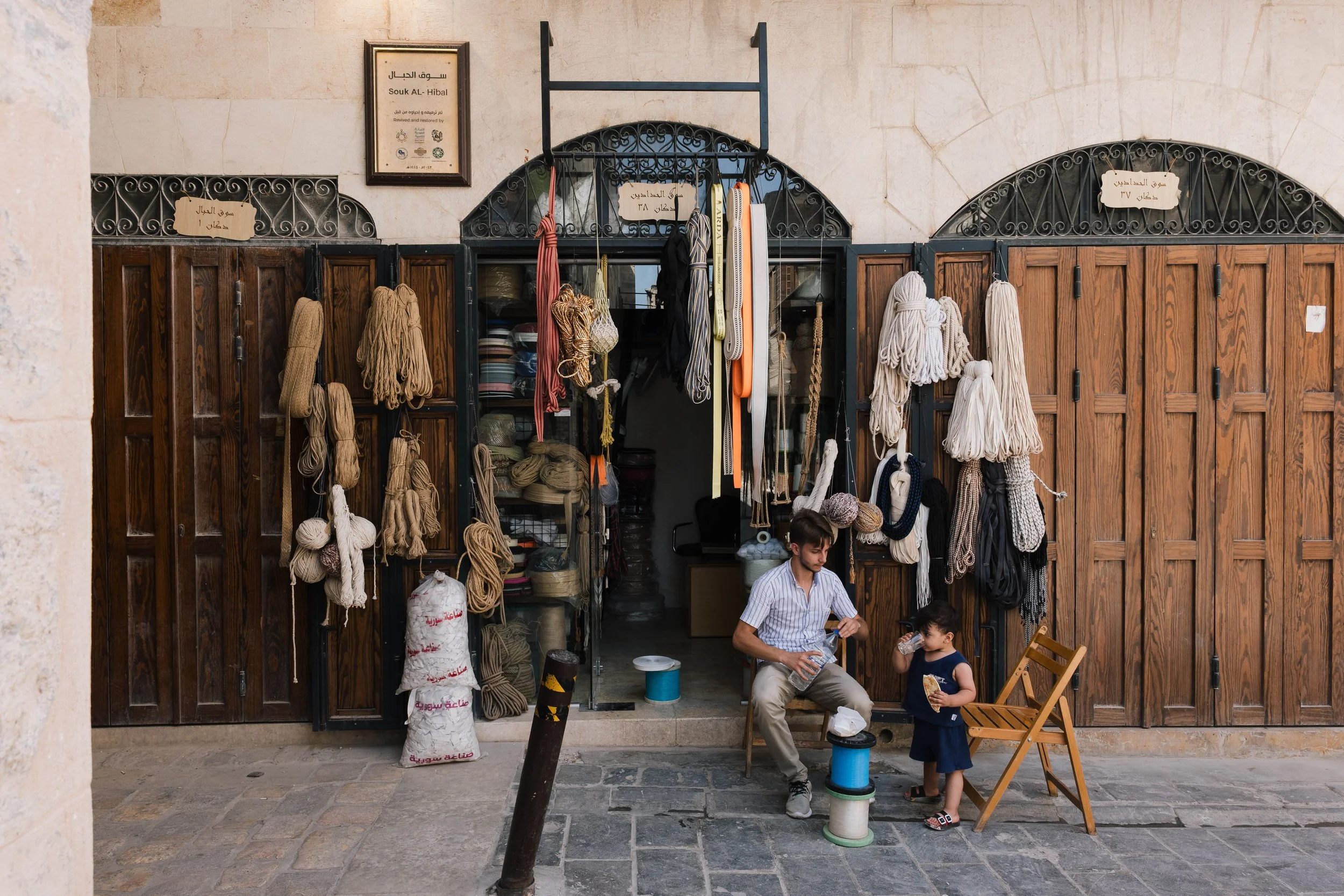
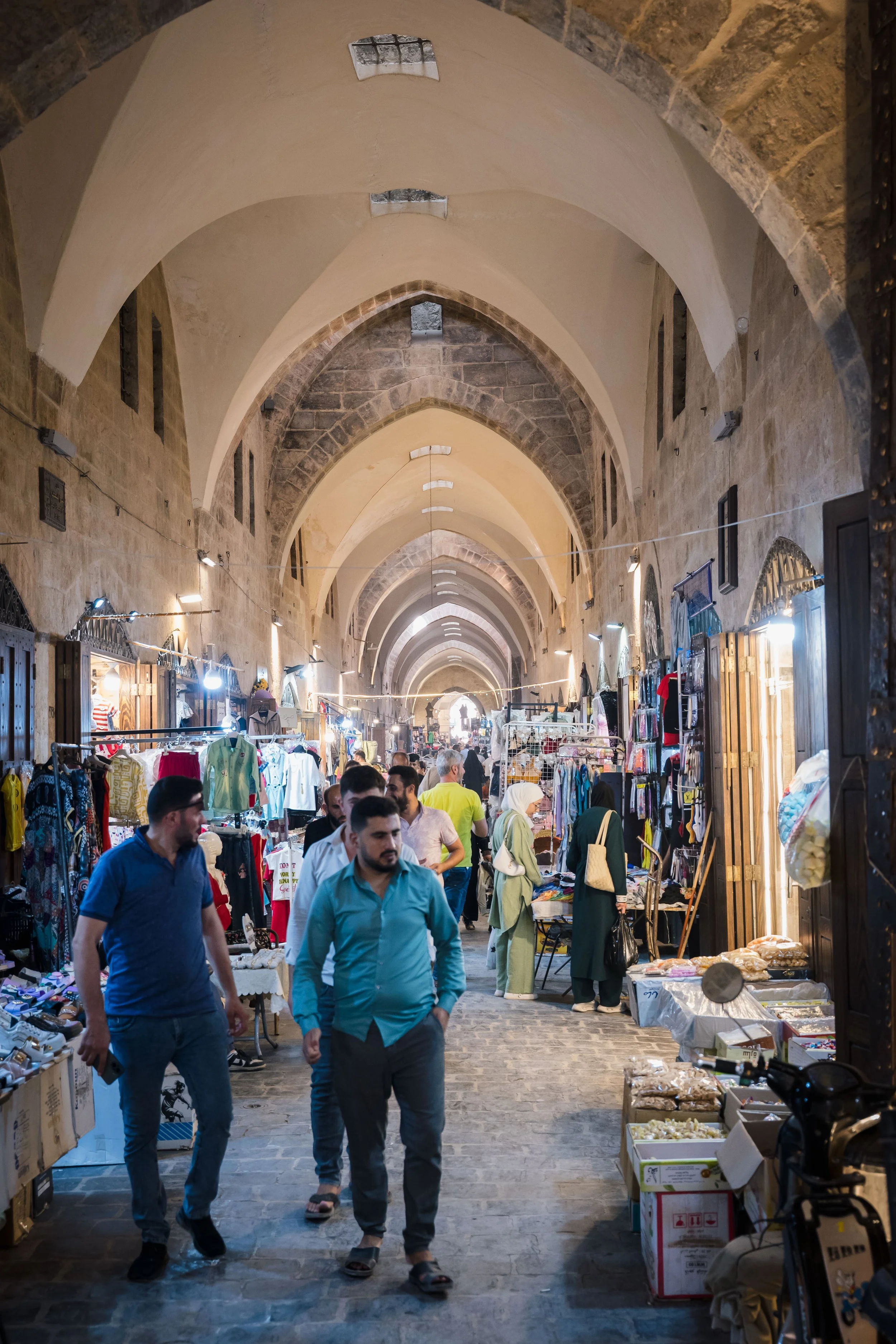
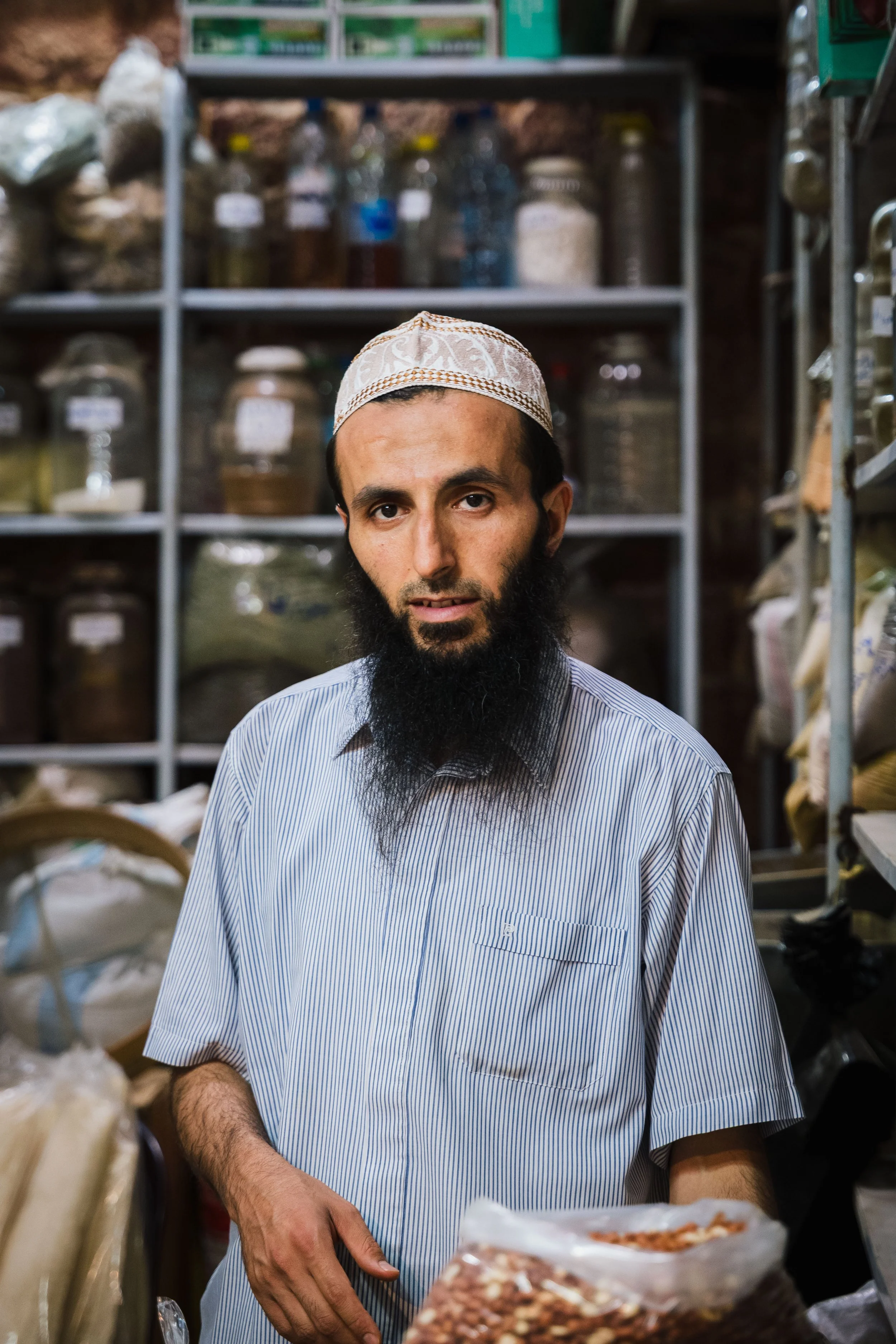
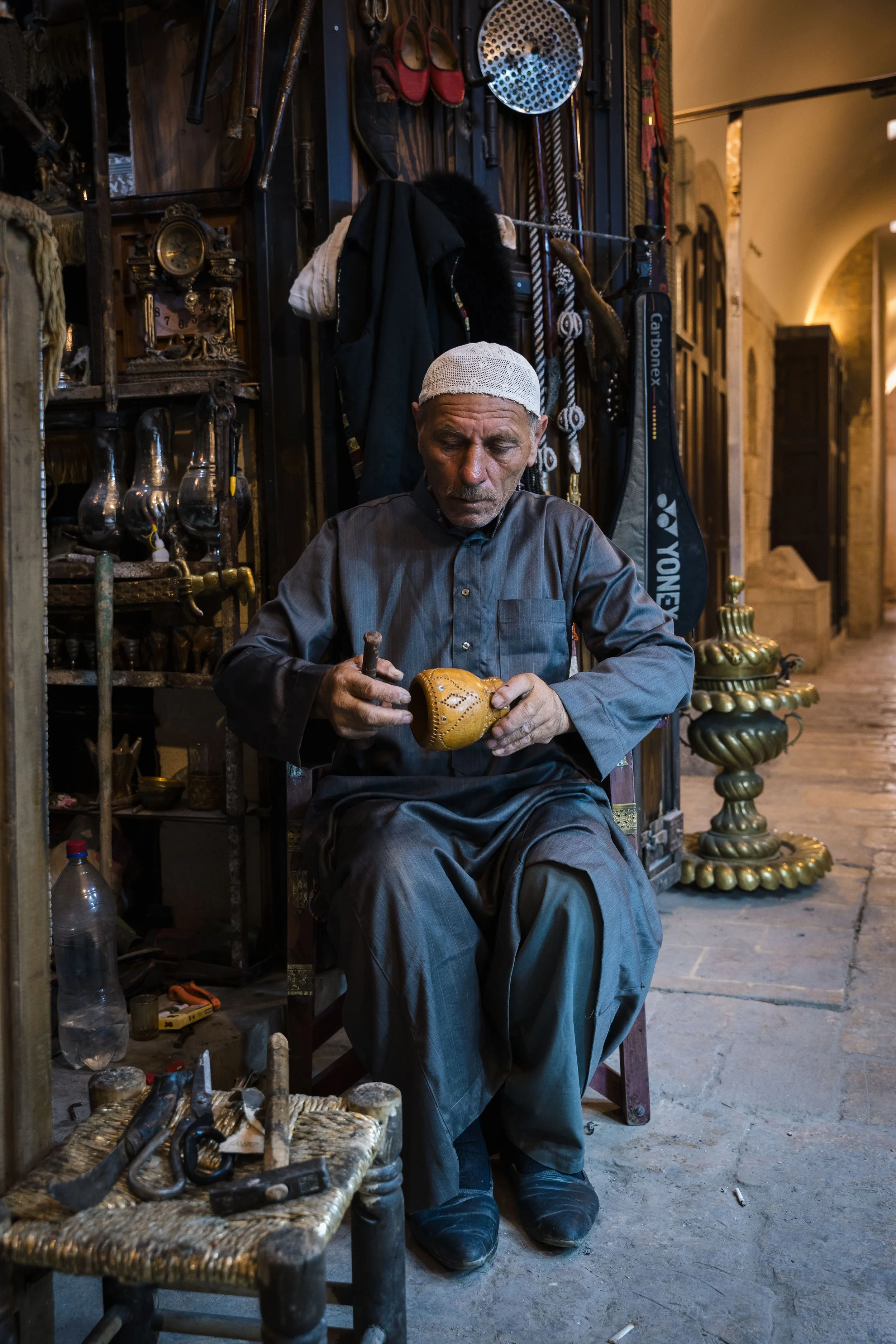
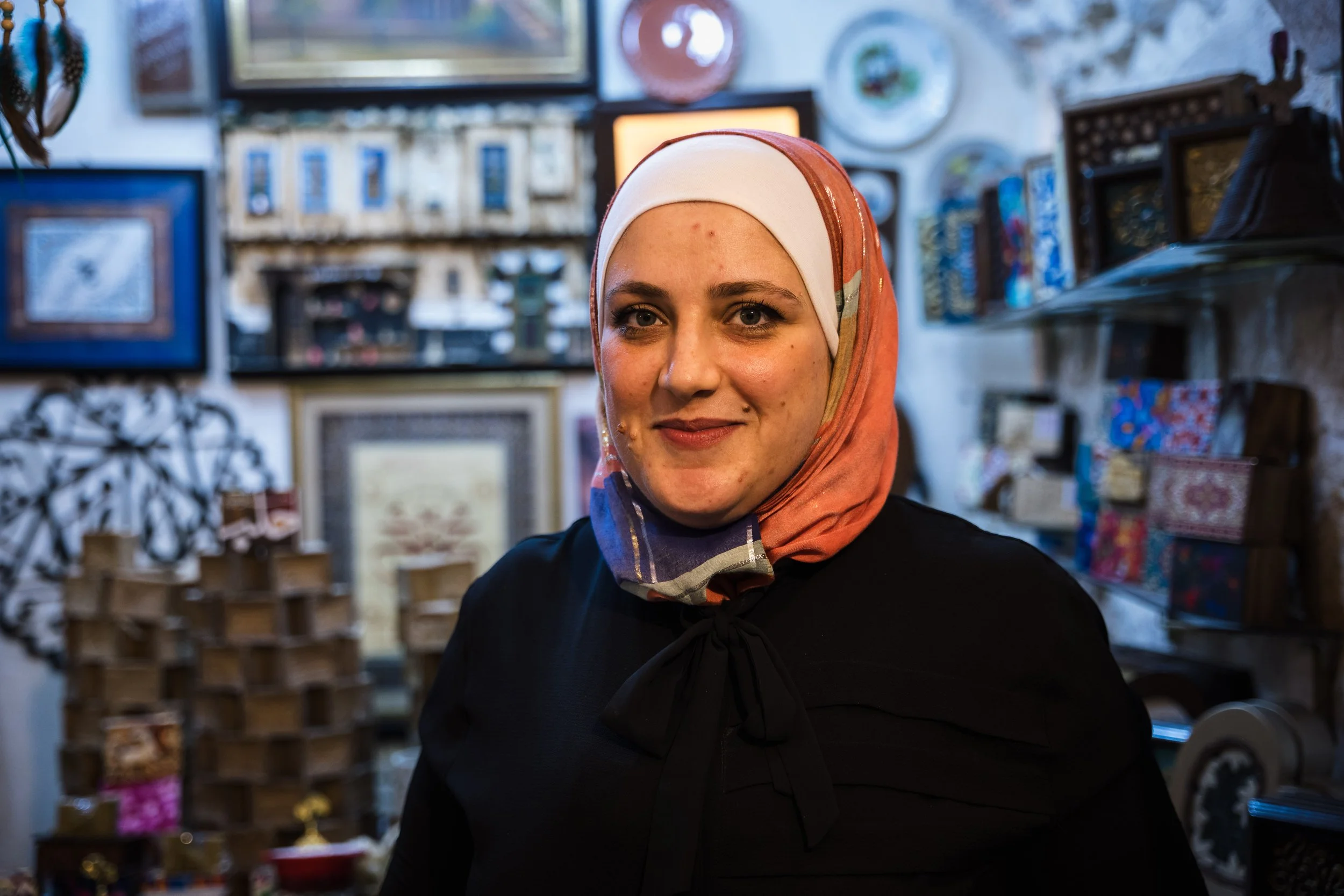
“There is positive energy in the souk. Every day it feels better to be here. I feel I belong in this place.”
Rah Houri, shopkeeper
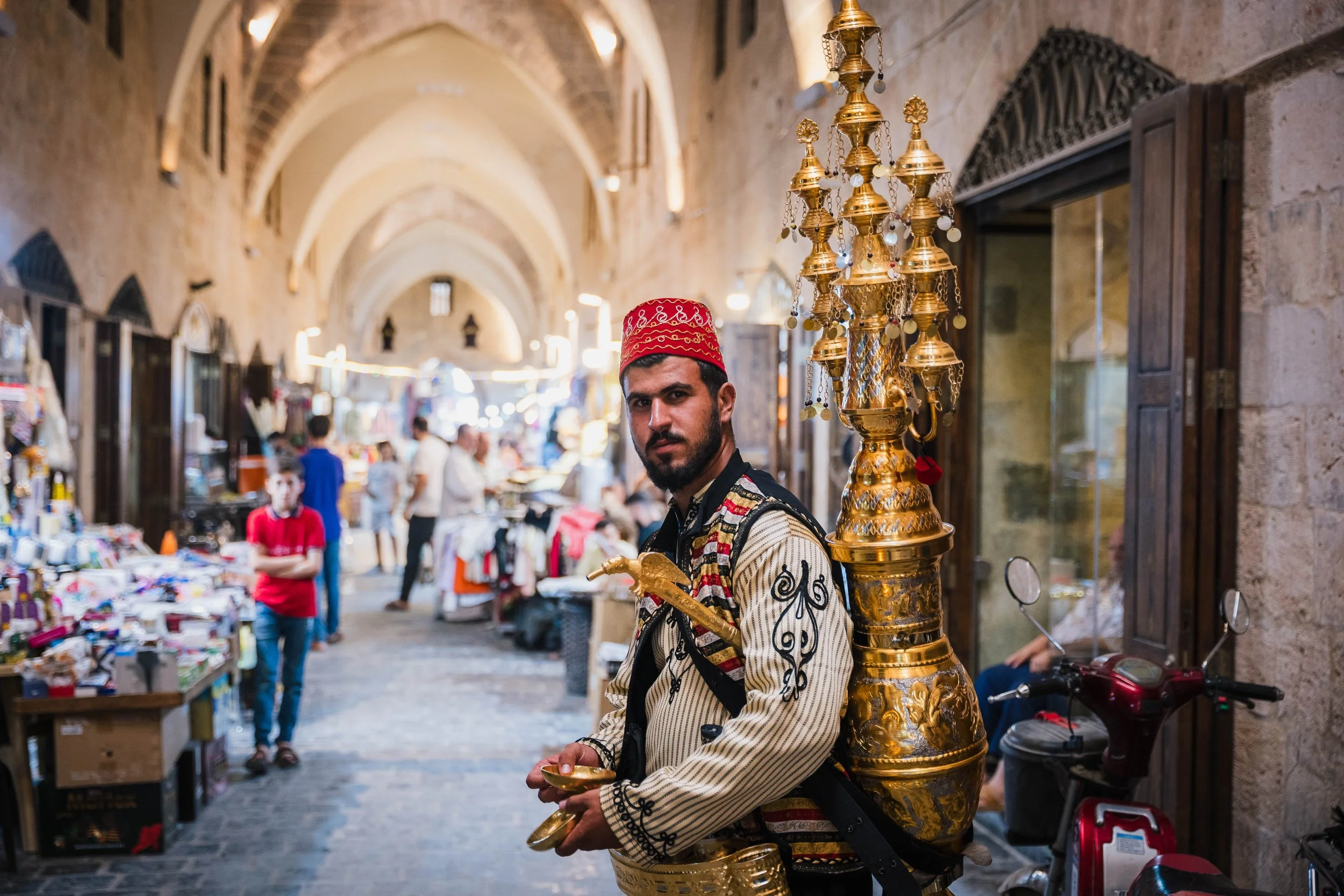
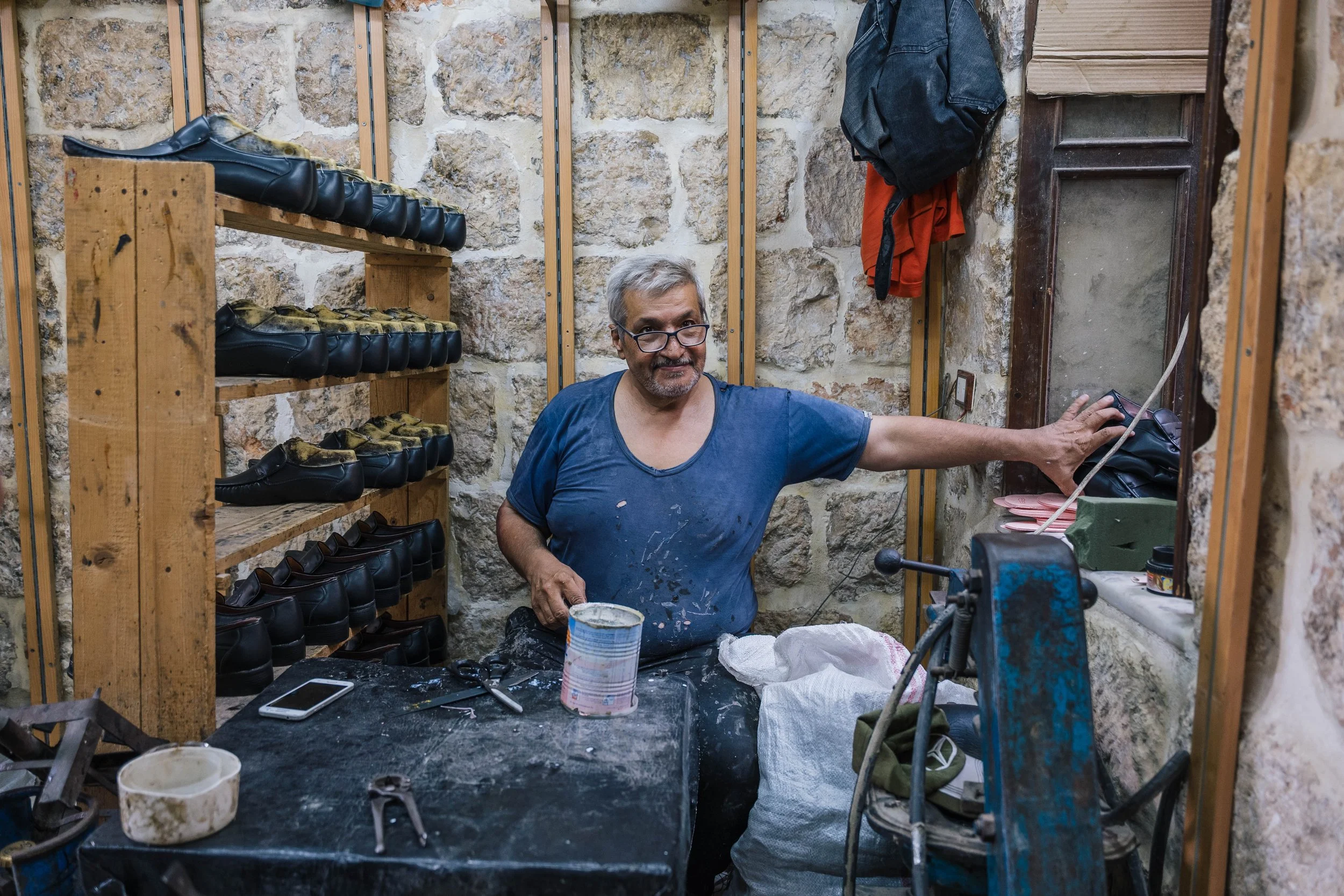
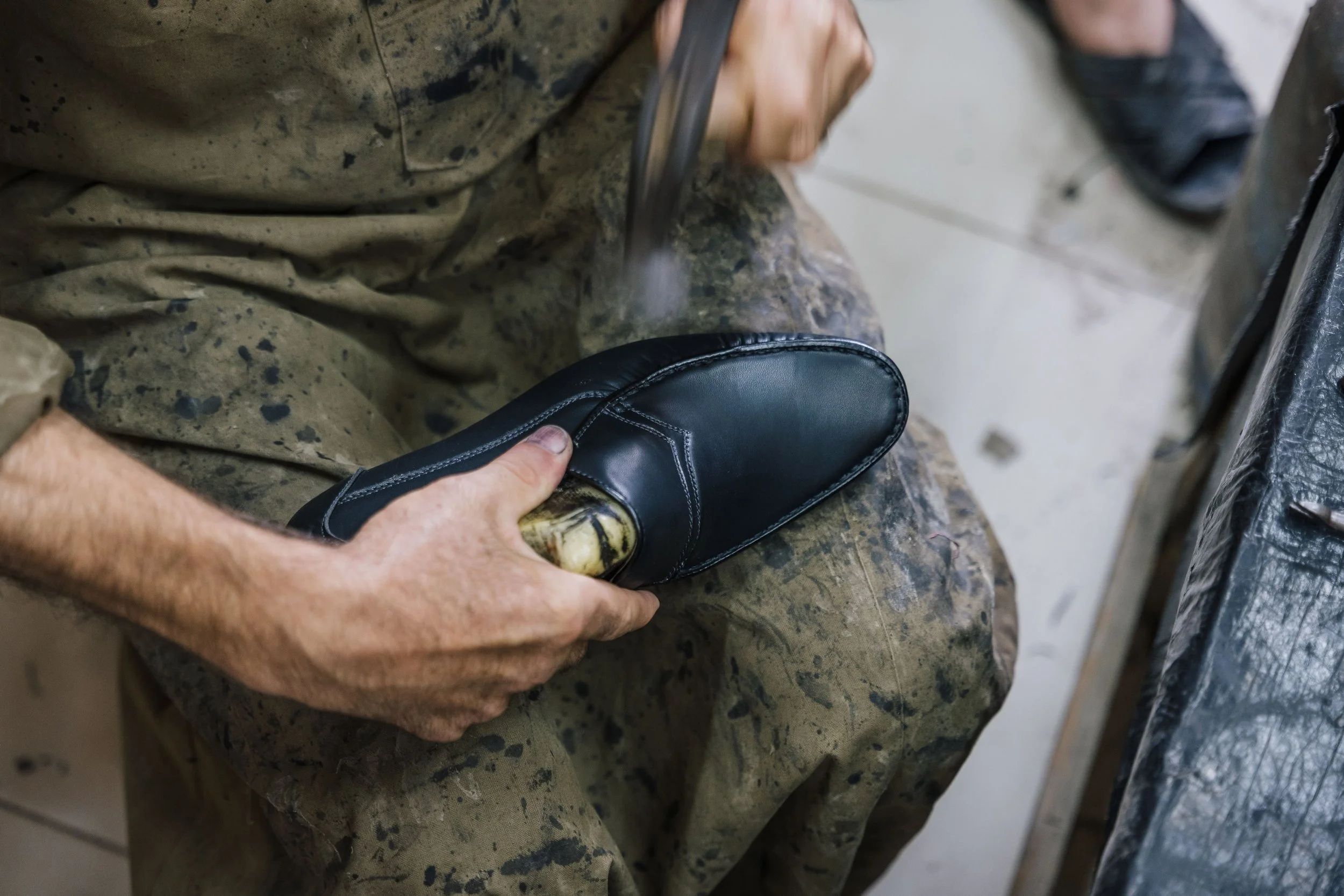
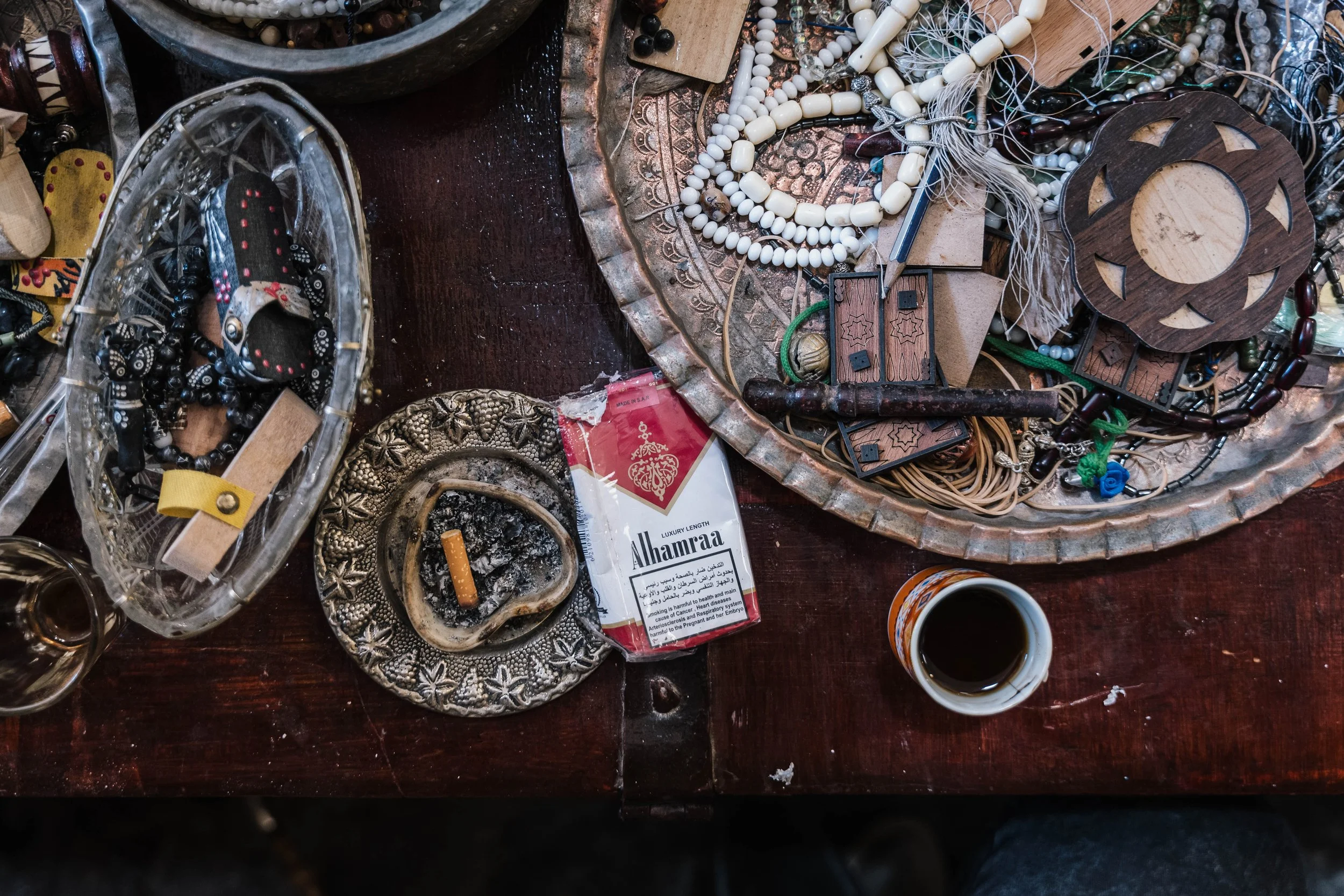
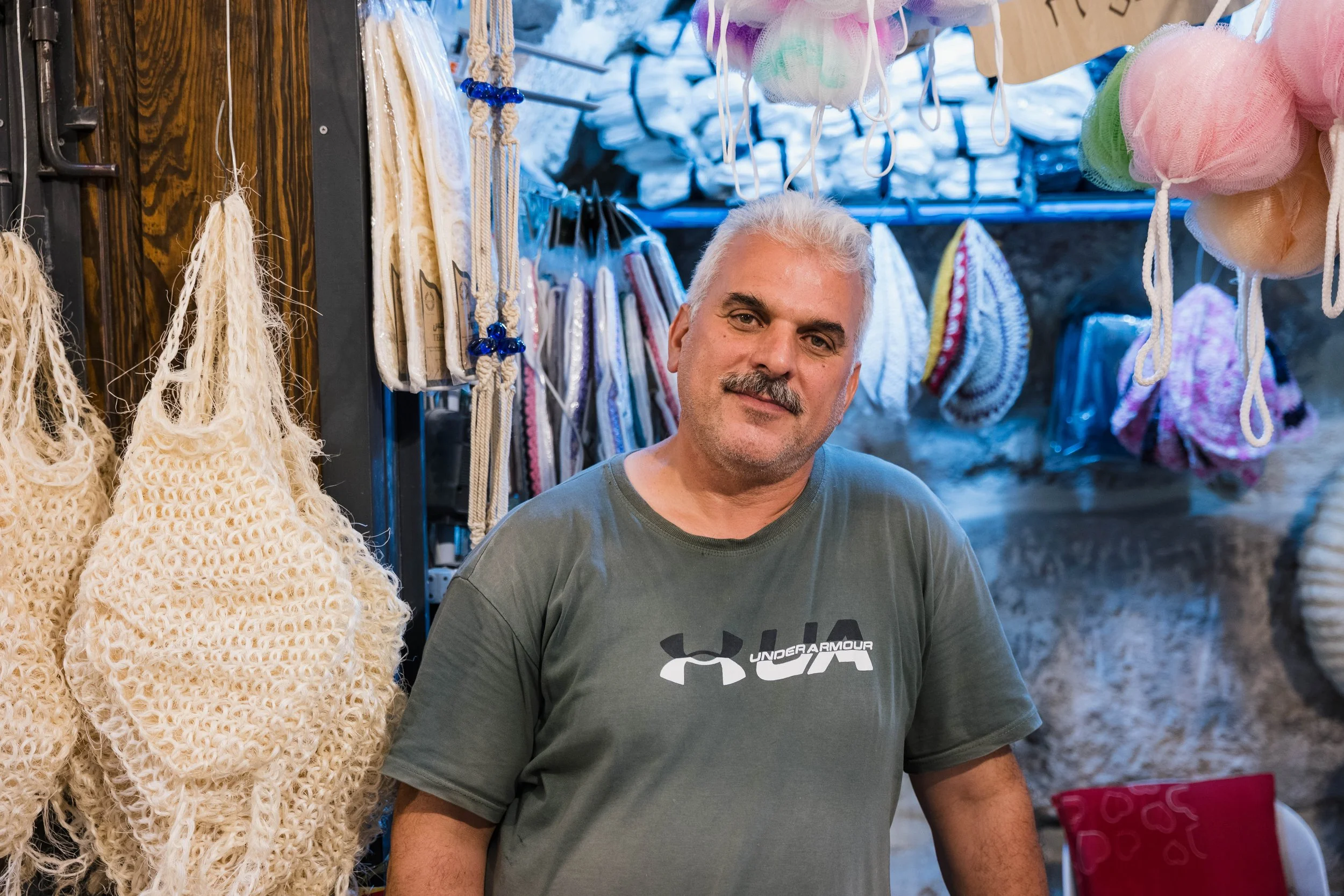
“My soul is in this place. Even if I don’t sell anything, I will keep coming.”
Youssef Mohammed Shaami, shopkeeper
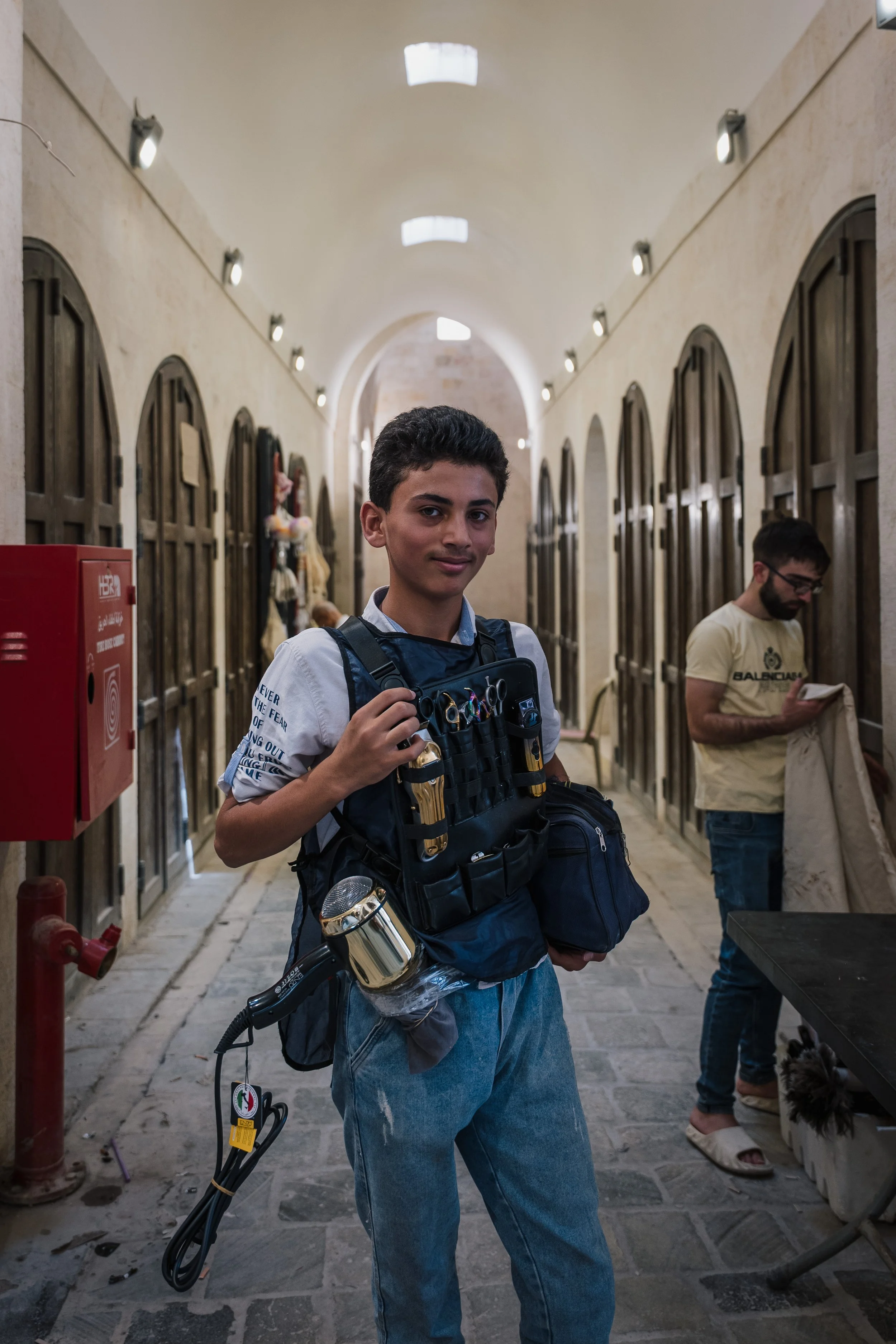
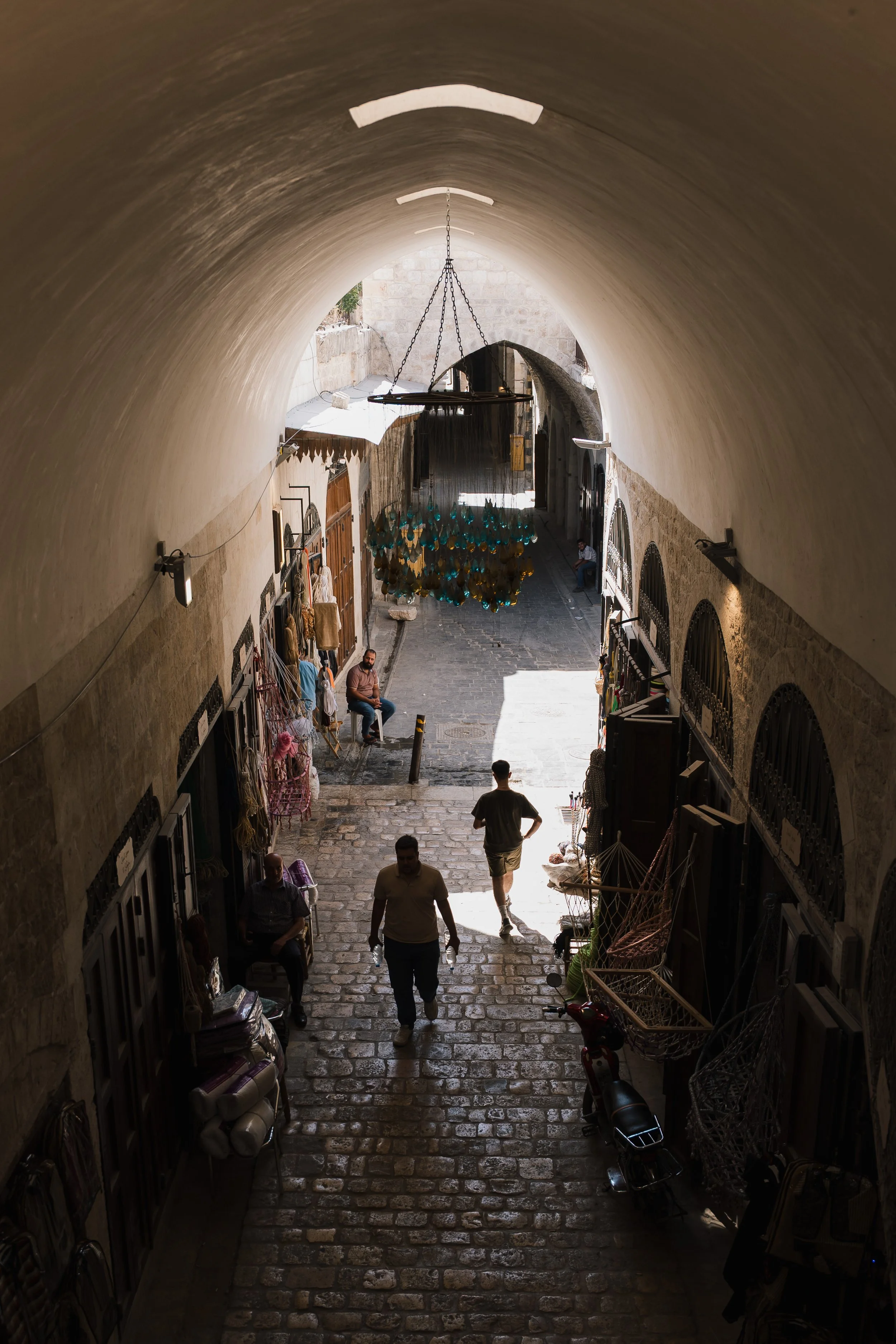
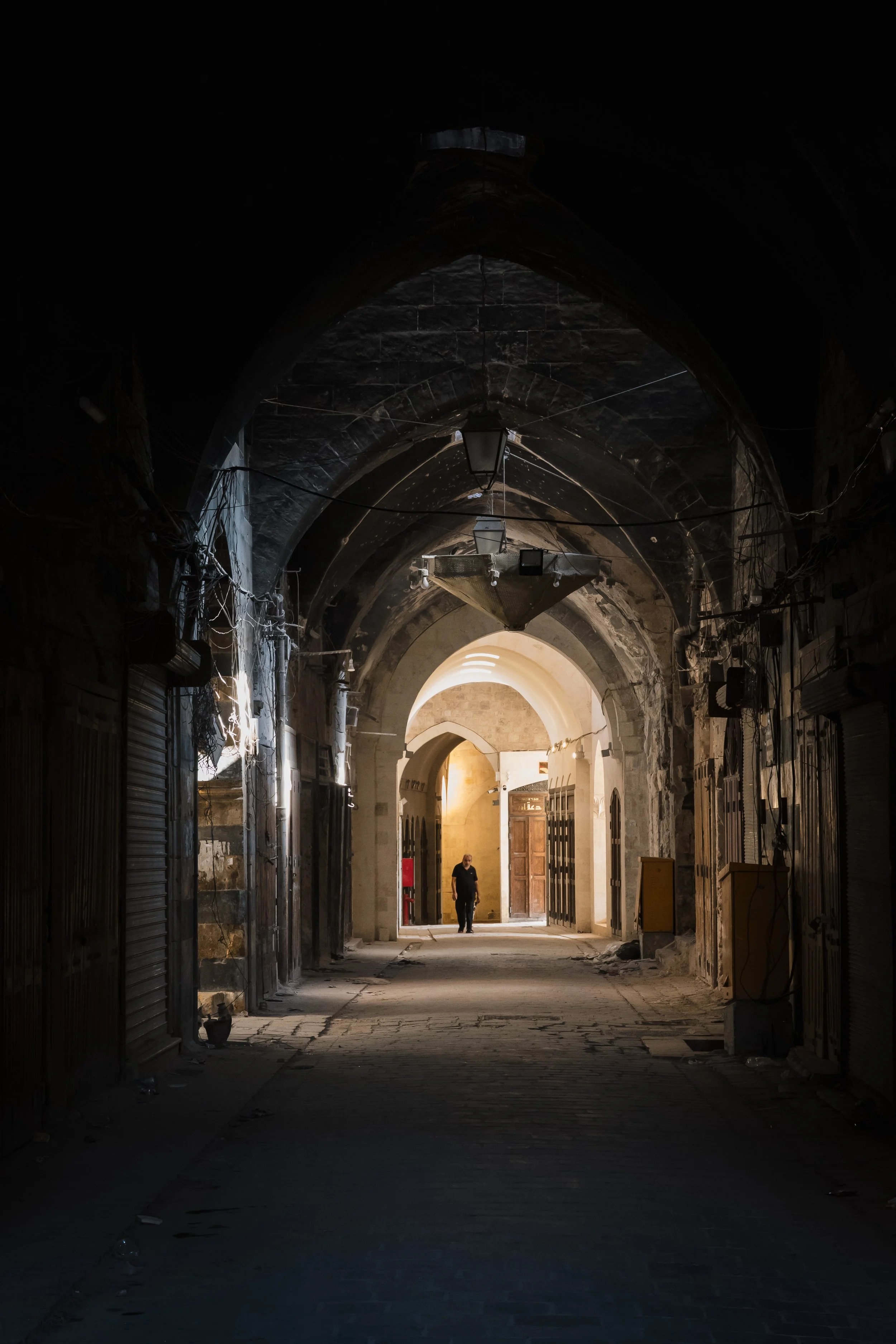
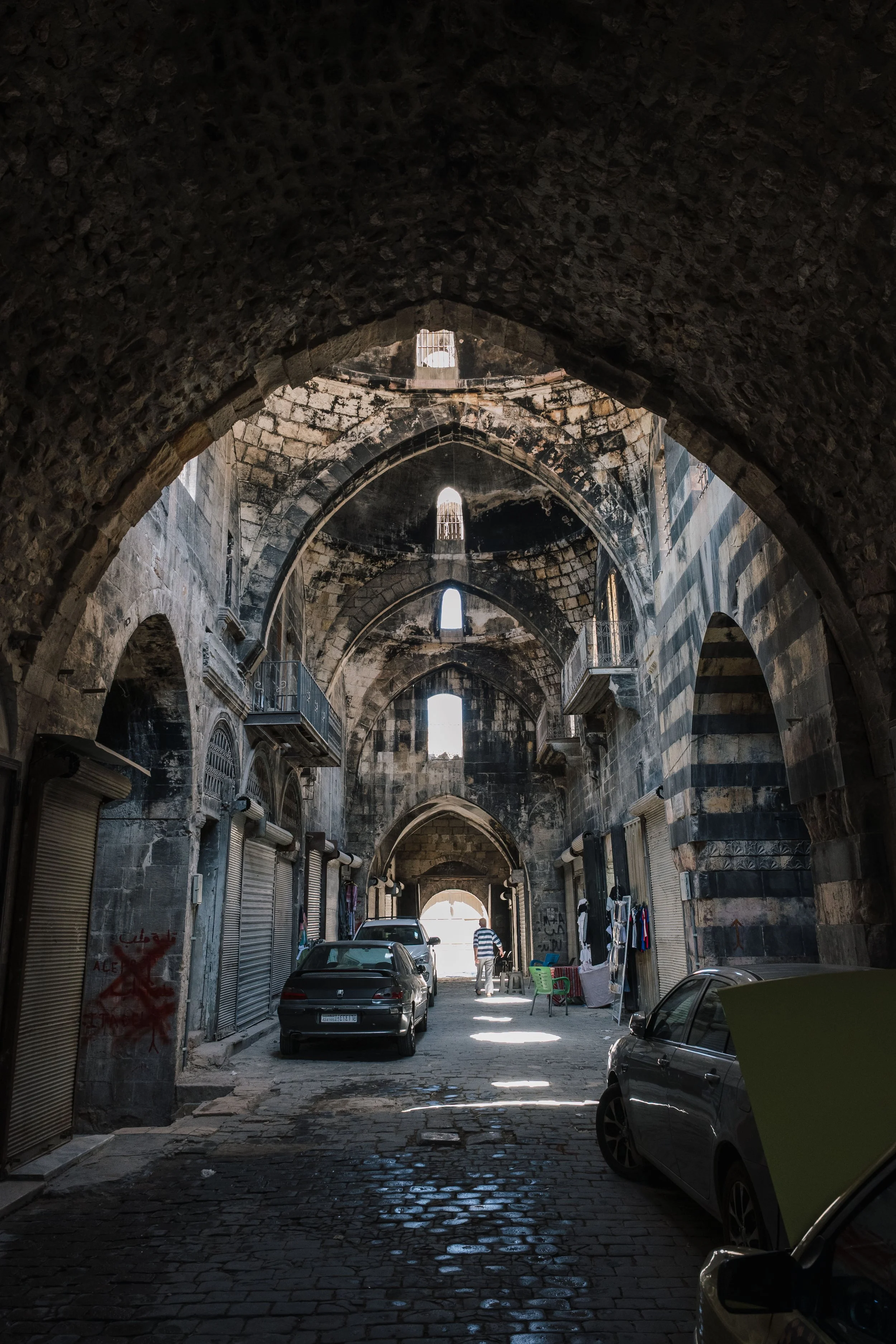
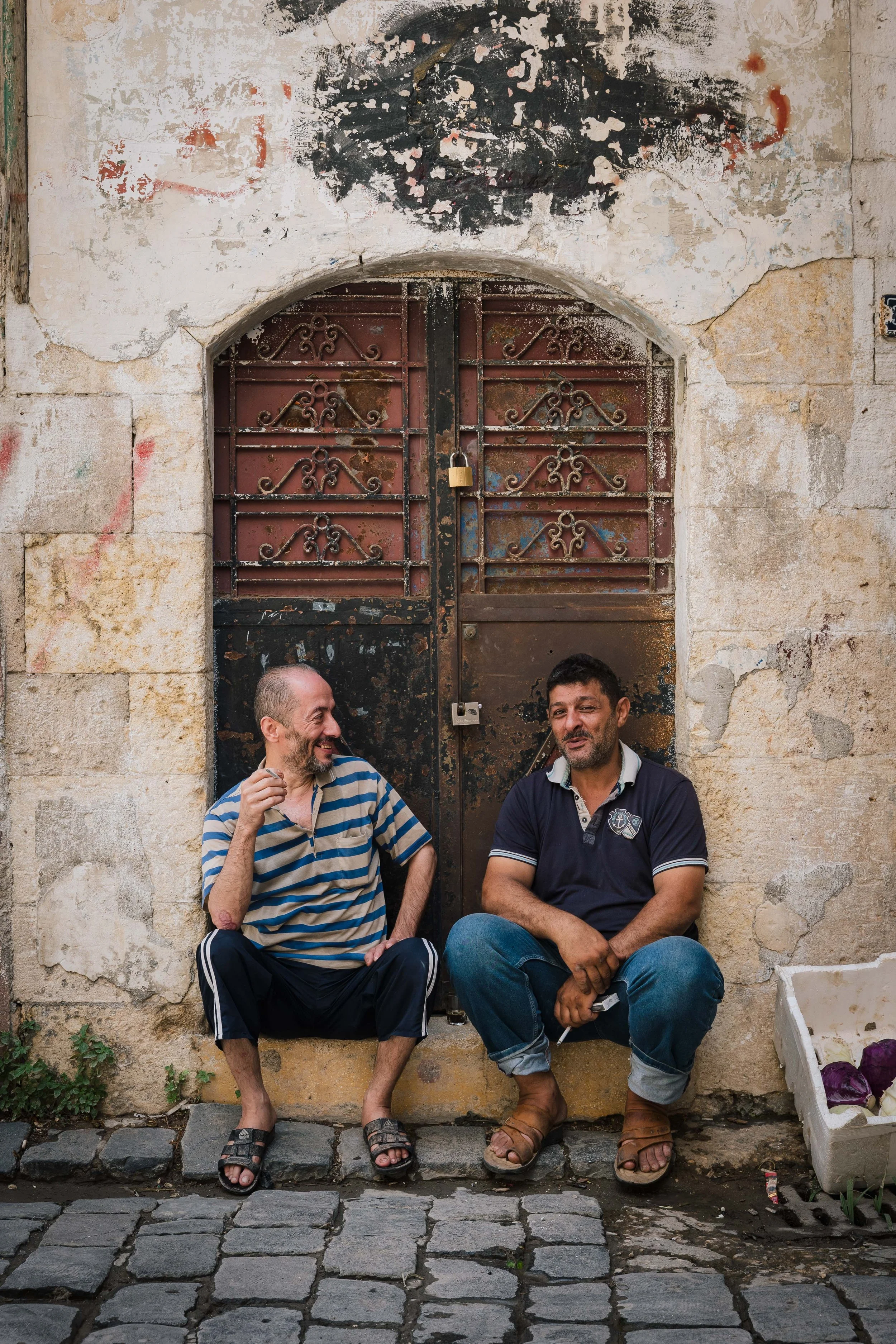
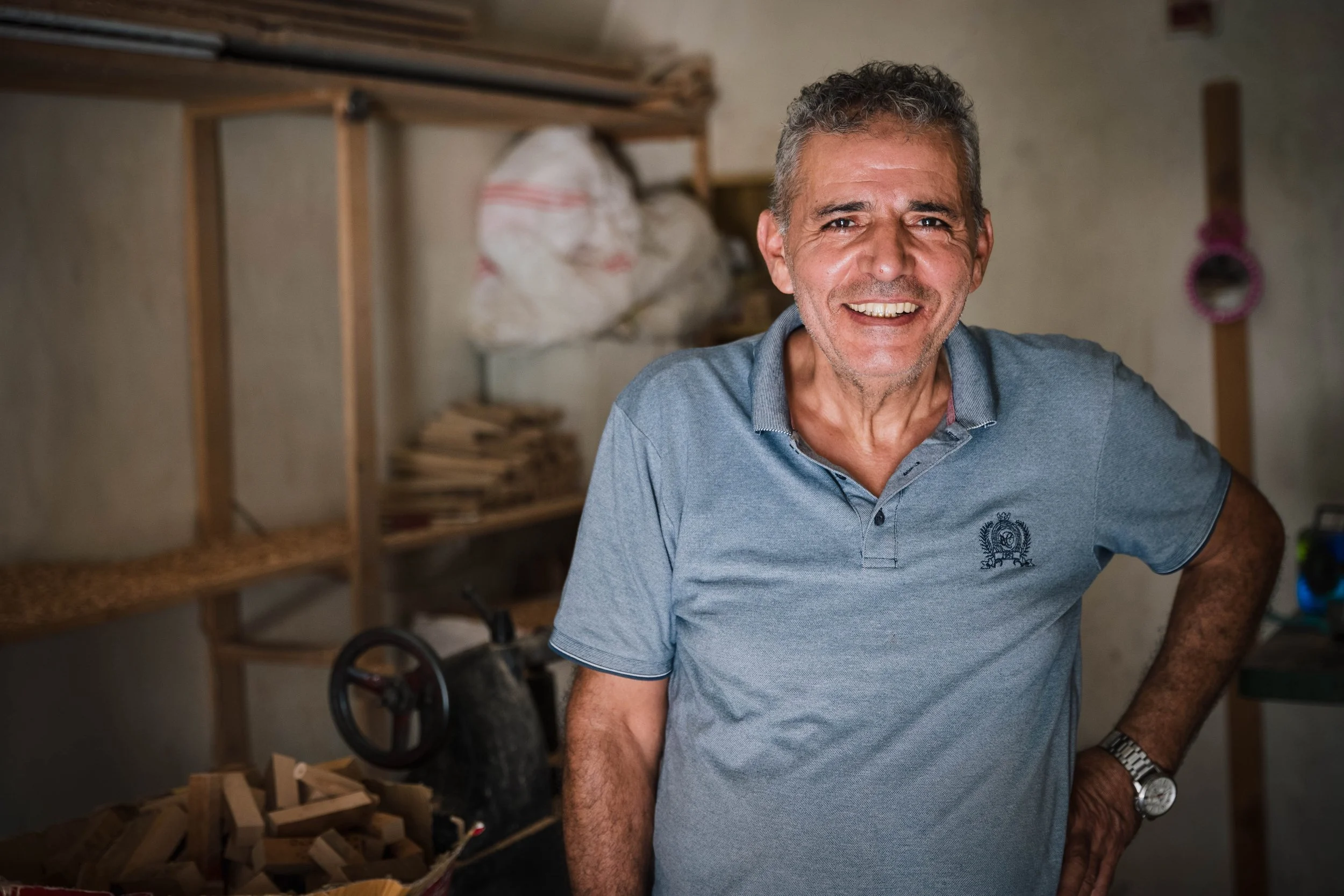
“There were Muslims, Christians and Jews. We loved each other like brothers.
We were like one family.”
Mohammed Aqad, shopkeeper
Jebeli Soap making factory
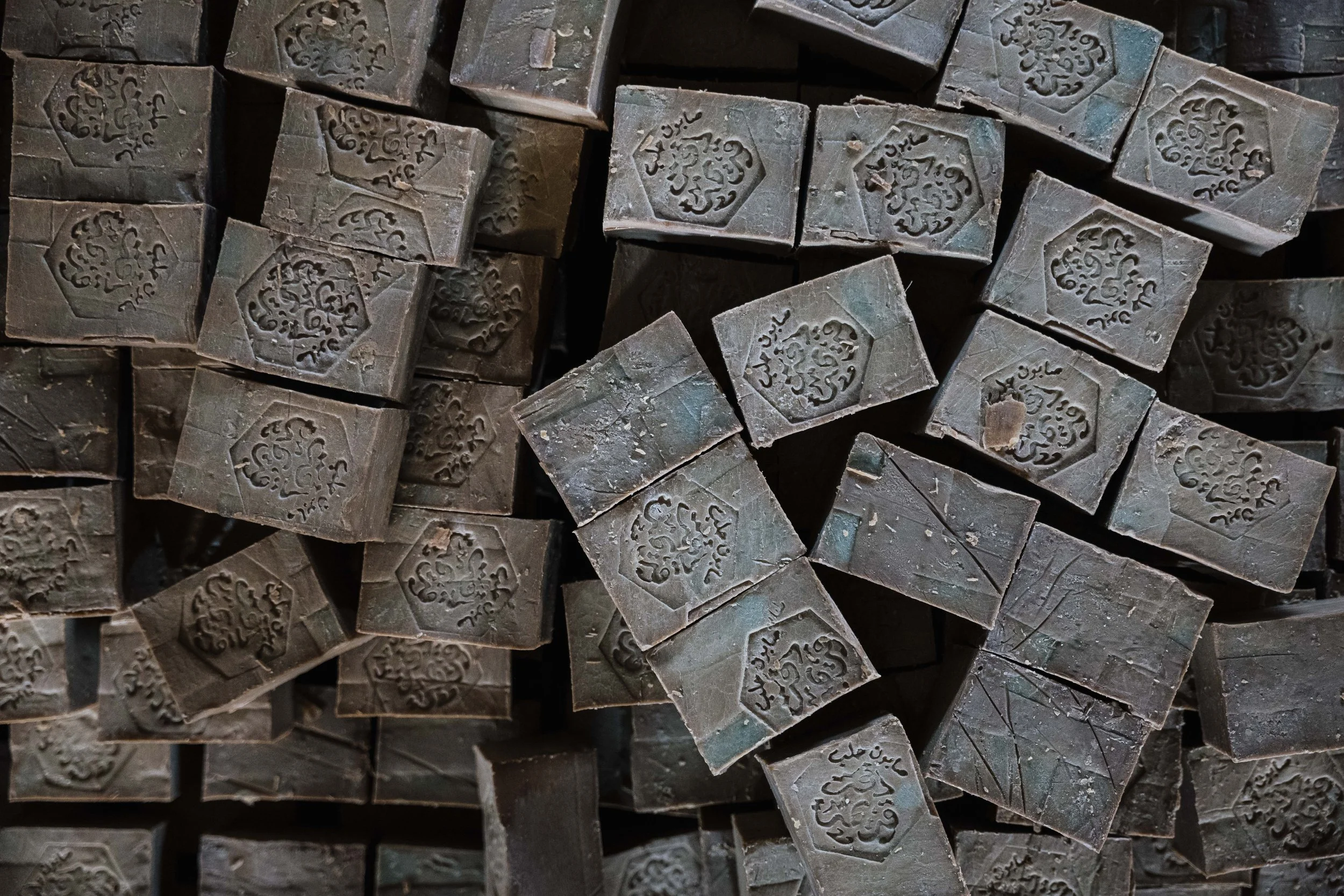
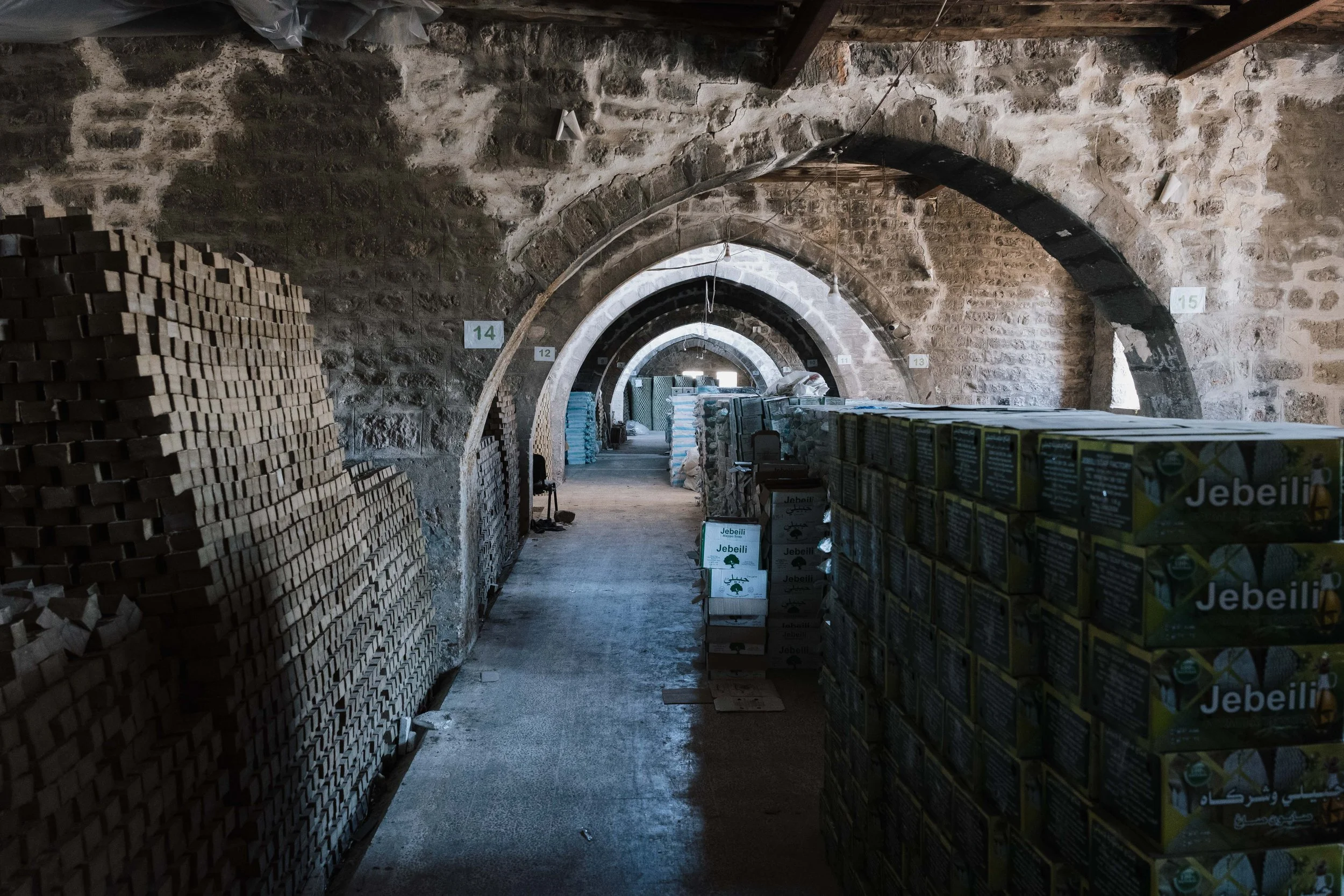
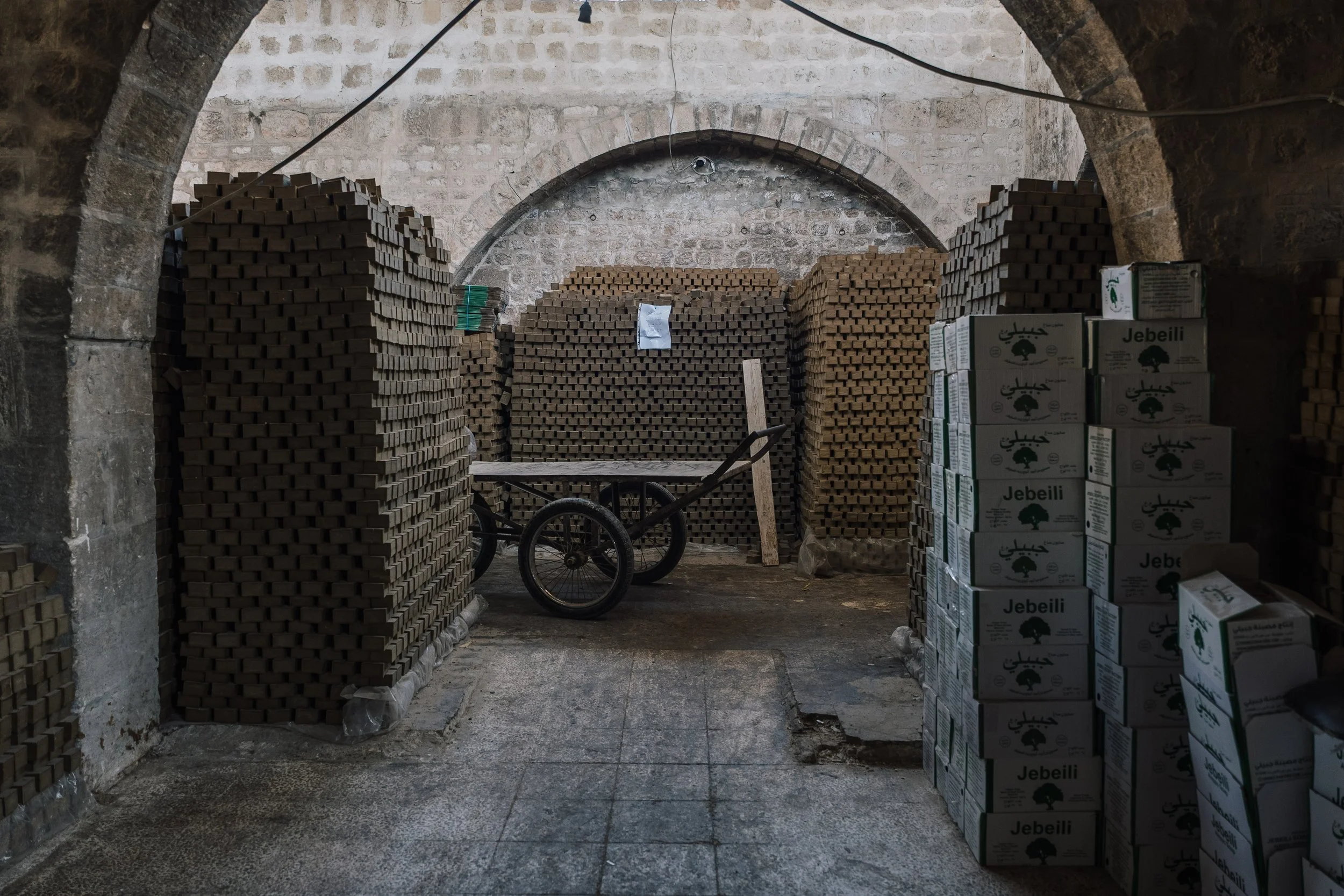
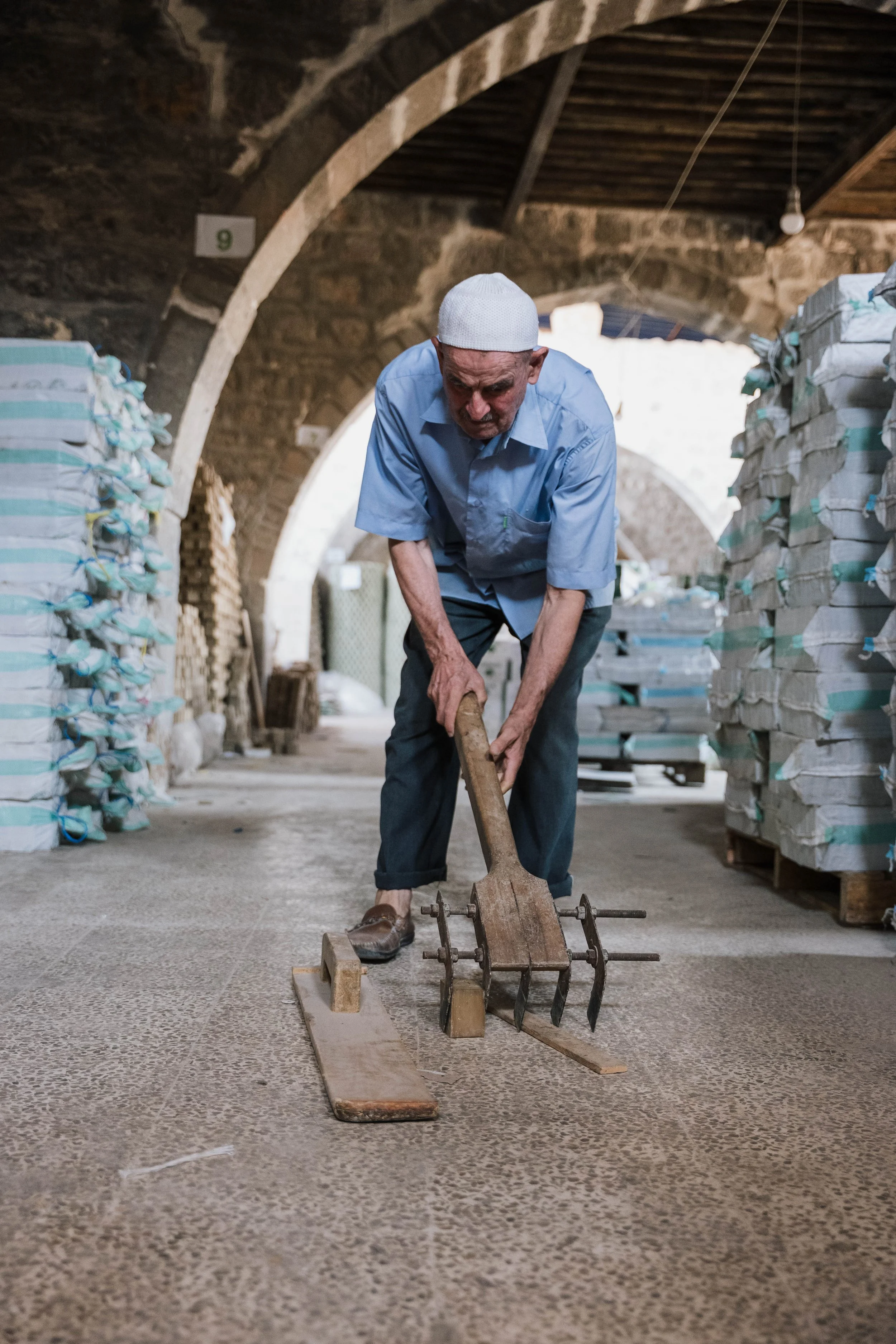
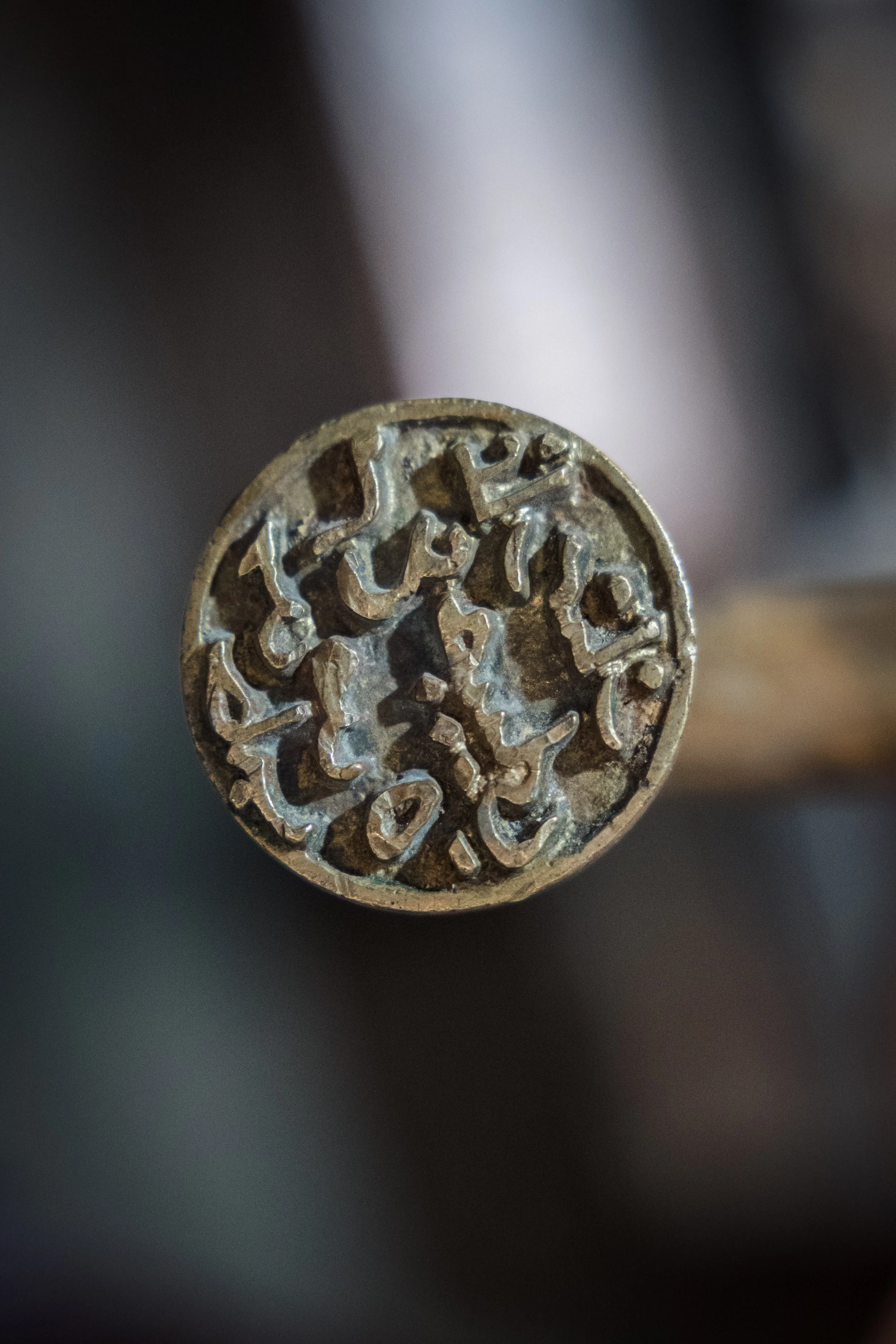
Aleppo is considered to be the place where soap first originated about 2,000 years ago. Aleppian soap is still made using a traditional recipe of olive oil, laurel berry oil, water, and lye, known for its natural, moisturising properties.
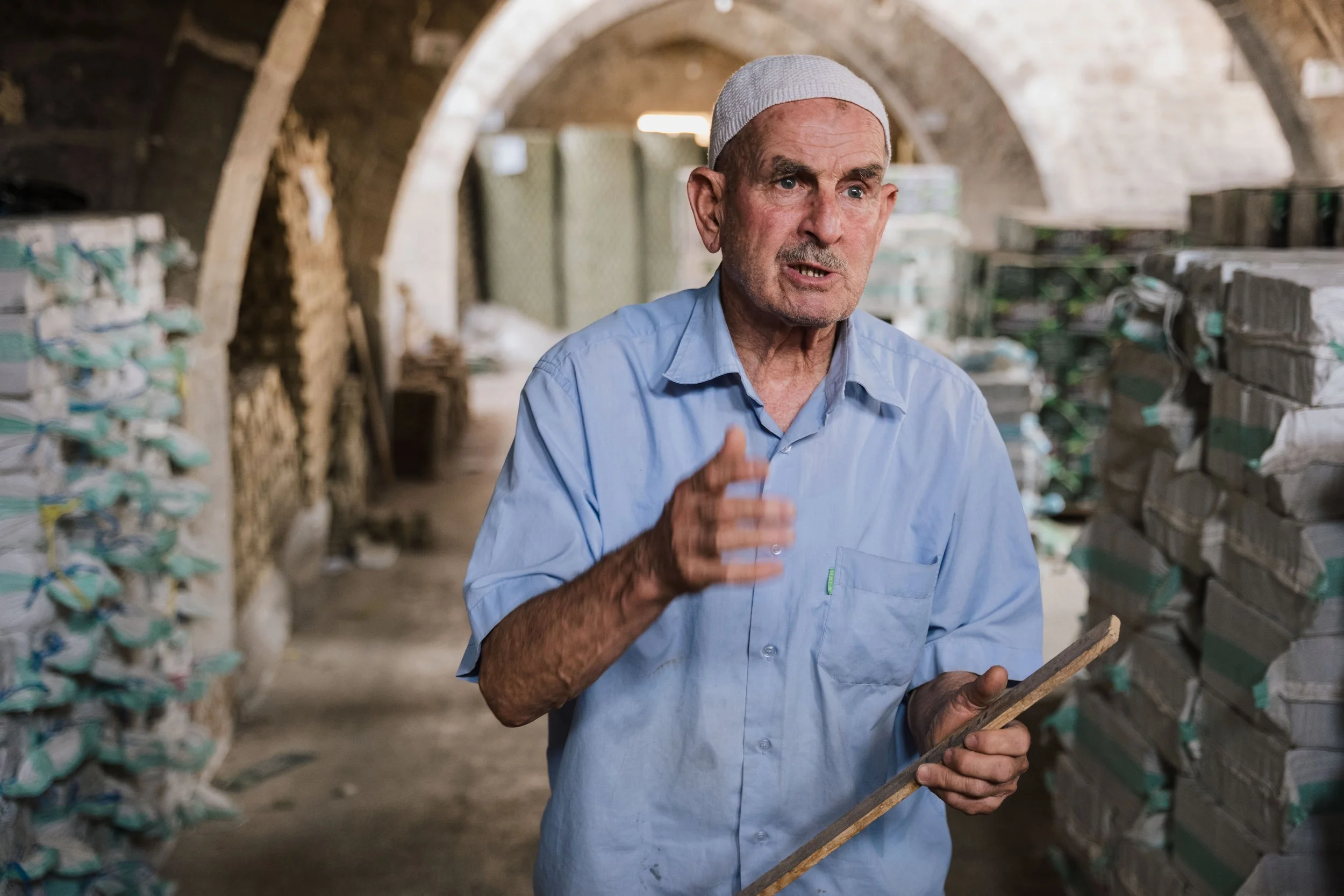
Nestled in the souk is the family run Jebeli soap factory, one of the city’s largest soap factories. Before the war, Jebeli produced a minimum of 150 tons each year which was exported all over the world. Today, the company produces only 25 tons of soap per annum.
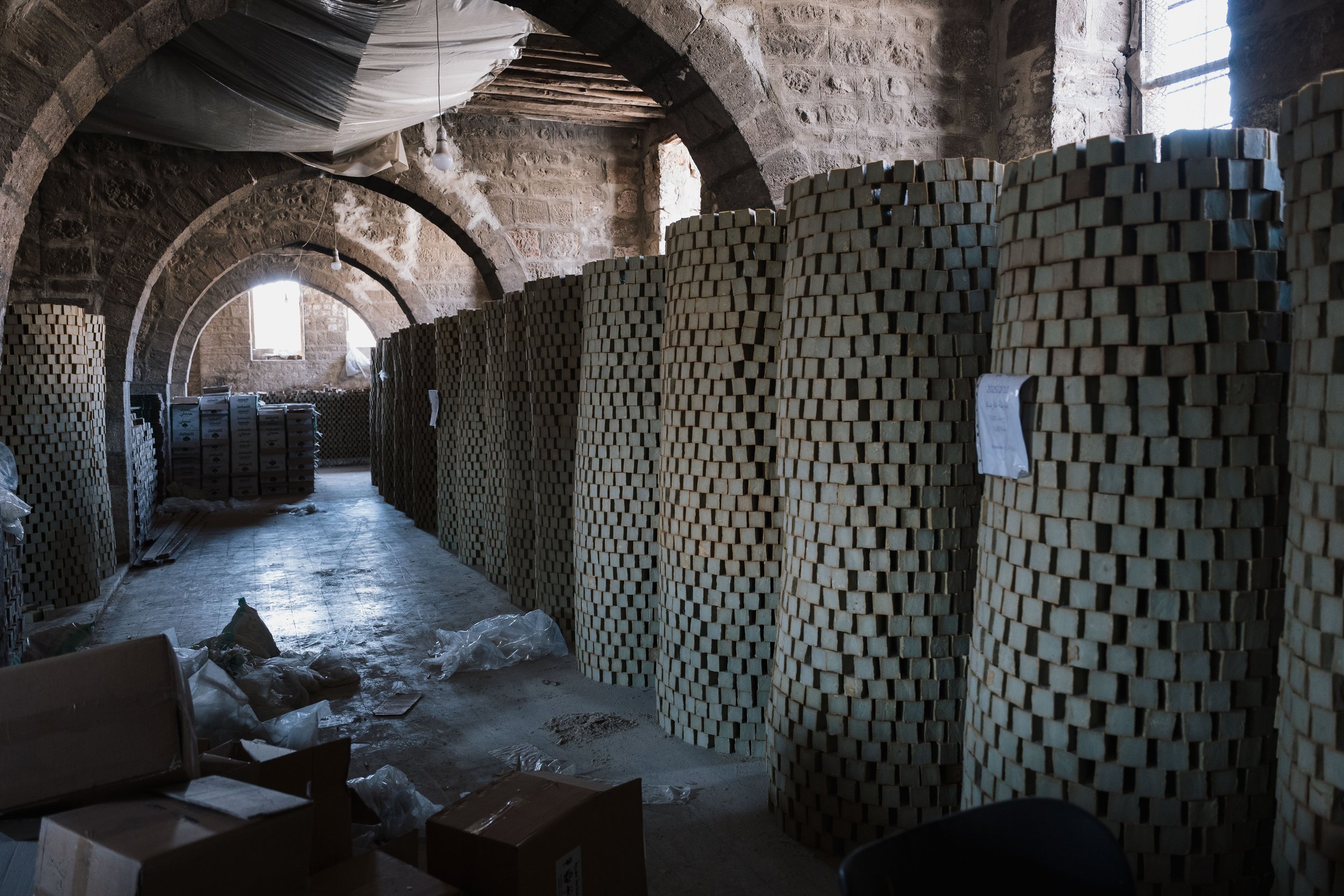
“In our culture, after a long week of work, everyone should buy a new soap
and clean themselves properly.”
Abdullah Qudemati, Manager of Jebeli Soap.
The Hammam
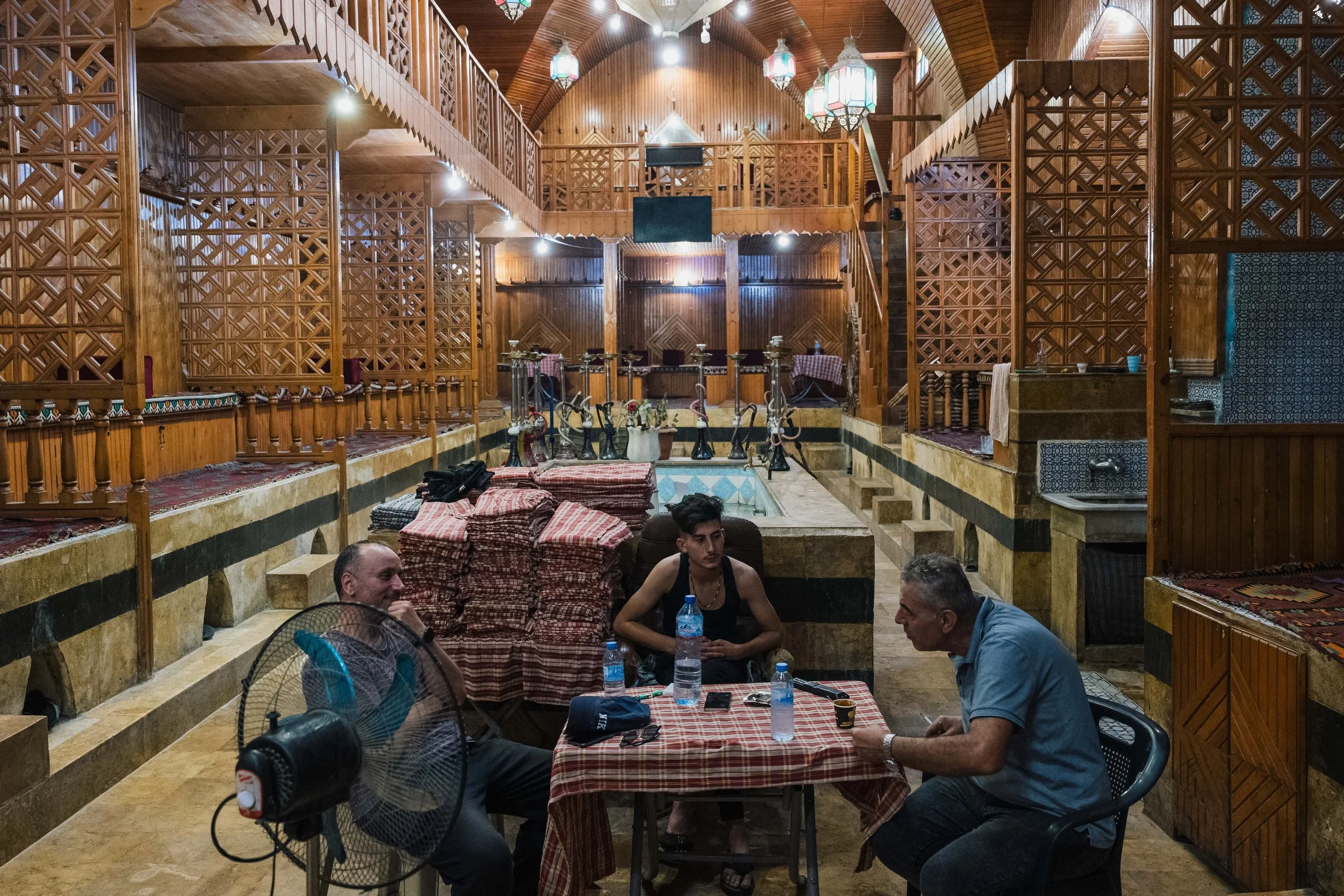
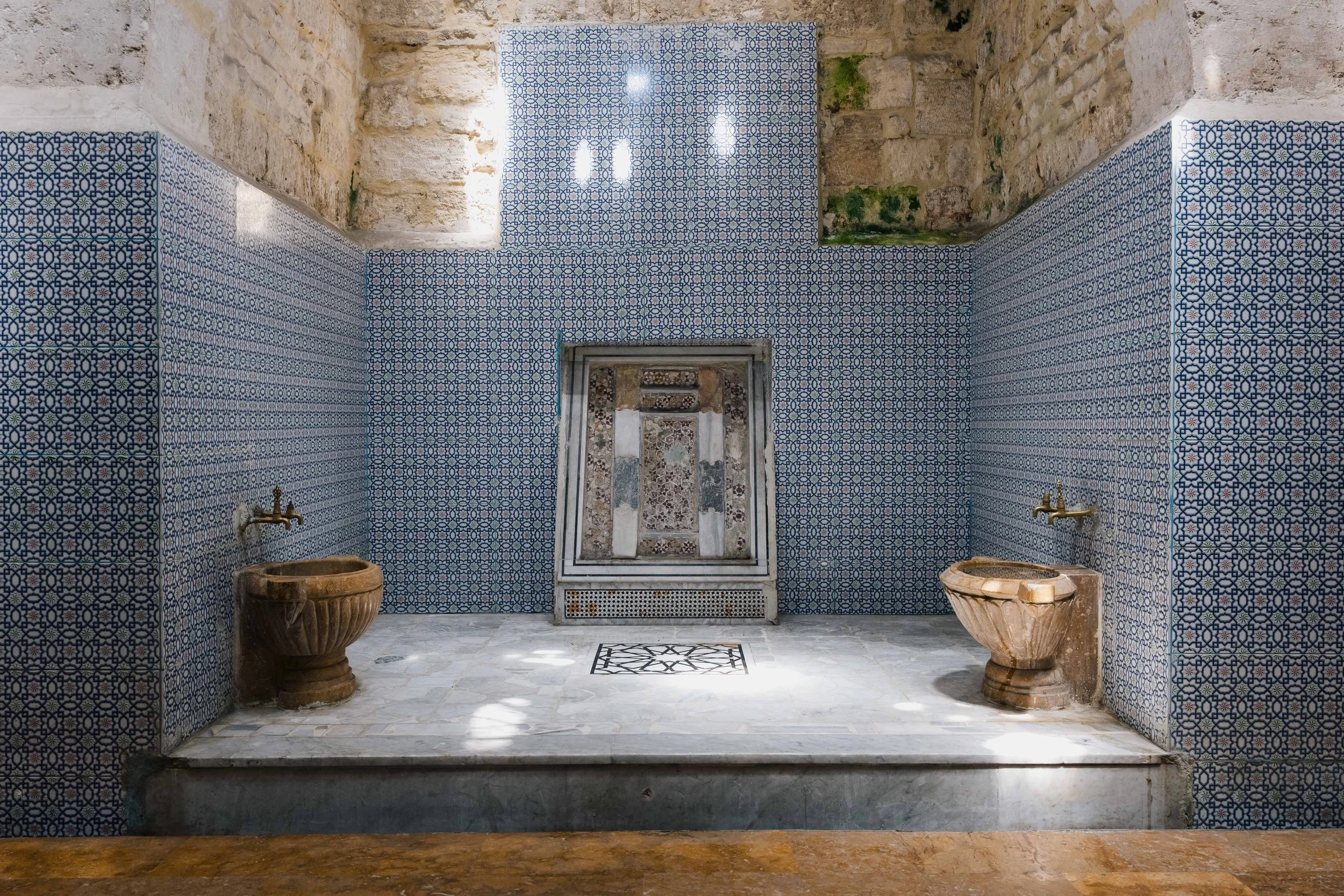
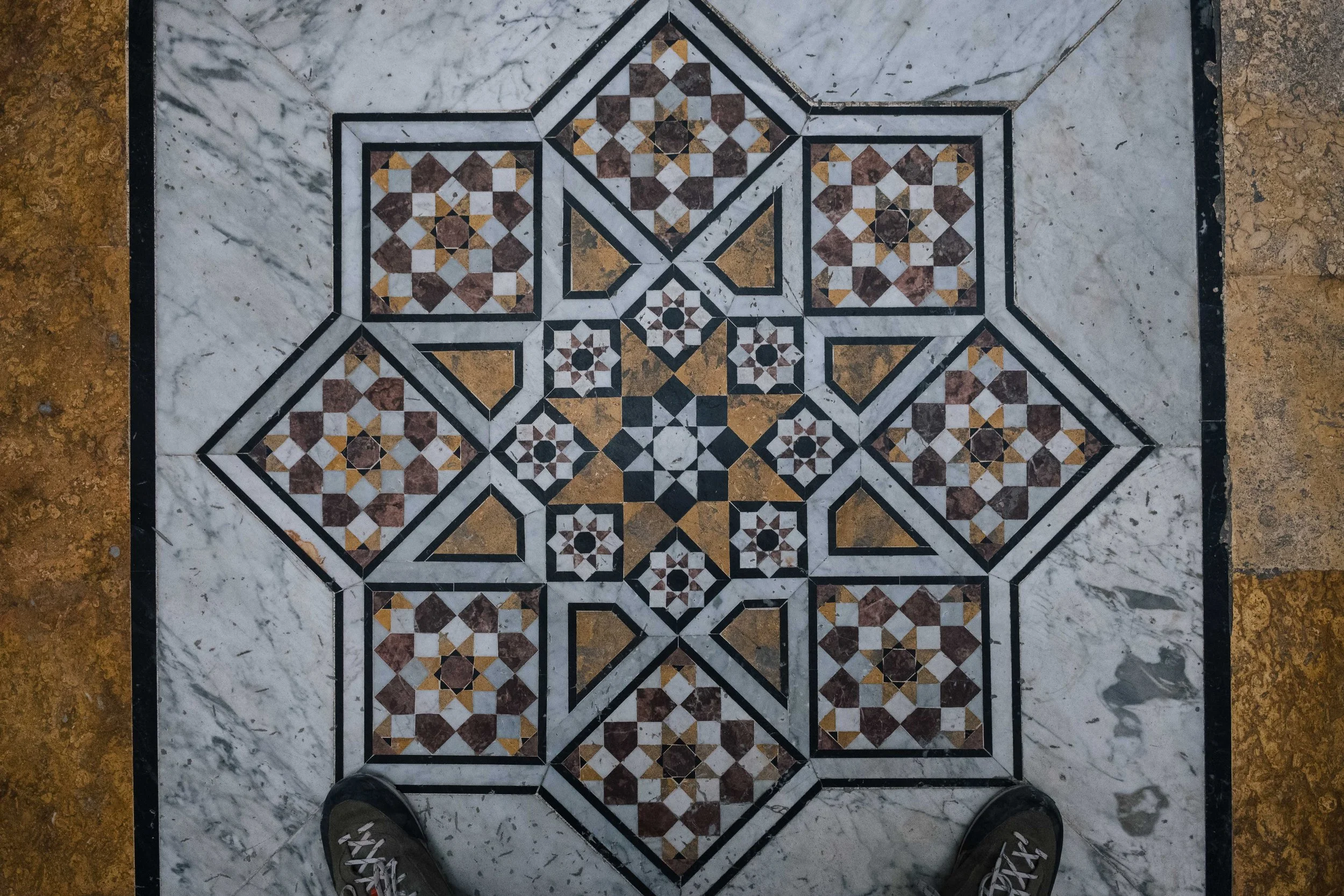
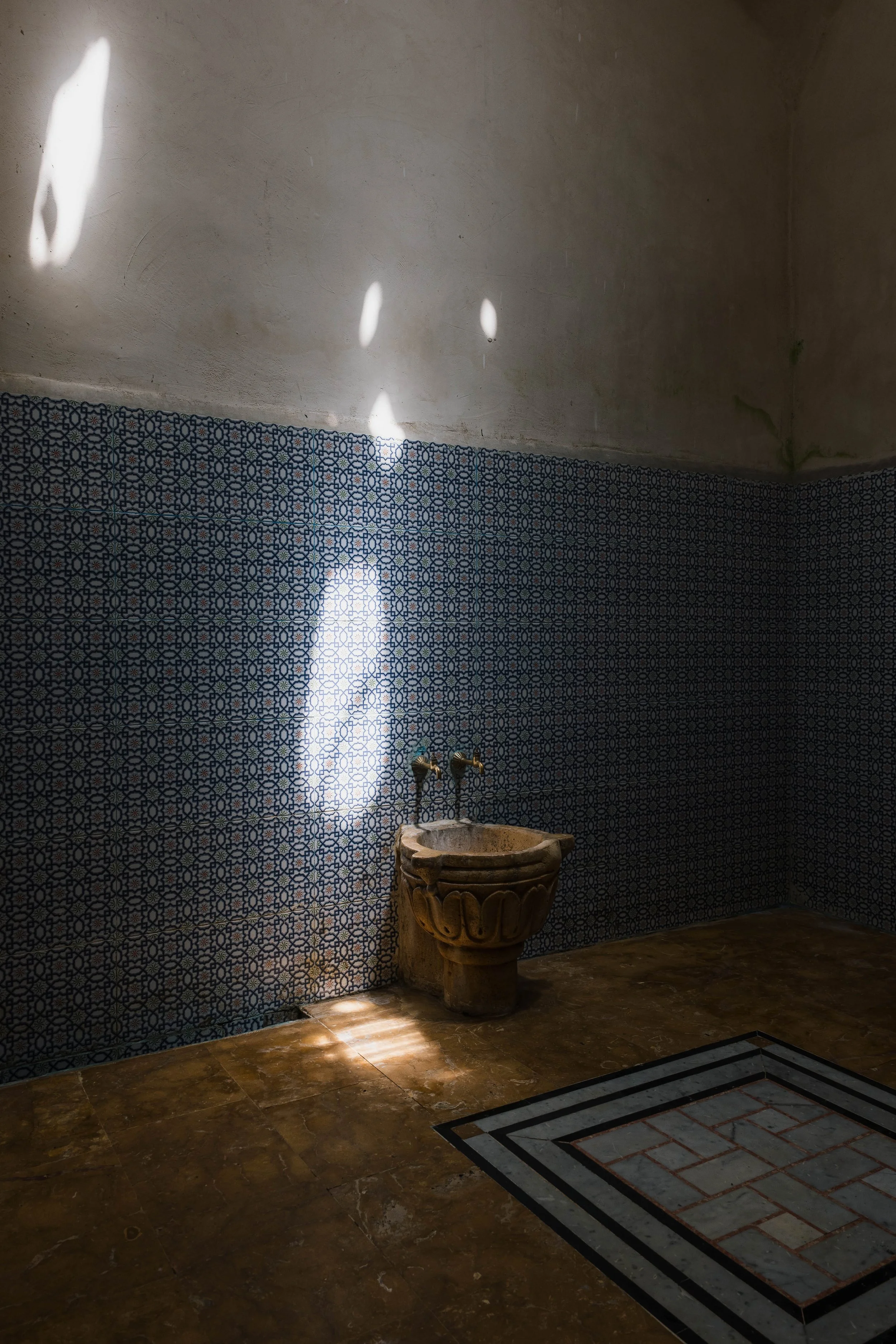
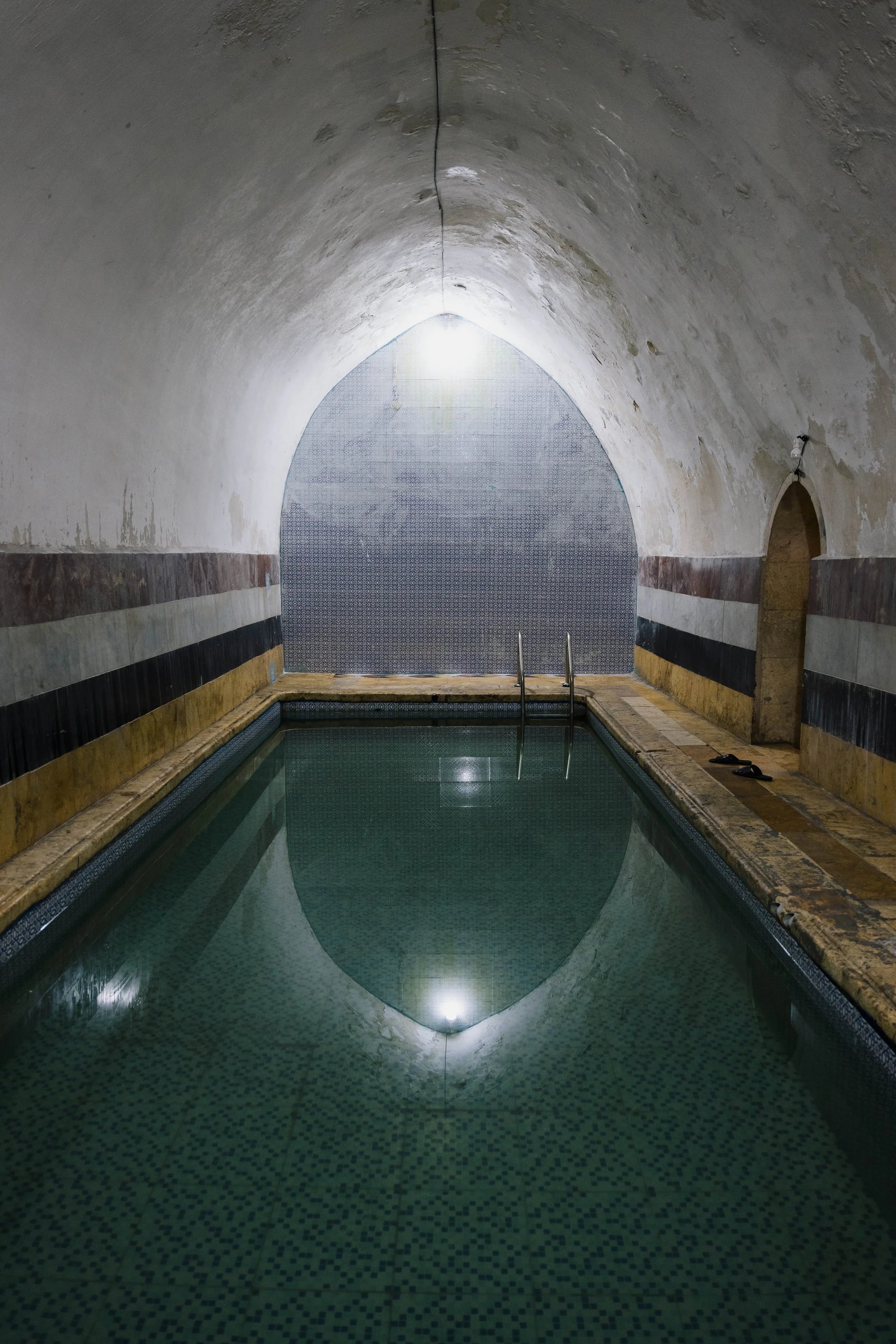
Through an innocuous doorway down one of the souks many corridors, and down a set of stairs, Aleppo’s Hammam al-Nahhasin opens up before you. It is one of the oldest and largest public baths in Aleppo.
Commissioned in the 12th century, it features distinct sections for warm and hot bathing, massage, and relaxation, with a specific section, Hammam as-Sitt, for women. Many Aleppians still use the hammam to wash and as a place to socialise just as their forebears have for centuries.
Food and drink
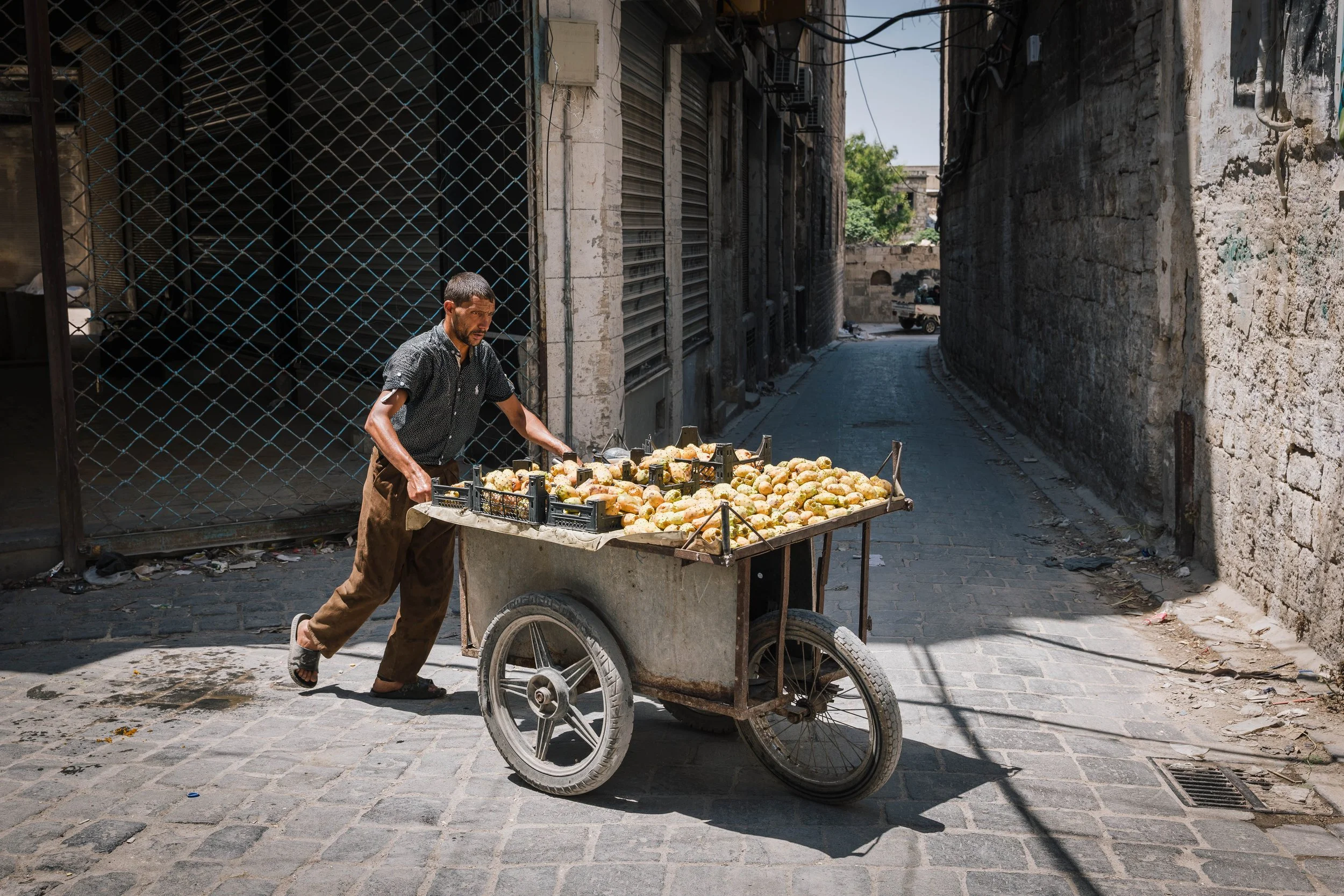
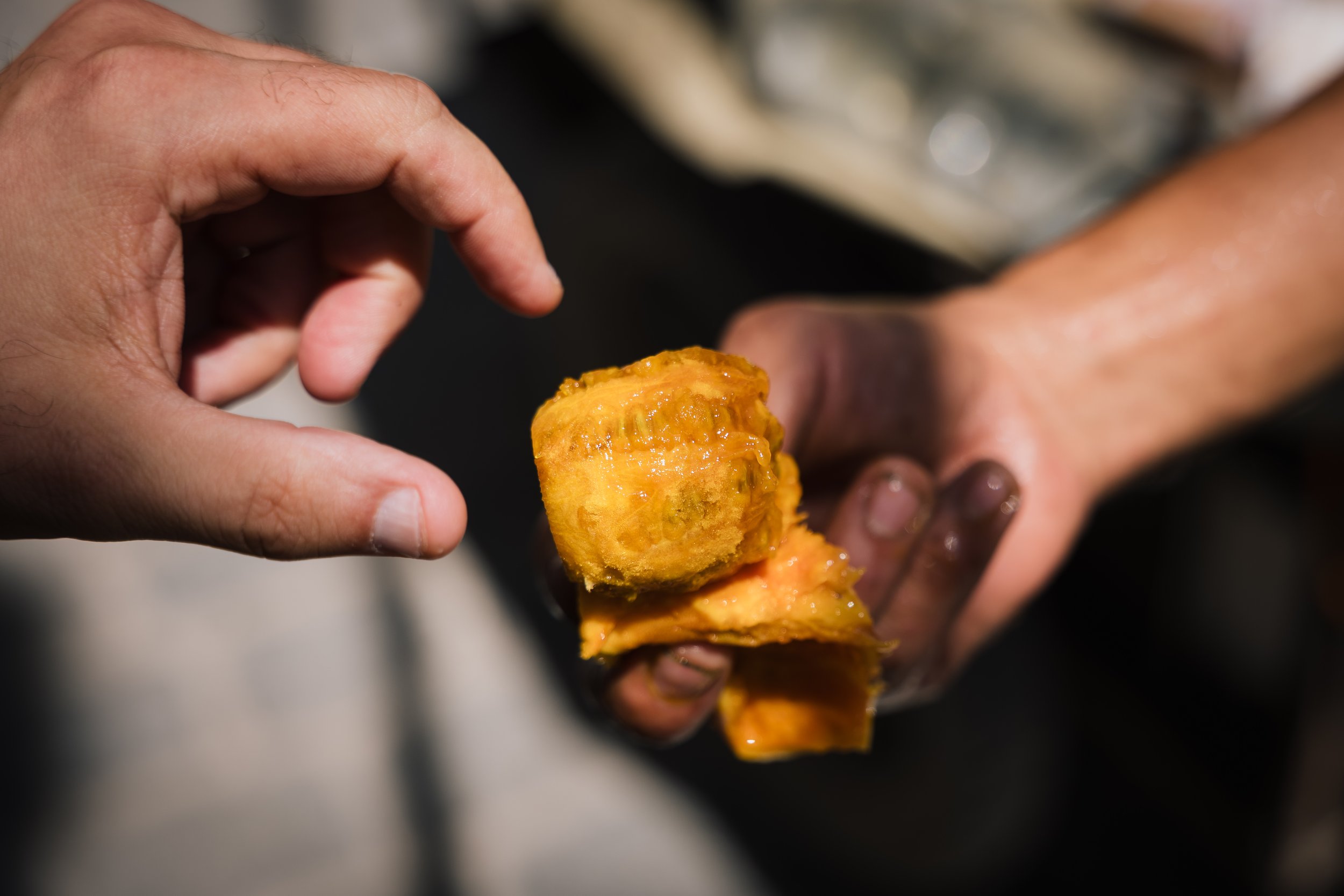
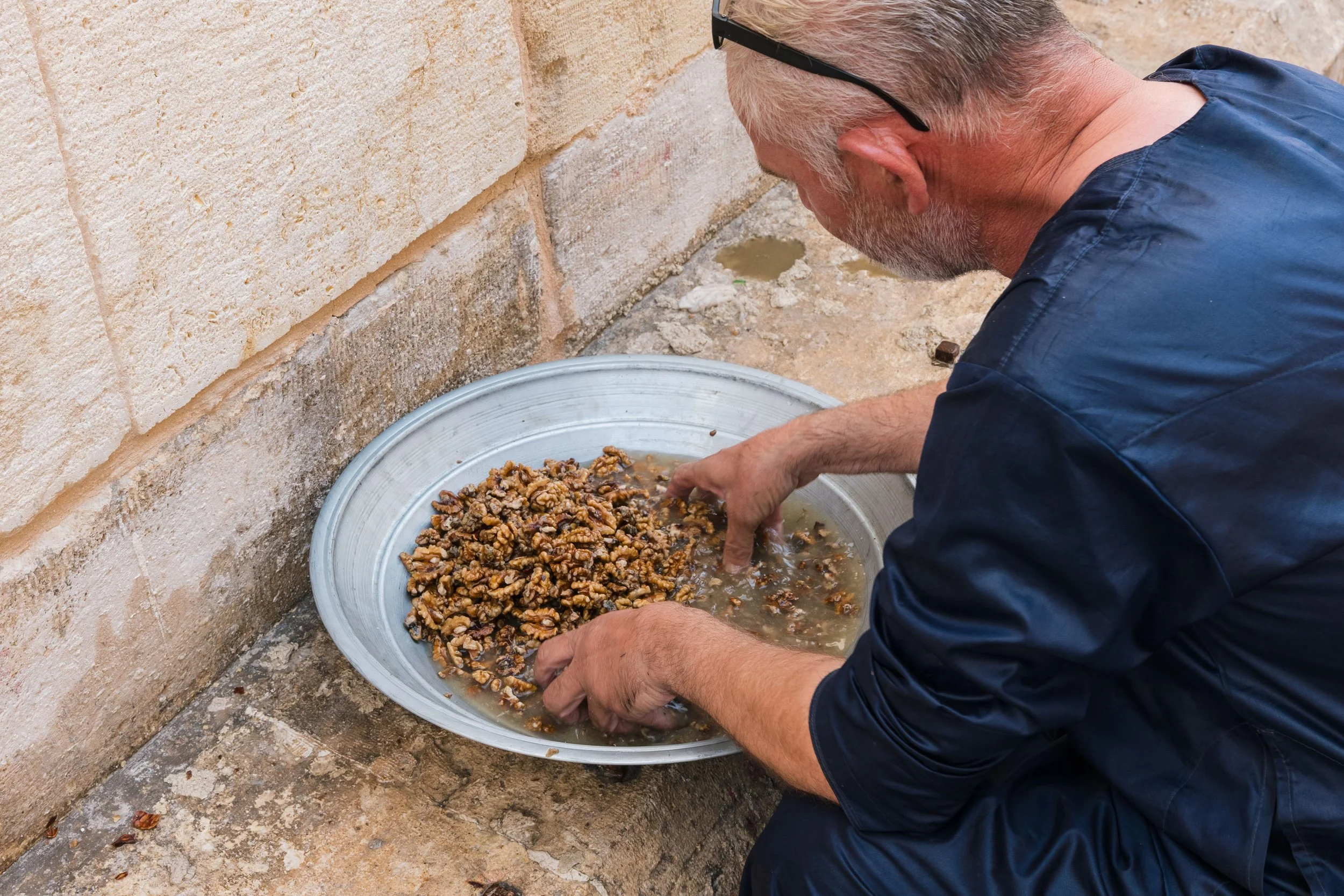
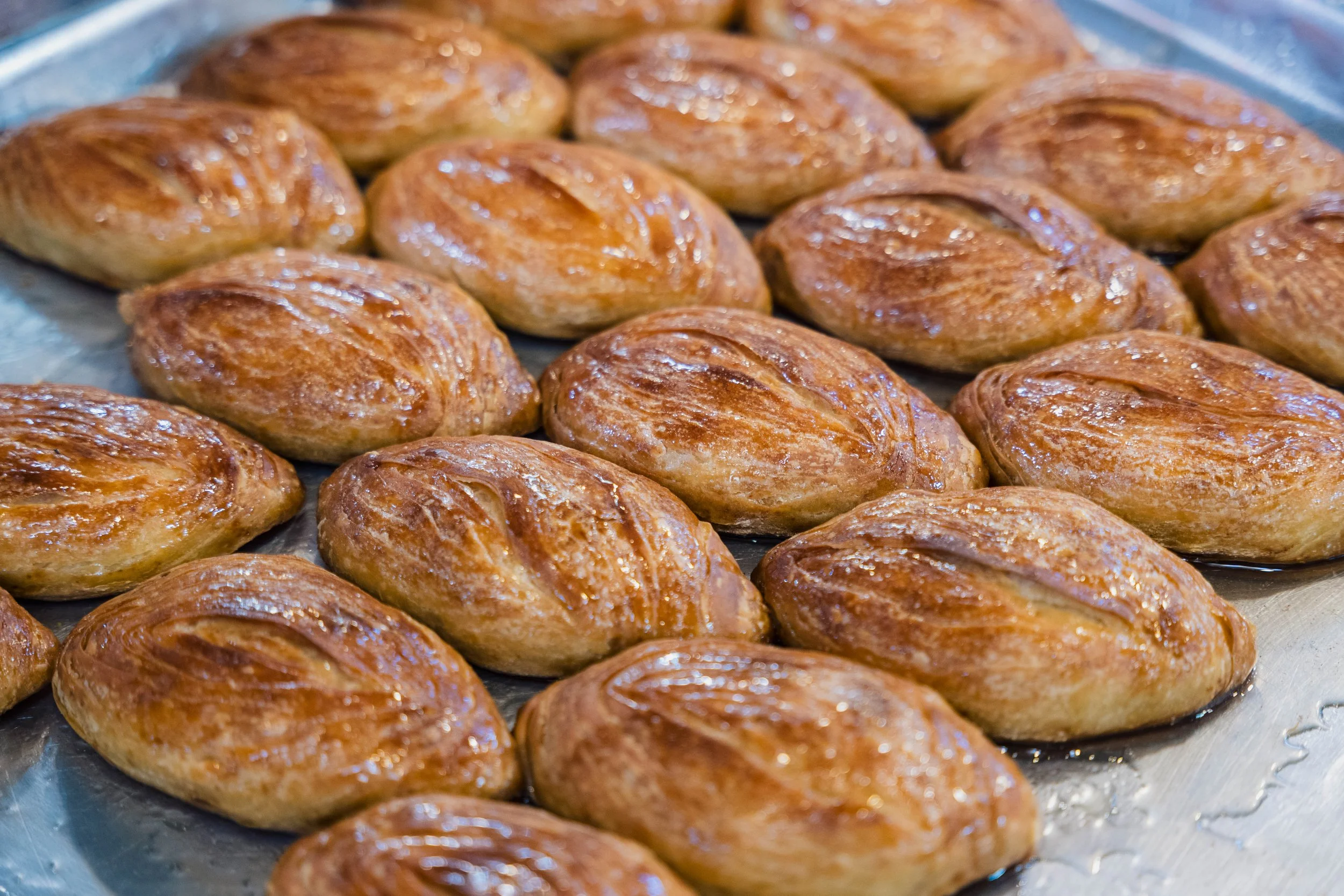
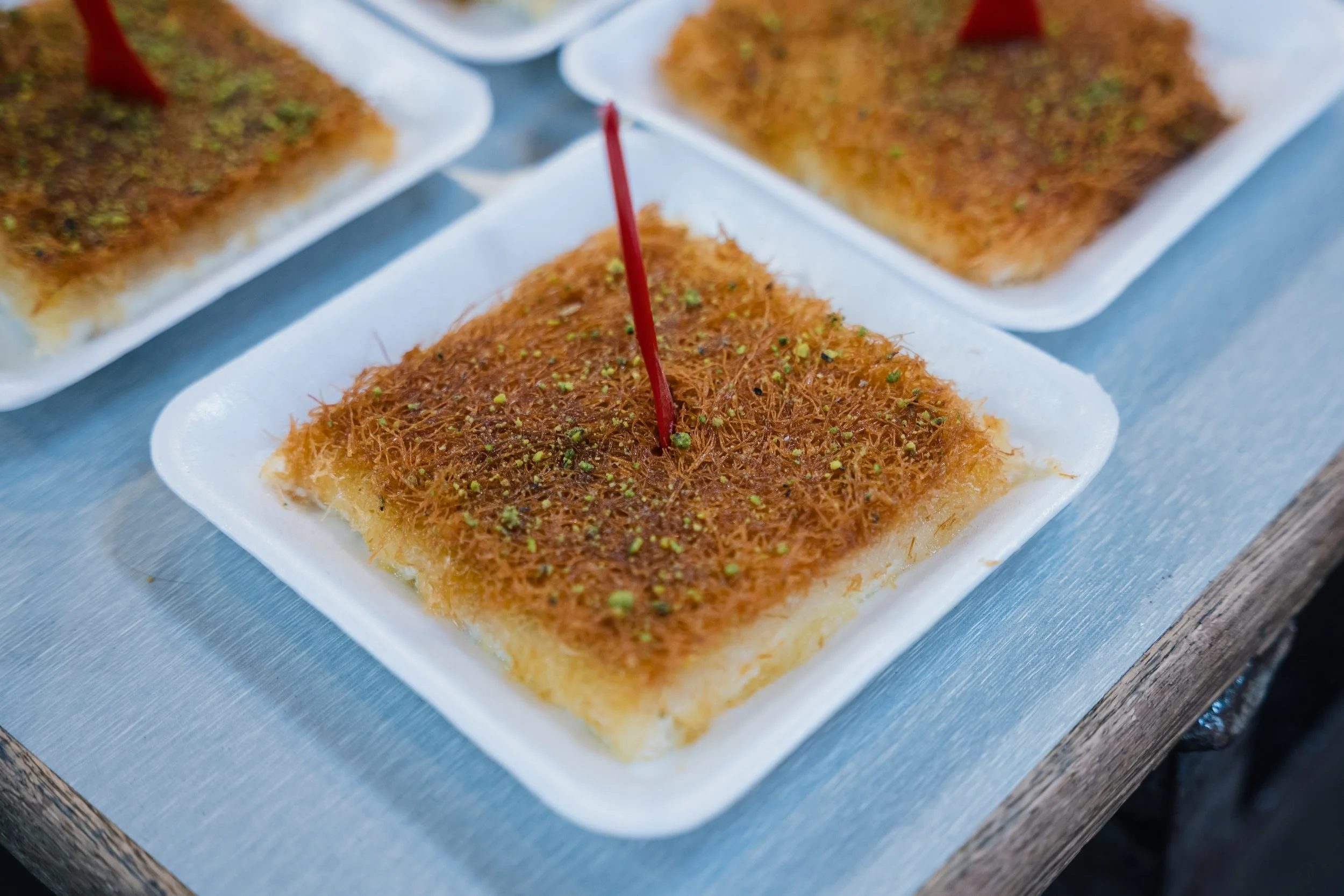
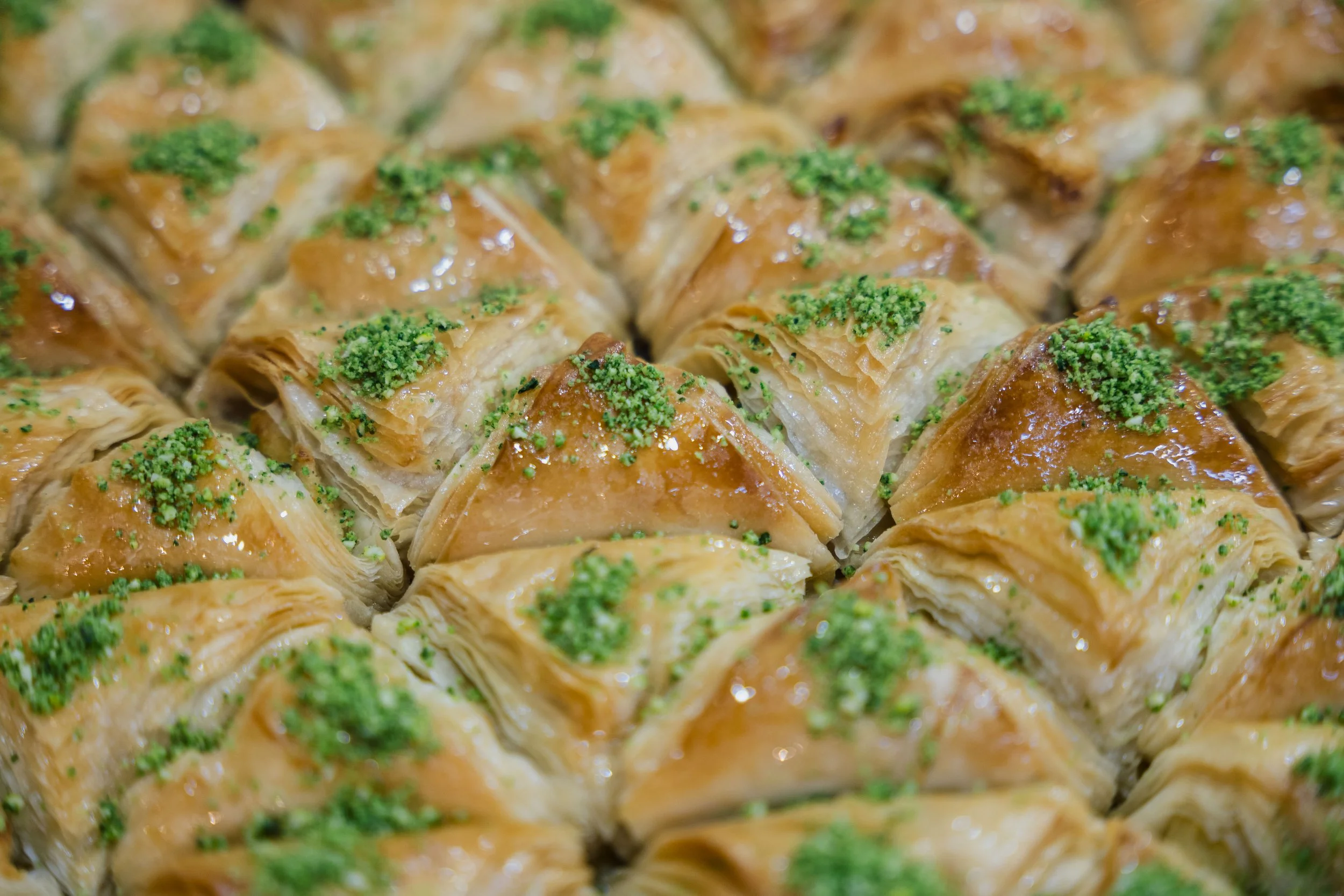
From aromatic coffee infused with cardamom to fresh fruit and vegetables, and an abundance of spices, nuts and sweet treats, the food and drink on offer in Aleppo’s souk offers both an exquisite culinary experience and a journey through time.
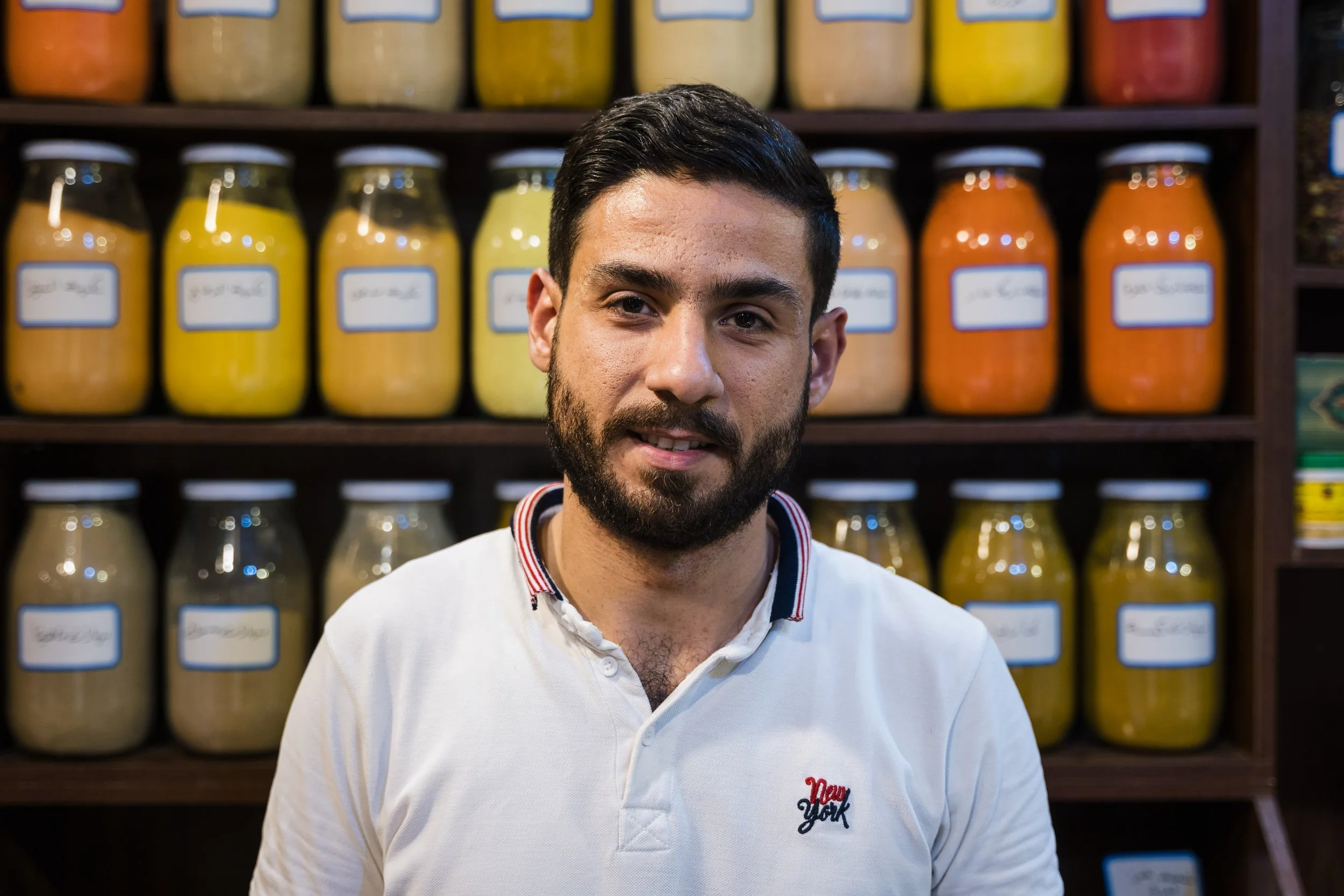
“I think the souk will return as it was before. And better.”
Ammad Qaynouz, engineer and part-time shopkeeper