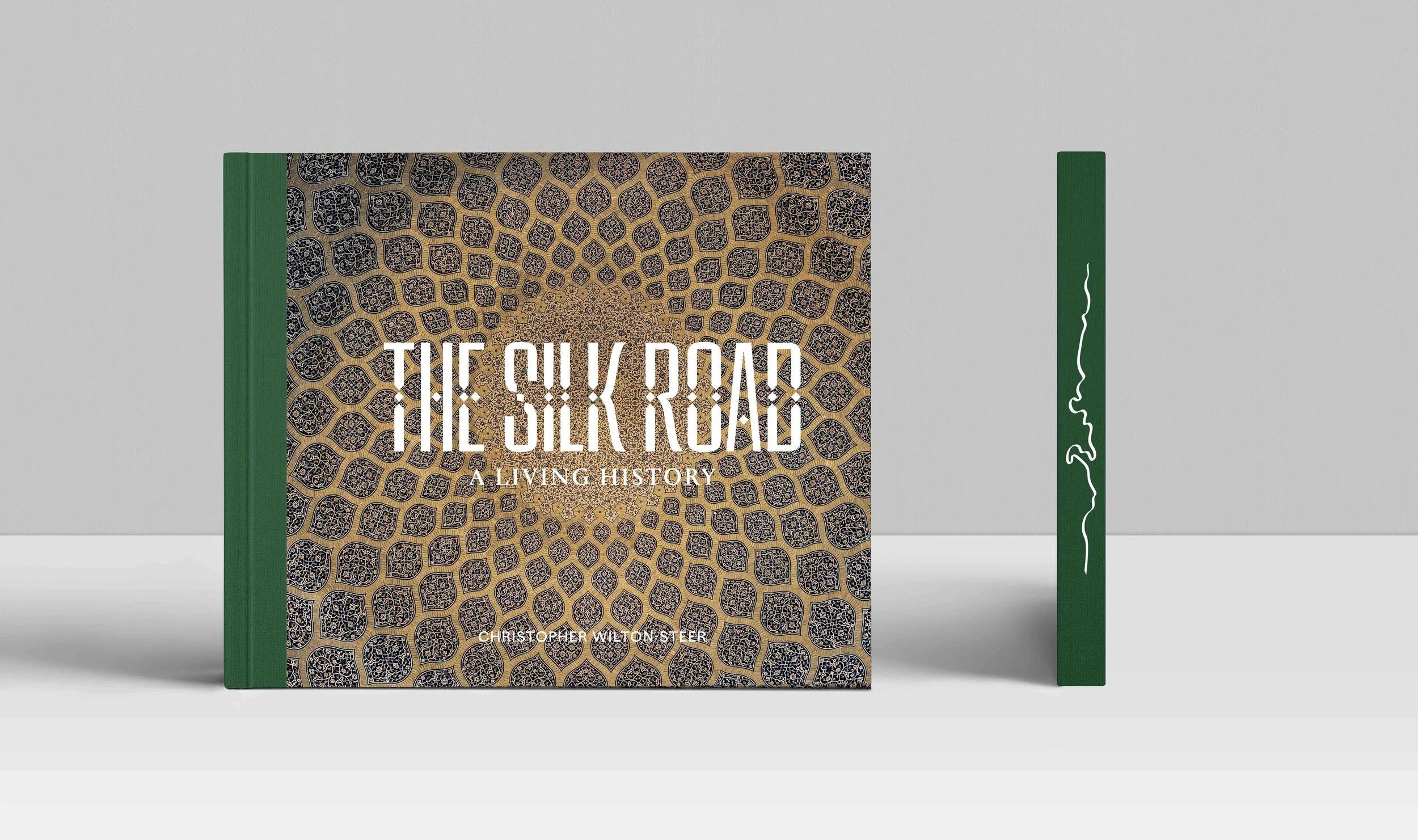
Book Launch - The Silk Road: A Living History
I am delighted to announce the launch of my new book - The Silk Road: A Living History. The book will be available for pre-order in April/May and will ship in September.
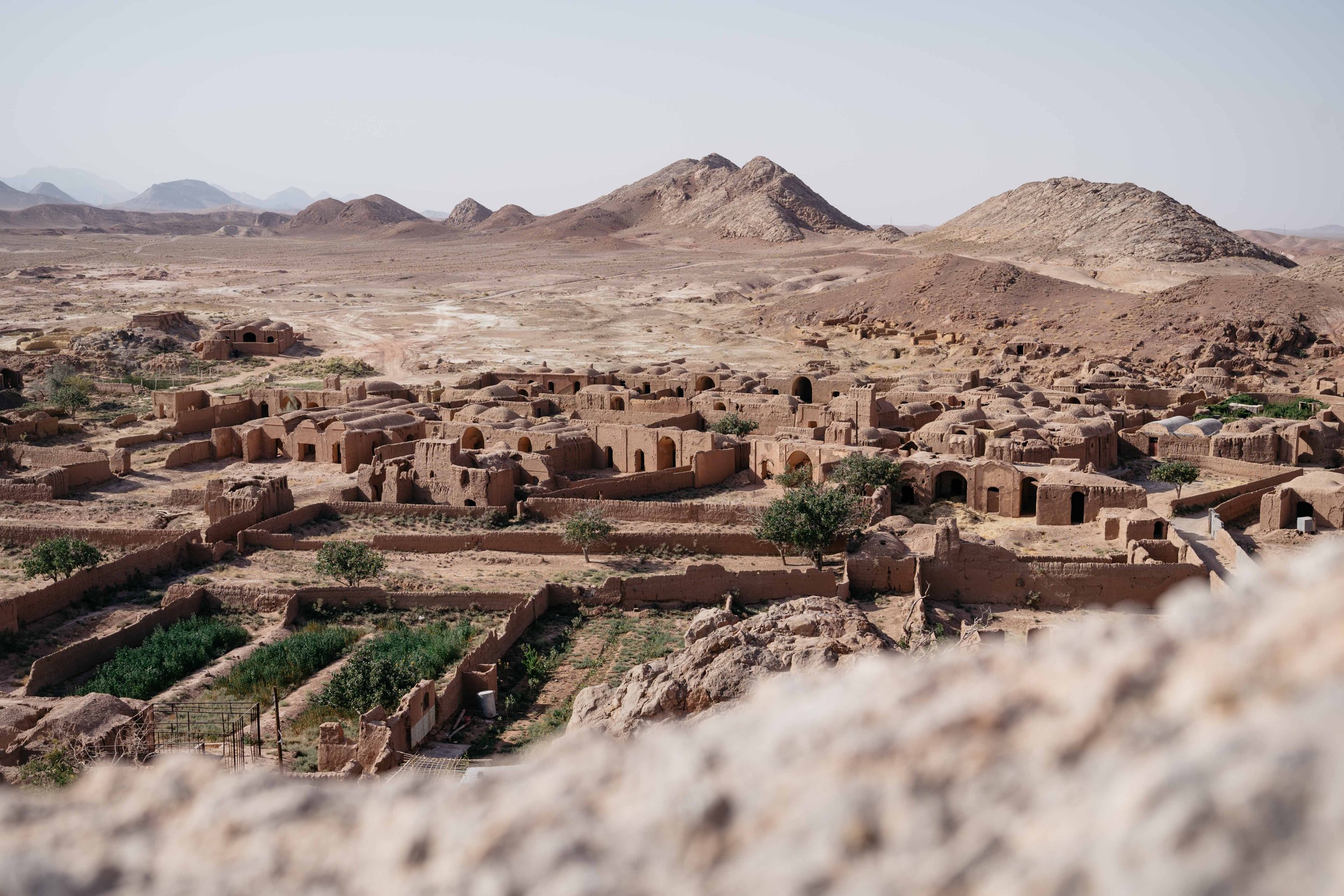
Deyhouk, a dream of rebuilding the past
In the east of Iran, between the Lut desert in the south and Mashad in the north, lies the abandoned town of Deyhouk. After an earthquake in 1978, everyone left the town except for one person.
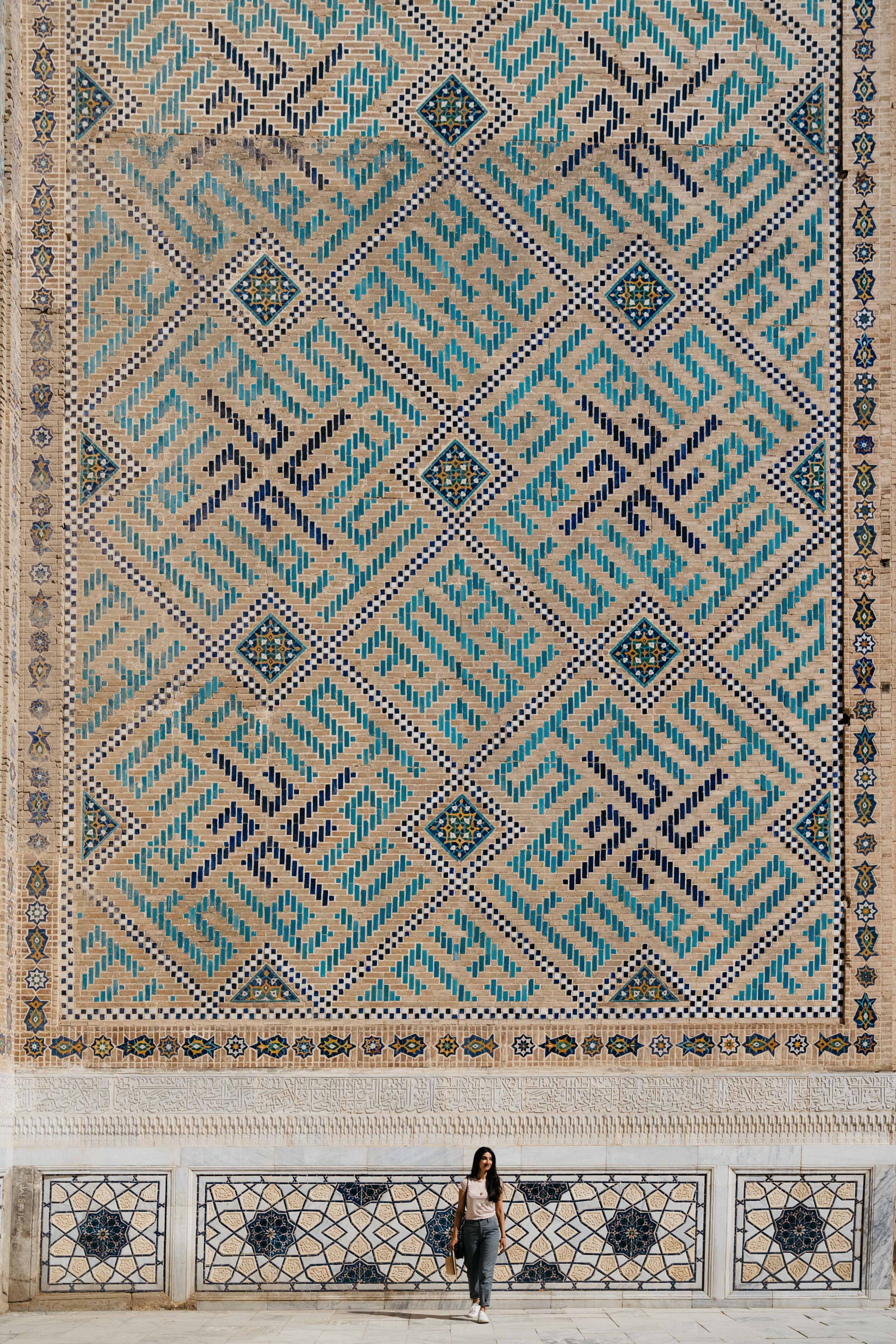
A walk around Samarkand
Some shots from a few days walking around the capital of the Timurid Empire.
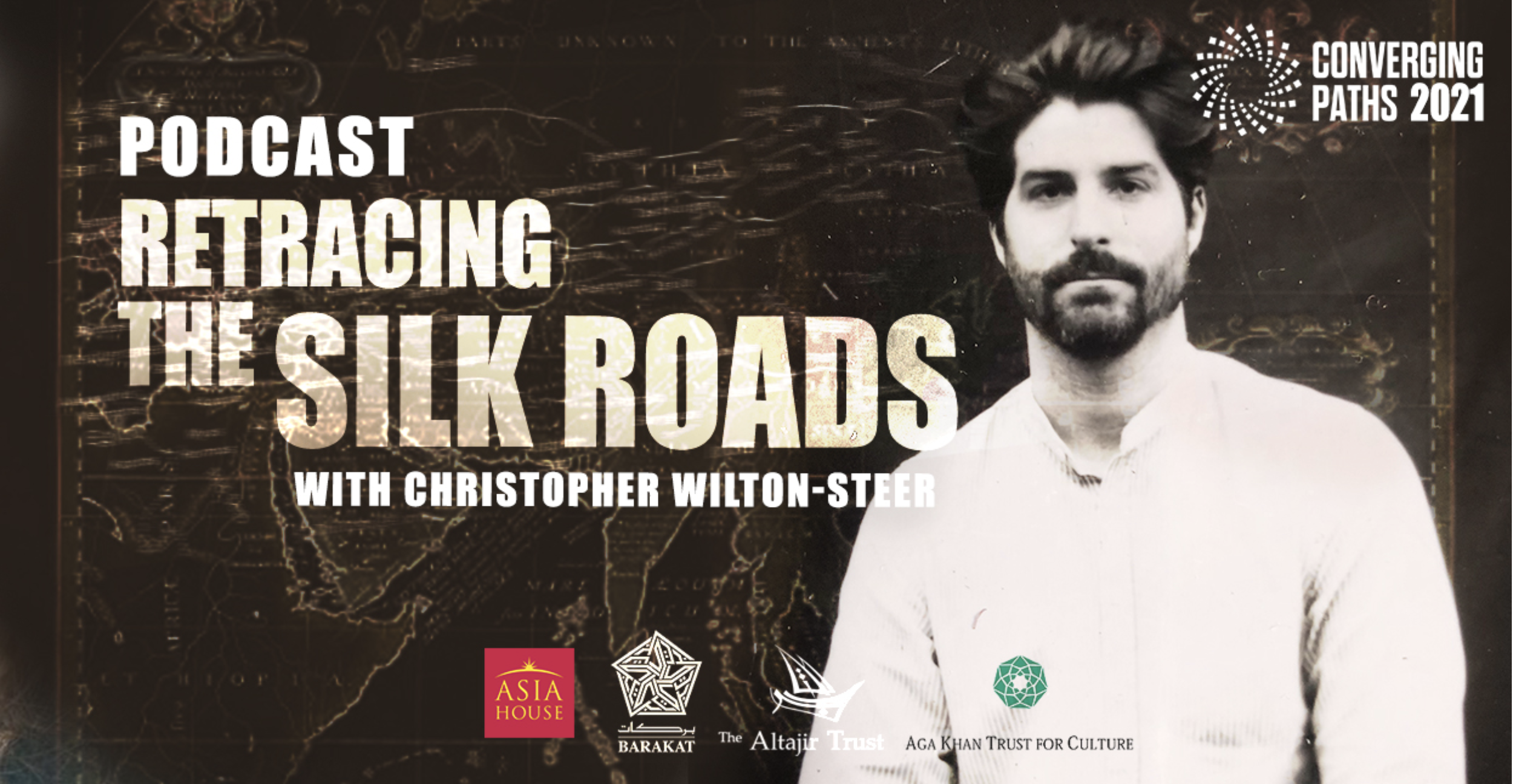
Retracing the Silk Roads - podcast
I was kindly invited by The Barakat Trust and Asia House to speak on this podcast about my journey across Eurasia and about the work of the Aga Khan Development Network that I witnessed en route.
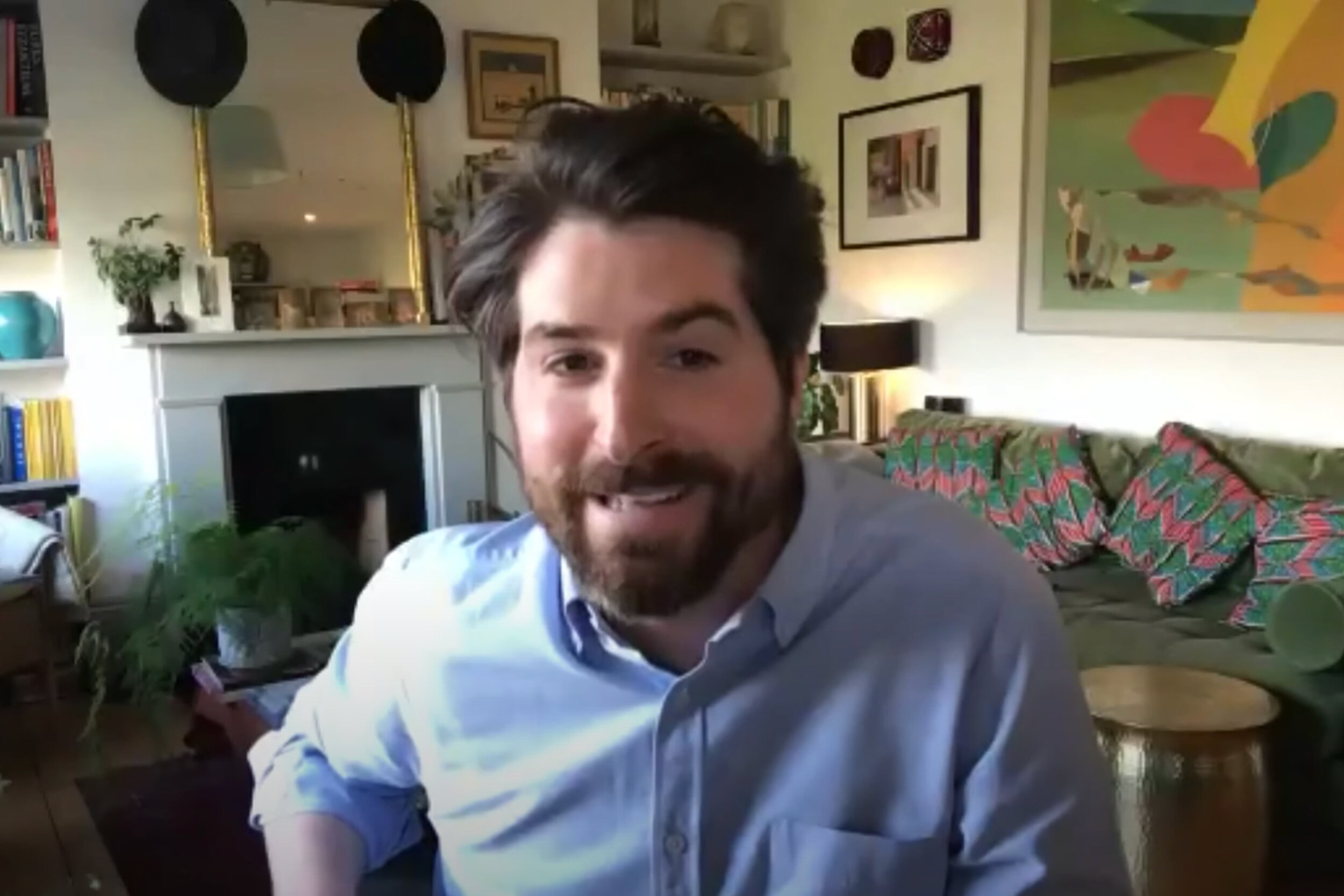
Travelling the Silk Road: From London to Beijing - a talk
Over a period of four months in 2019, I travelled 40,000km overland by car, bus, train, ferry, horse and camel from London to Beijing traversing sixteen countries.
In this talk, I share my experiences of the varied people, places and cultures I encountered and speak about the work of the Aga Khan Development Network along this most celebrated of trade routes.
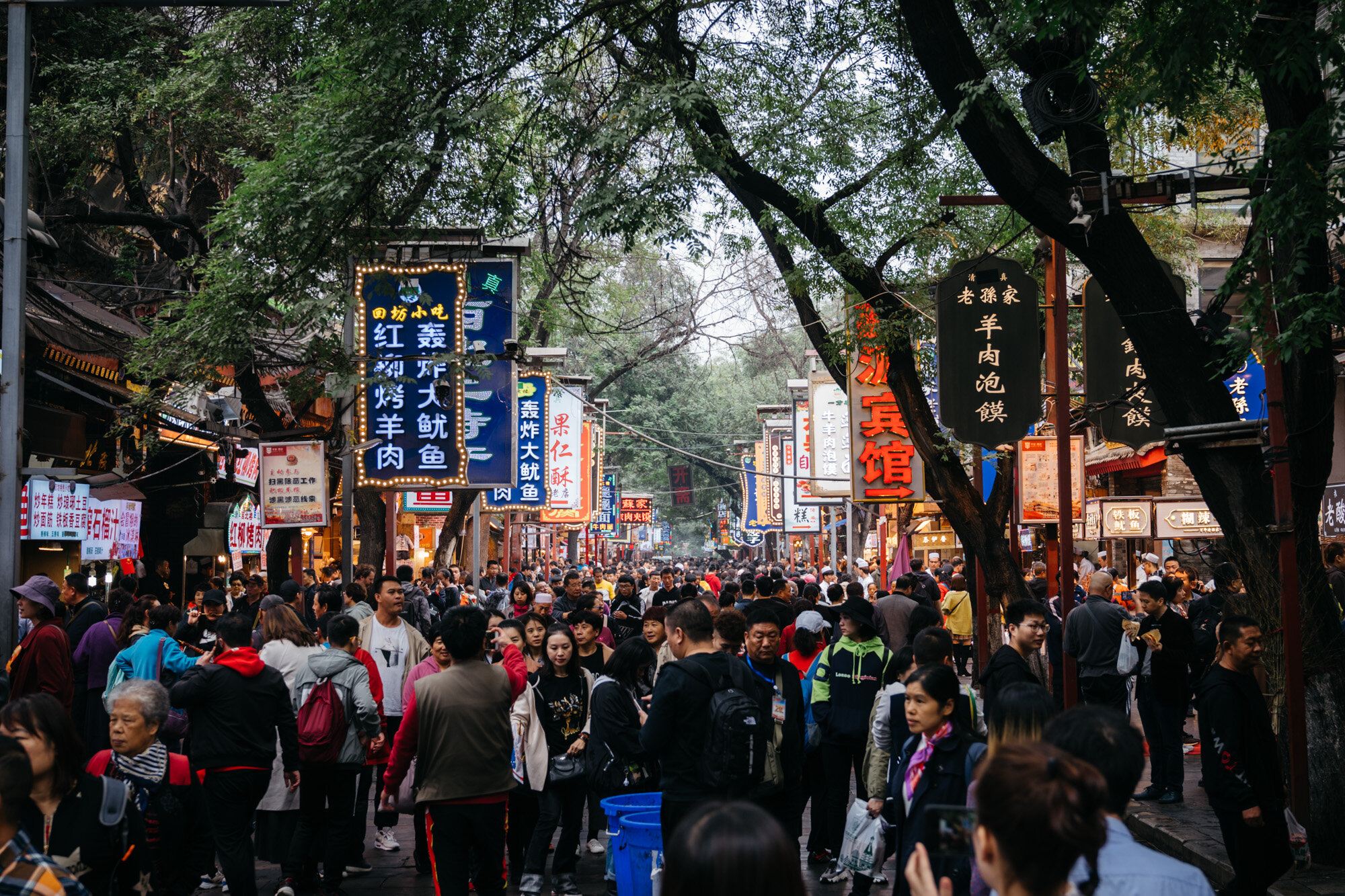
The Muslim Quarter of Xi’an
Over the centuries, many Muslims travelled eastwards and ended up settling in Xi’an creating the Muslim Quarter. This area contains numerous eateries serving Central Asia food and is visited by both locals and tourists alike. It’s also home to China’s oldest mosque.
‘The Silk Road: A Living History’ exhibition
An open-air exhibition documenting my 40,000km journey along the world’s most celebrated trade route. 8 April - 16 June, Granary Square, King’s Cross, London.
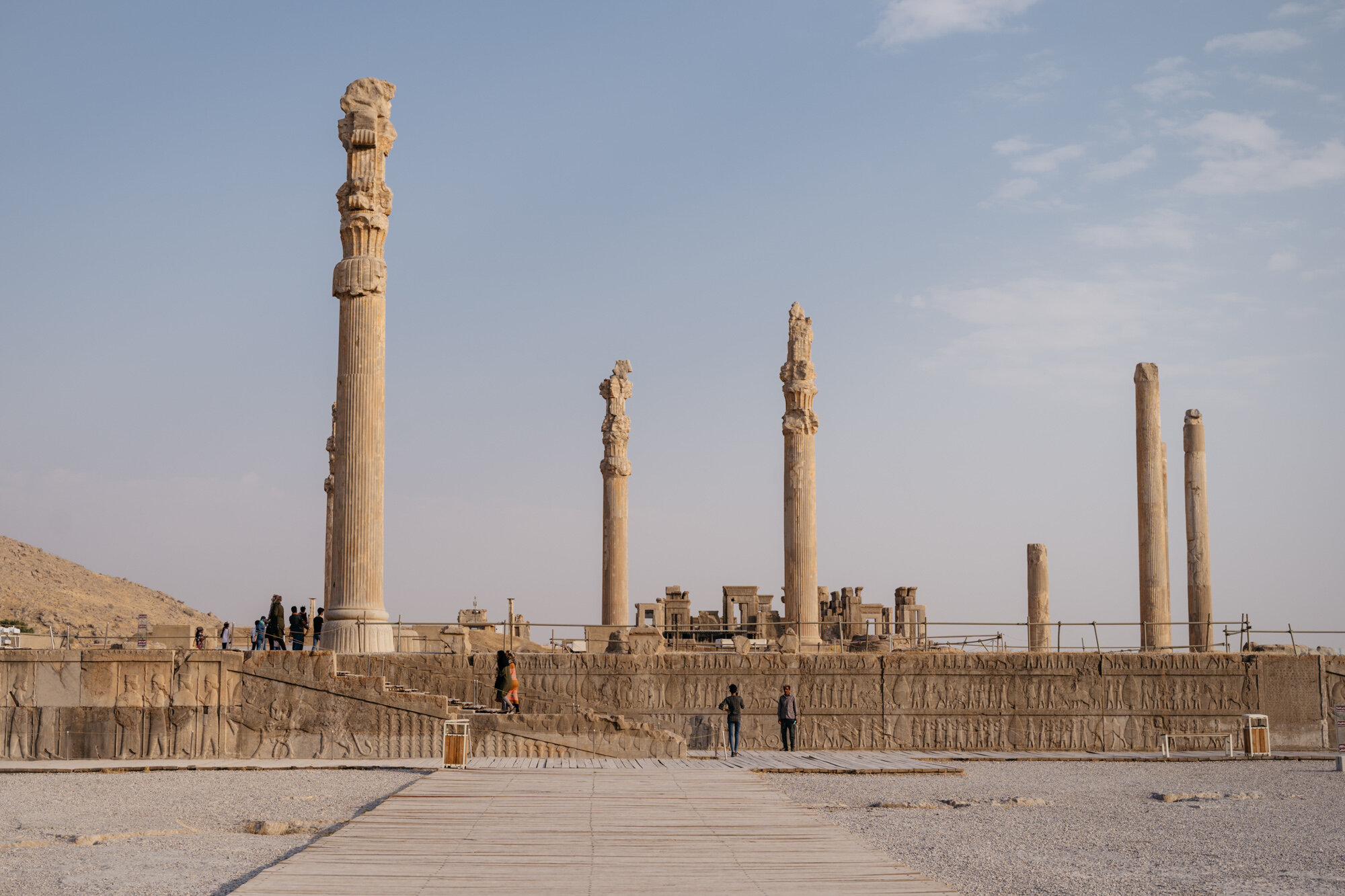
Persepolis, 1st century capital of the world
Not far from Shiraz in southern Iran lie the ruins of Persepolis, the capital of the Achaemenid Empire (550–330 BC); the first great Persian empire that ruled over 44% of the ancient world.
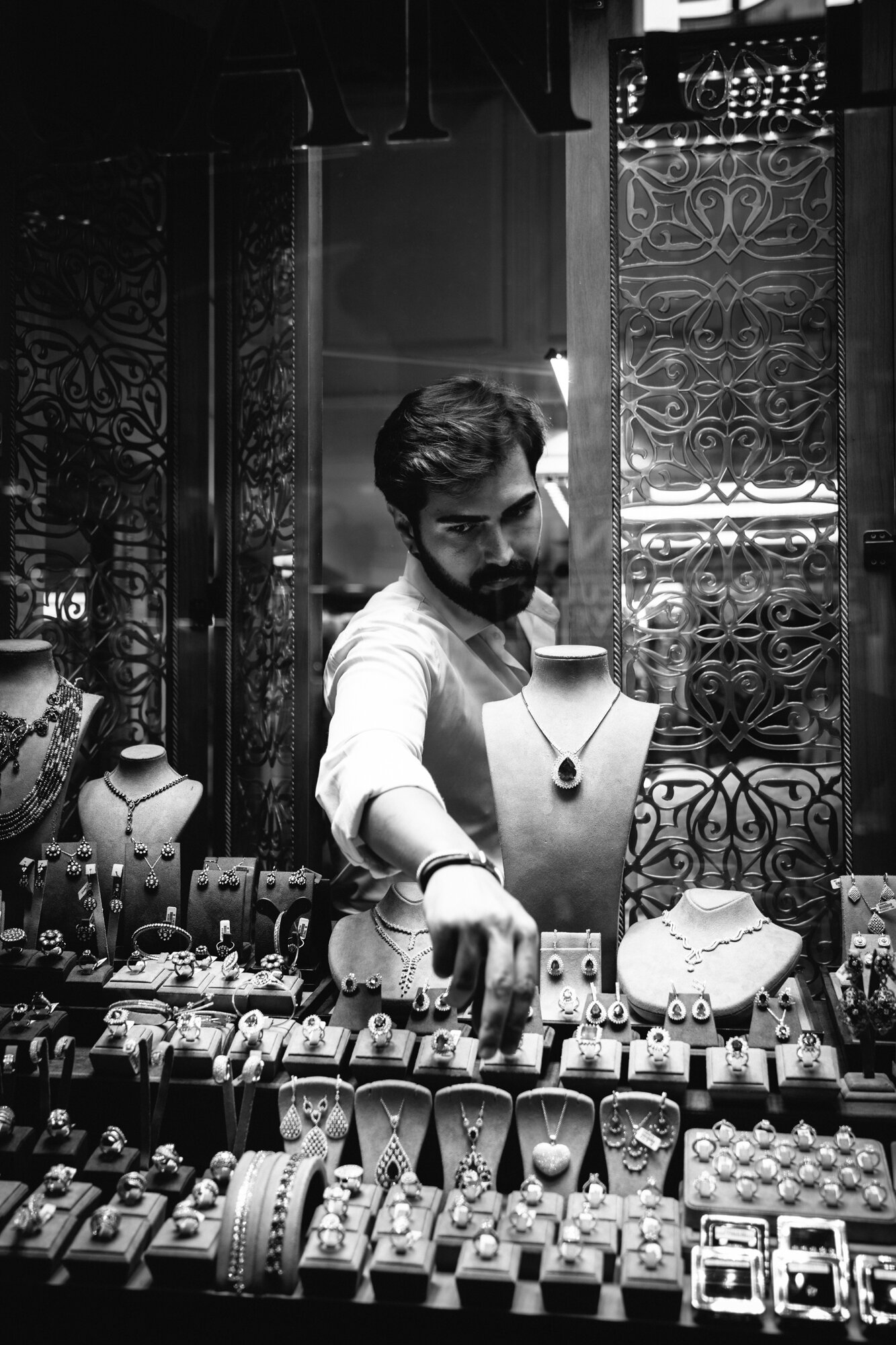
Istanbul’s Grand Bazaar
Considered one of the first shopping malls of the world, construction of the Istanbul’s Grand Bazaar began soon after the conquest of the city by the Ottoman Turks in 1453.
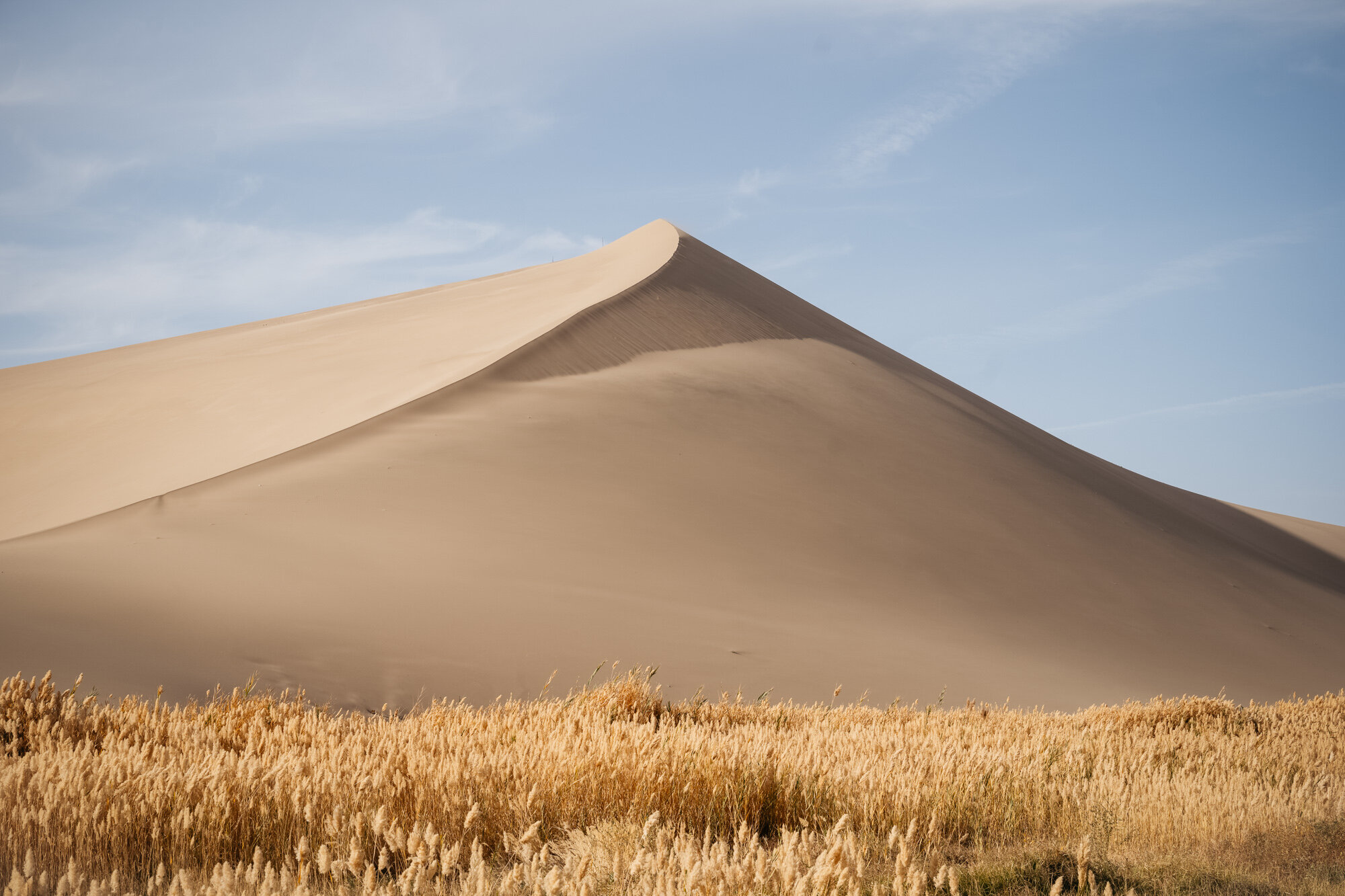
The Gobi Desert at Dunhuang
On the edge of the Gobi desert in Central China is the town of Dunhuang. The name Dunhuang means "Blazing Beacon" and refers to the beacons lit to warn of attacks by marauding nomadic tribes during ancient times.
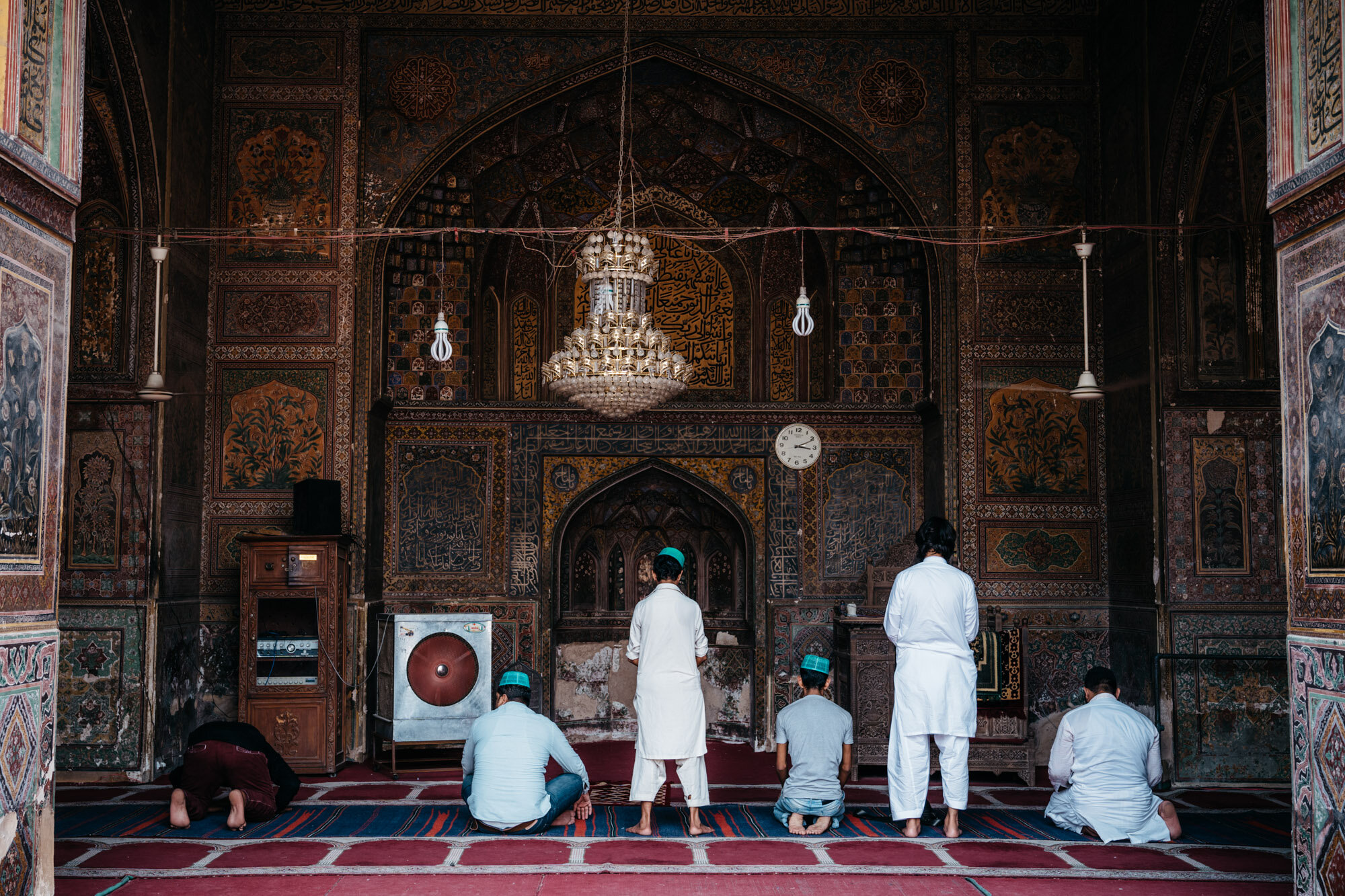
The Wazir Khan Mosque in Lahore
In the heart of the Walled City of Lahore, lies the ornately decorated Wazir Khan Mosque. It was built between 1634 and 1641 by Hakim Wazir Khan, the Subedar of Lahore, during the reign of the Mughal Emperor Shah Jahan.

The Badshahi Mosque in Lahore
Built by Emperor Aurangzeb in 1673, the Badshahi mosque remains the largest Mughal-era mosque and is the second-largest mosque in Pakistan.
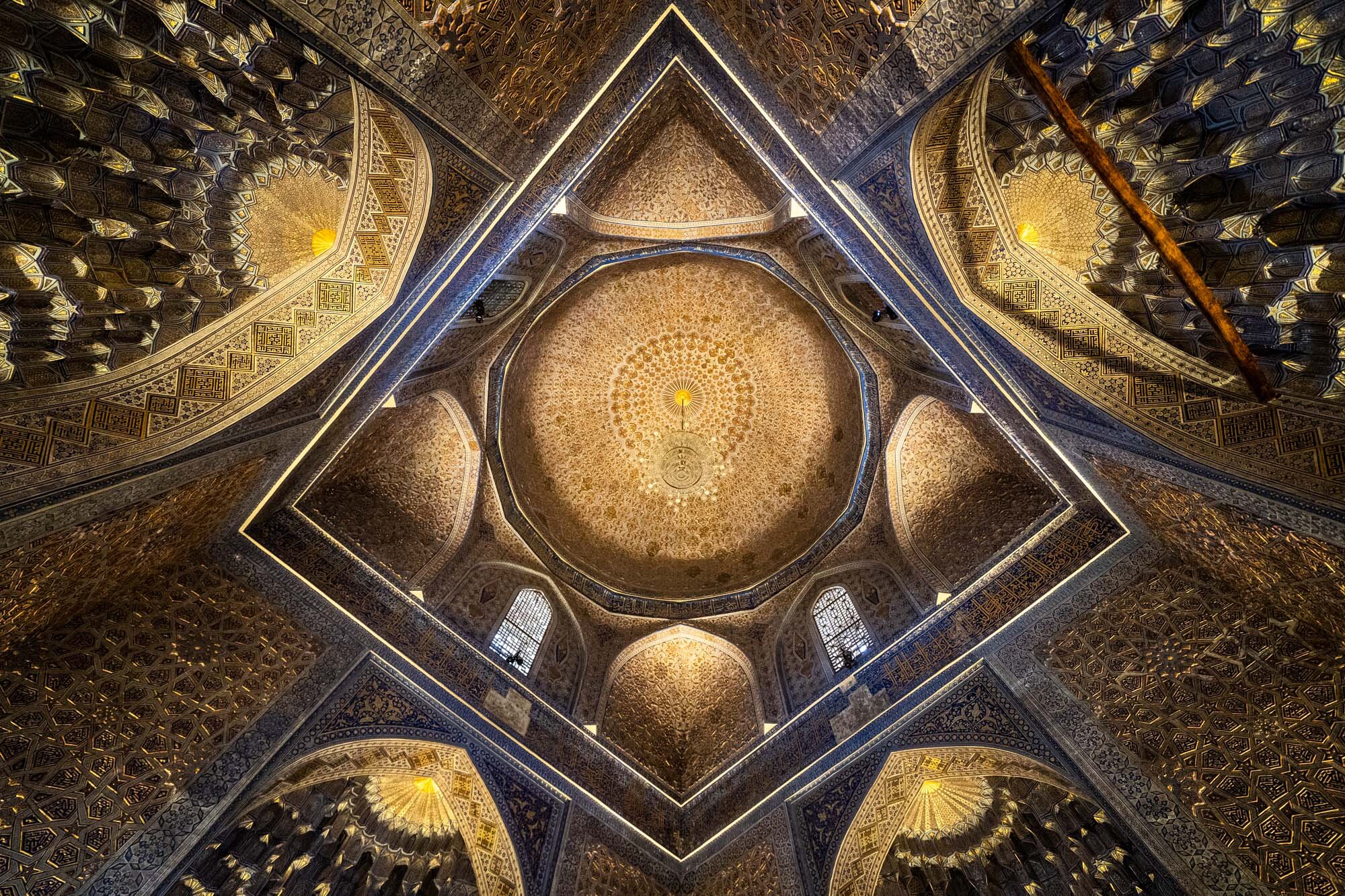
The mausoleum of Amir Timur in Samarkand
This mausoleum in Samarkand in Uzbekistan is known as Gur-e-Amir, Persian for "Tomb of the King". Inside is the final resting place of one of the greatest Mongol kings.
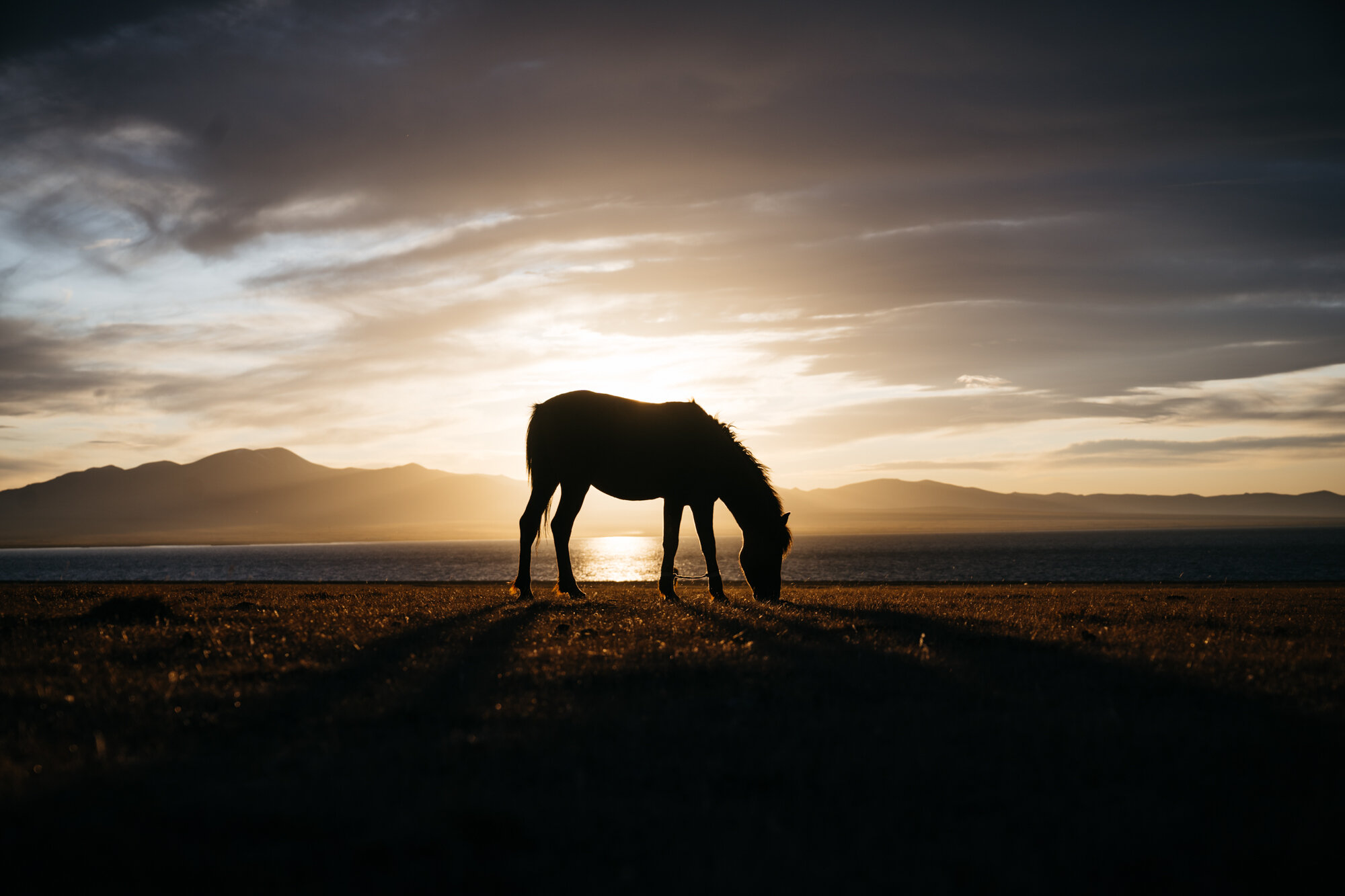
The lost world of Son Kul
A photographic journey to, above and from this remote and enigmatic lake that sits at and altitude of 3016 metres above sea level.
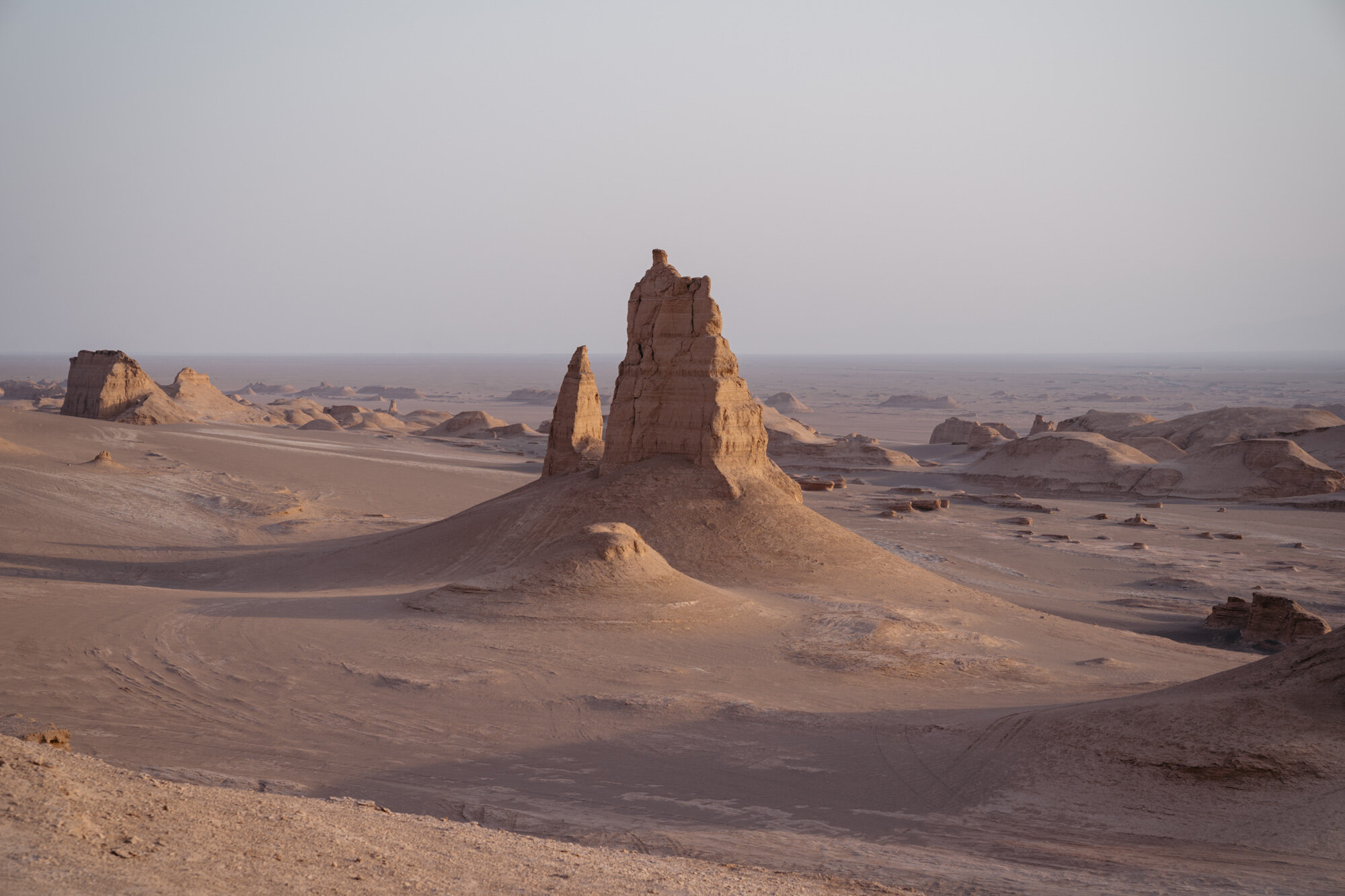
Magnificent desolation: Iran’s Lut Desert
The Lut Desert in south eastern Iran is the hottest place on earth. Where these photographs where taken, it was 55°C (131°F). Here the wind doesn’t cool you, it burns you like the air from an oven.
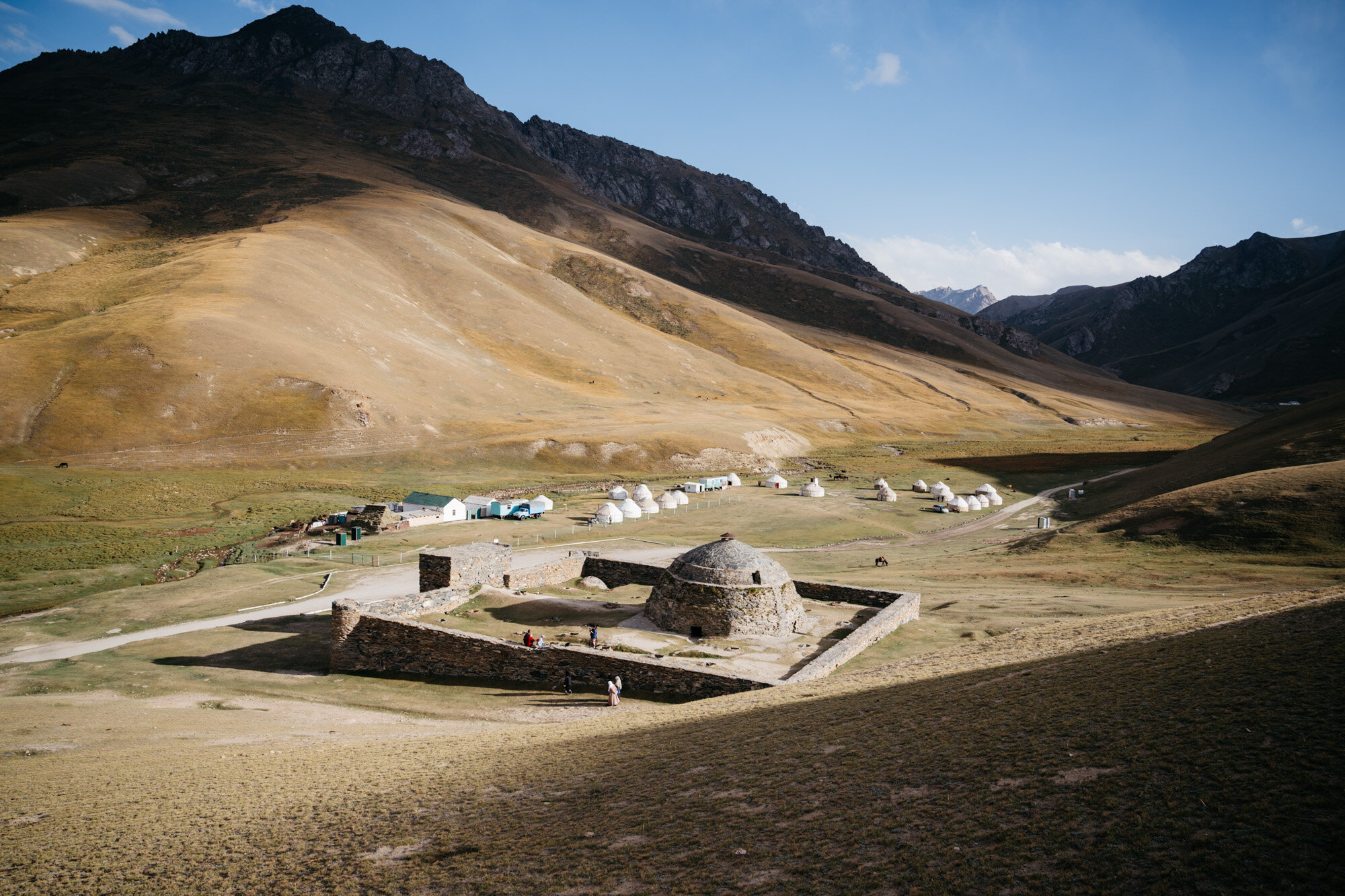
The lonely caravanserai at Tash Rabat
In a remote valley of Naryn province in eastern Kyrgyzstan, not far from the border with China, you can find the remains of a 15th century caravanserai called Tash Rabat.
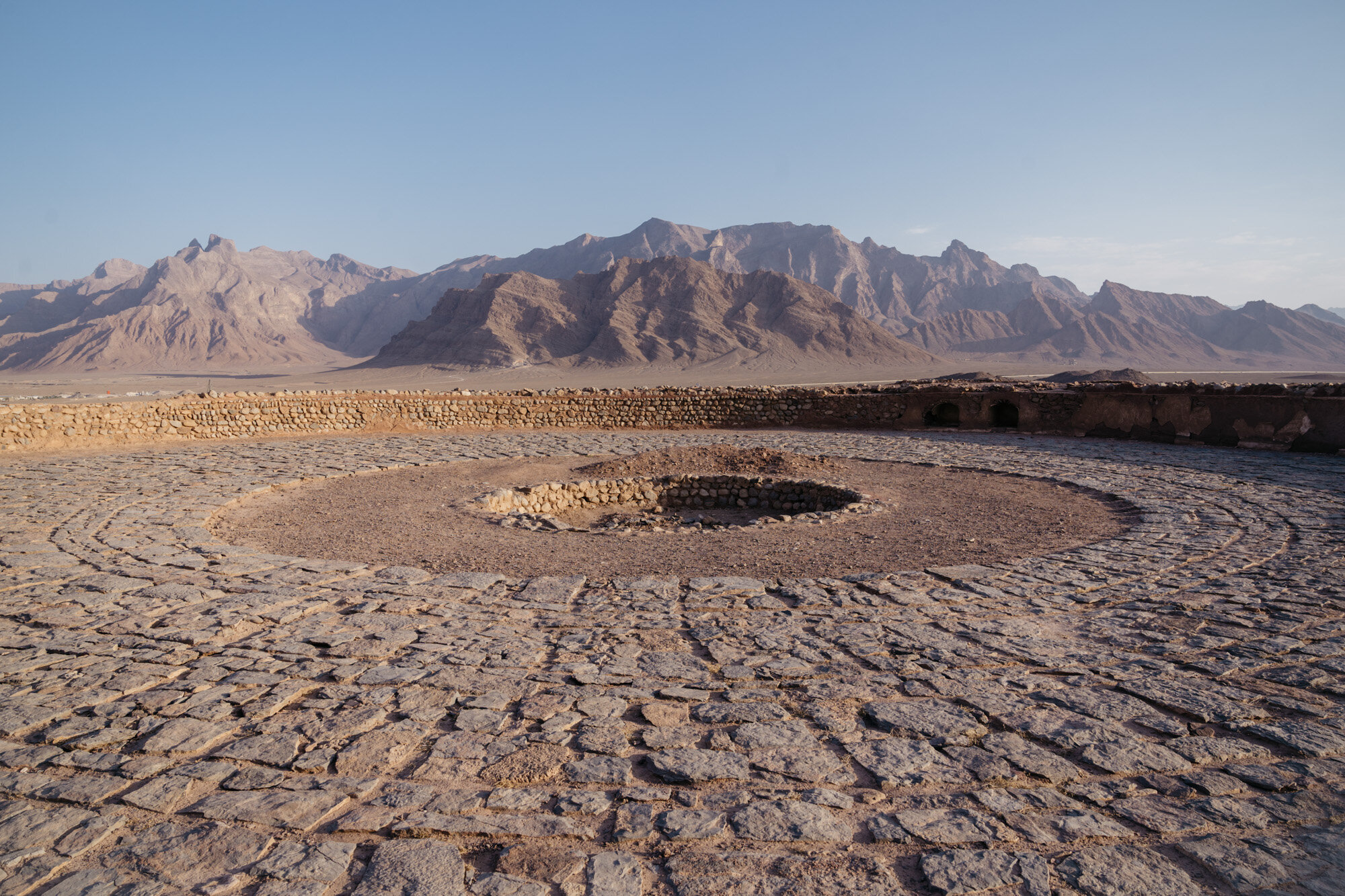
Vestiges of Zoroastrianism in Iran
Yazd is Iran’s unofficial capital of Zoroastrianism; one of the world’s oldest continuously practiced religions and Persia’s dominant religion before the the arrival of Islam in the 7th century.
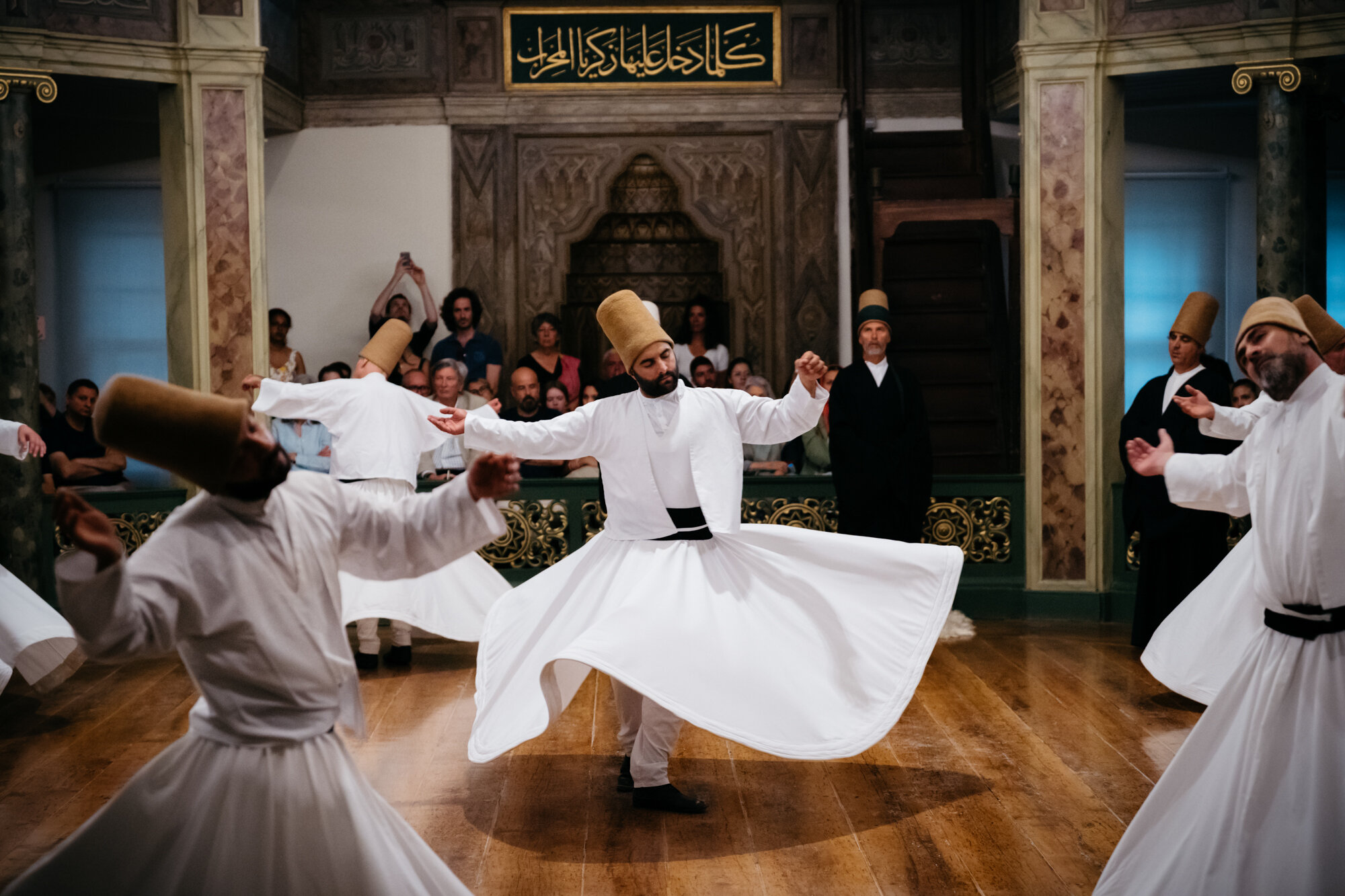
Whirling dervishes of Beyoğlu, Istanbul
A whirling dervish performance in one of Istanbul’s few remaining Sufi dervish houses.

Khaplu Palace, royal residence of Baltistan
Built in 1840, Khaplu Palace is the finest surviving example of a royal residence in Baltistan, a provincial autonomous region in Pakistan’s north east. The palace was constructed with the help of Kashmiri and Balti craftsmen and combines the local architectural style with influences from neighbouring regions including Tibet, Kashmir, Ladak and Central Asia.
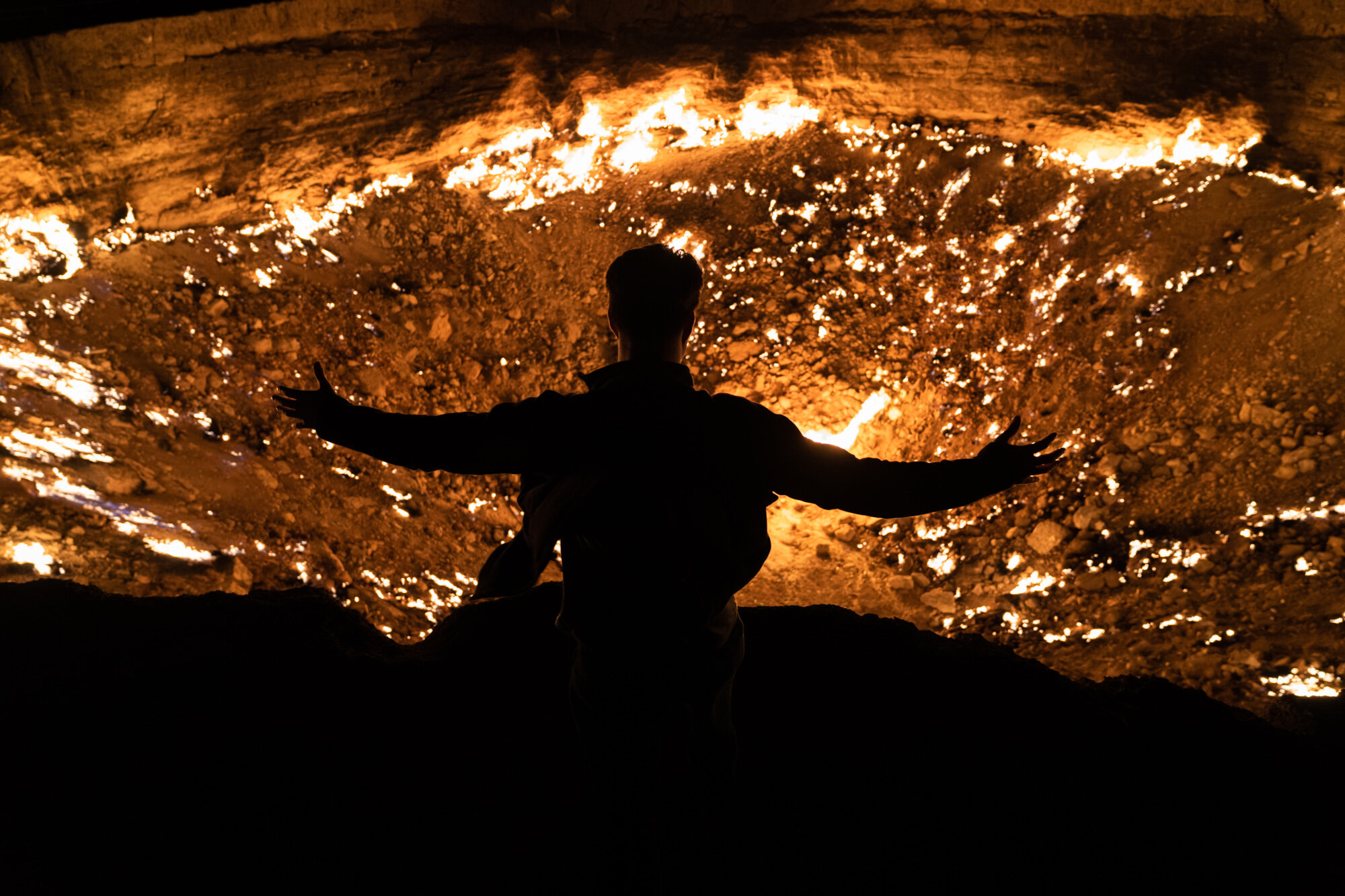
Turkmenistan’s Gates of Hell
This giant burning gas crater in the middle of the Karakum desert in Turkmenistan is known as ‘the gates of hell’! It was created in 1971 when a Soviet drilling rig accidentally punched into a massive underground natural gas cavern.